Your Squash Vines Outrun the Borer When You've Got These
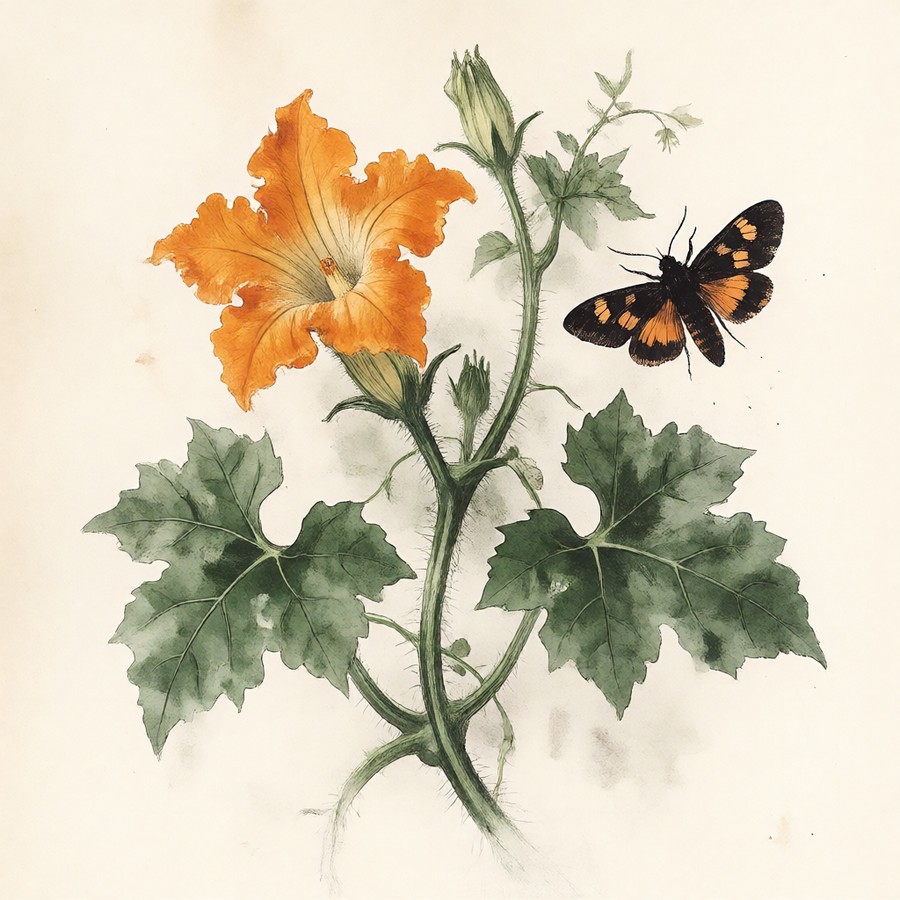
The zucchini that wilted overnight in July was murdered weeks earlier by an egg the size of a poppy seed. Beating the vine borer is a calendar war - these five fight it.
One click drops all five into your Amazon cart at today's prices. Delete what you already own before you check out — nothing is bought until you do.
The row cover, redeployed
No moth contact, no eggs, no borers
The season-extension fabric is also the definitive borer defence: covered from transplant until female flowers open, squash plants are simply unavailable during the moth's June egg-laying flight. Timing is everything - the cover comes off for pollination just as the flight wanes.
Only on beds that did NOT grow squash last year - the pupae overwinter in soil.
Yellow sticky traps
Know the week the flight begins
The borer moth is drawn to yellow, and a few sticky traps at squash height are your early-warning radar - first moth on the glue starts the countdown for covers and sprays. Flying blind is how the two-week window gets missed annually; the traps make it visible.
They monitor rather than control - the intel is the product.
Bt for the stem base
The caterpillar-only insecticide
Bt kills caterpillars that ingest it and literally nothing else - and sprayed weekly on the lower stems during the flight, it catches borer larvae in the minutes between hatching and tunnelling inside. Once they are in the stem it cannot reach them, which is why the schedule matters more than the dose.
Weekly on stem bases during flight - a fresh coat after every rain.
Fine mesh for the second sowing
July squash dodges the war entirely
The quiet cheat code: a second squash sowing in early July matures after the borer flight has ended, and under fine mesh in its youth it meets no moths at all. Gardeners who lose June zucchini and harvest September ones by the barrow figured out the calendar, not the chemistry.
Butternuts resist borers on their own - solid stems; plant them for insurance.
A hori-hori for surgery
The last resort that actually works
A wilting vine with frass at the base still has one save: slit the stem lengthwise at the entry, spear the grub, then bury the wounded section under moist soil to re-root. The hori-hori's blade does the surgery and the burying both - and then spends the rest of the year as the best weeder you own.
Check stem bases weekly in July; sawdust frass is the tell before the wilt.
All five in your Amazon cart in one click — today's prices, nothing to remember.
As an Amazon Associate, Story Thyme Farms earns from qualifying purchases, at no cost to you. It never changes what we recommend.