The illustrated growing guide
Ashwagandha
Withania somnifera
Family Solanaceae
Est. zones 2-11

The most-Googled adaptogen, and it grows like a weedy little tomato bush in any hot dry corner. Frost-dig the roots, dry, grind: homegrown ashwagandha powder. For the medicinal wing of the food forest, this is the flagship root.

From the print shop
Growing ashwagandha? Hang it.
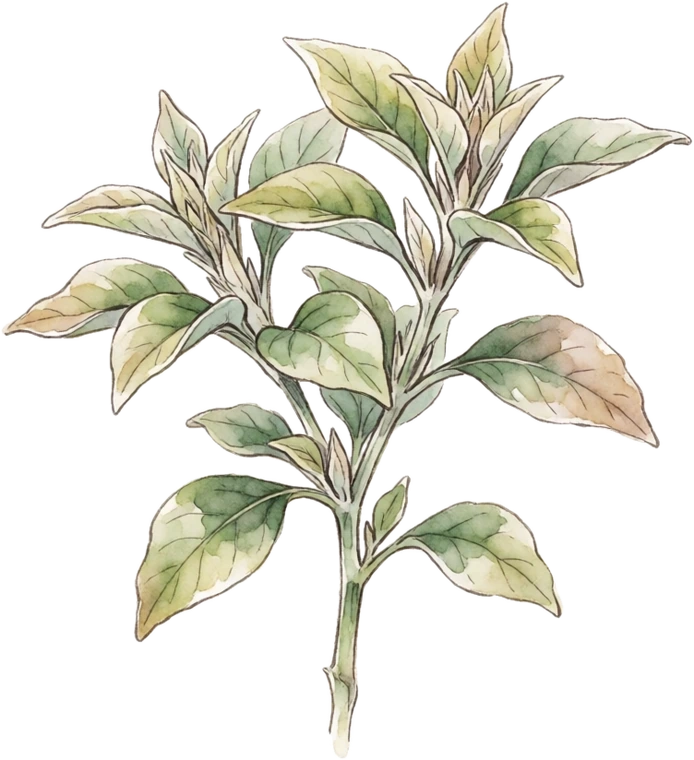
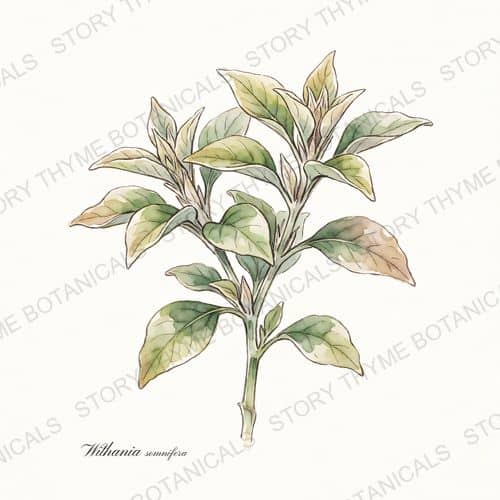
Our Medicinal Herbs collection carries ashwagandha — Withania somnifera, print Nº 13, “Ashwagandha.”
16 designsfrom $21.99white or black groundmatte poster, unframed
I
Overview
Will ashwagandha suit your garden, and what goes wrong.
Will it fruit where you are?
Enter your ZIP — we look up your USDA hardiness zone (2023 map) and check it against what ashwagandha actually needs.
Ashwagandha at a glance
Common ashwagandha problems
- Flea Beetles (nightshade tax)
- Root Rot if watered kindly
II
Growing
Light, water, soil, propagation and the season’s jobs.
How to grow ashwagandha: light, water & soil
When to spray ashwagandha
Growing season. Row cover young plants for flea beetles.
The ashwagandha growing playbook
Field-tested instructions for every job ashwagandha asks of you, compiled from university extension guidance — in the order the season brings them.
Sowing
Sow seed only once the air stays above 70F
Sow seed about 2 centimeters deep in full sun in well-drained sandy or rocky ground, waiting until air temperature is reliably above 70 degrees F. In short-season zones, start seed under cover so the plants can go out the moment that warmth arrives. This is a warm-country nightshade, and its seed sits and rots rather than germinating in cold soil. The root is the crop, and it needs the entire warm season above ground to bulk up before frost ends the year.
Planting out
Set plants 12 inches apart once frost danger has passed
Transplant into well-drained, sandy to rocky soil of acidic to neutral pH, spacing plants 12 inches apart in rows 24 inches apart. Do not set plants out while frost is still possible. Frost kills the top of this plant outright, so a seedling set out too early is simply lost. The spacing gives each plant room to drive a taproot that can reach 36 inches down, which is where the harvest actually is.
Watering
Water only after the soil has dried out
Let the soil dry between waterings and water only then. Once the plants are established they need very little irrigation, so resist the urge to keep the bed damp through summer. The deep root system finds its own moisture, and the plant does not like wet feet. Soil kept constantly damp is what invites the stem and root rot this species is prone to, and rot in the root is rot in the harvest.
What to watch for
Scout for the same pests that hit your tomatoes
Walk the planting through summer and check leaves and stems for the pests you already know from tomatoes. Check the crown and lower stem for the softening or darkening that signals stem and root rot, and pull affected plants. Ashwagandha is in the Solanaceae with tomato and potato, and it is reported to carry the same pests as tomatoes, so whatever pressure your tomato patch has this year is the pressure this crop faces.
⚠ Ashwagandha is a minor crop with essentially no pesticides carrying it on the label. Do not borrow a tomato spray for it without confirming the product's label lists this crop, and never spray an insecticide while the plant is in bloom.
Harvesting
Dig the roots after the first hard frost kills the top
Wait for the first hard frost to kill the top growth, then dig the roots rather than pulling the plant, loosening the soil wide and deep around each crown. Cut the roots free of the aerial parts, wash, and dry them for use. Frost taking the top is the signal the season's growth is finished and the root is at its fullest. The roots can run 36 inches deep or more, so pulling on the stem snaps off most of what you spent the summer growing.
⚠ This plant is toxic if eaten, including the flowers, fruits, leaves and roots, so keep the bright berries away from children and pets and do not treat the tops as food. Ashwagandha can cause dependence and can decrease the effectiveness of immunosuppressant drugs.
III
The year
What ashwagandha asks for, month by month.
The ashwagandha year, month by month
What each band means
- Bloom — flowers open — pollinators working, frost on blossoms is the danger.
The ashwagandha year as text
- Jan quiet month
- Feb quiet month
- Mar quiet month
- Apr quiet month
- May quiet month
- Jun bloom
- Jul bloom
- Aug bloom
- Sep quiet month
- Oct quiet month
- Nov quiet month
- Dec quiet month
These are the species' typical months — expect them a few weeks earlier in warm zones and later in cold ones. Watch the plant, not just the calendar.
IV
Ecology & uses
What it does for the garden, and what it is grown for.
Ashwagandha in the garden system
- Root layer annual
What ashwagandha is grown for
✓ Commonly eatenRoot is the used part; berries/leaves not for eating; avoid in pregnancy
Harvesting & storing ashwagandha
ROOTS, dug at frost after a 150+ day season — dried and powdered, the famous adaptogen.
Edibility, identification, and traditional-use notes here are general reference — not medical or veterinary advice, and not a claim that any plant treats or prevents anything. Medicinal ratings record how strongly a plant features in herbal tradition, nothing more. Never eat or dose a plant you have not positively identified. More on how to use this library.
V
Cultivars
Named varieties of ashwagandha, ruled as a catalogue.
Best ashwagandha varieties & cultivars
Standard; 'Vedic' strains
VI
Sources & plant ID
Where the care distinctions come from, and how the plant is filed.
Research basis
Sources behind this profile
No extension citations are attached to ashwagandhayet. The care figures below come from the library's own catalogue rather than a traced primary source.
Plant ID
VII
Where to buy
Third-party nurseries — not Story Thyme Farms.
Third-party nurseries, not Story Thyme Farms. Prices are theirs.
Story Thyme Farms may earn a small commission from these links, at no cost to you — it never changes what we recommend.
VIII
Questions
Ashwagandha questions, answered straight.
Do I need two ashwagandha plants to get fruit?
No — ashwagandha is self-fertile, so a single plant will set a crop. A second one usually improves yields, but it isn't required.
Is ashwagandha safe for kids and pets?
Ashwagandha is commonly eaten and isn't considered toxic, but "commonly eaten" isn't a guarantee for any particular person or animal — allergies, quantity, and which part you eat all matter. One caveat on this one: Root is the used part; berries/leaves not for eating; avoid in pregnancy. Never eat a plant you haven't positively identified, and check with a vet before letting pets or livestock graze anything new.
When do you harvest ashwagandha?
ROOTS, dug at frost after a 150+ day season — dried and powdered, the famous adaptogen.
IX
Elsewhere
Where ashwagandha sits in the library.
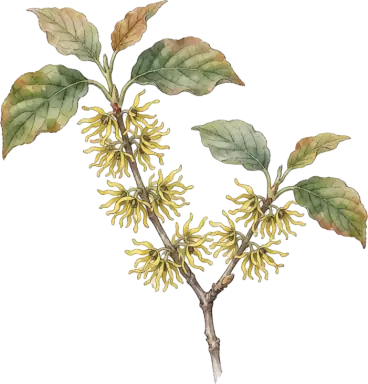
Witch Hazel
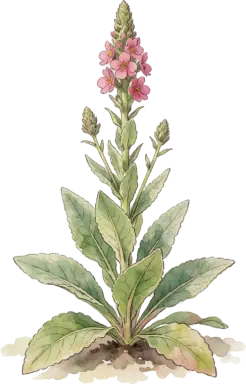
Mullein
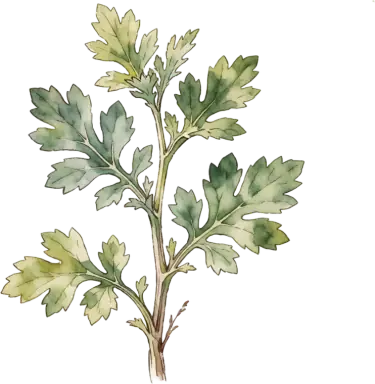
Feverfew
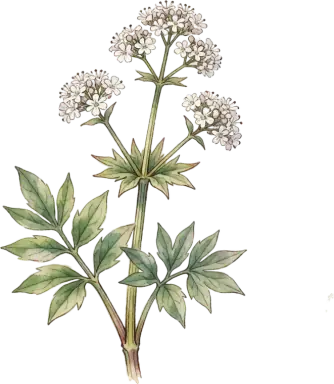
Valerian