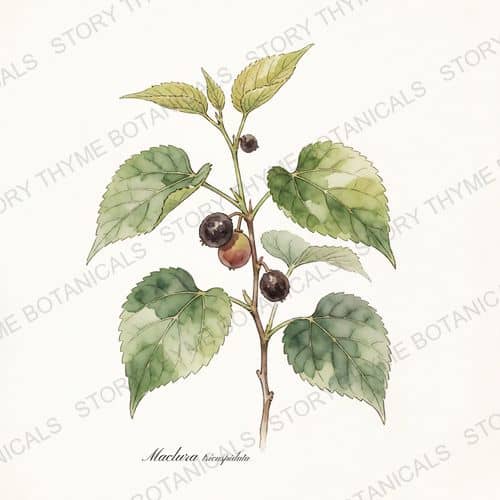
The illustrated growing guide

Che (Chinese Mulberry)

Maclura tricuspidata

Family Moraceae

Est. zones 5-9

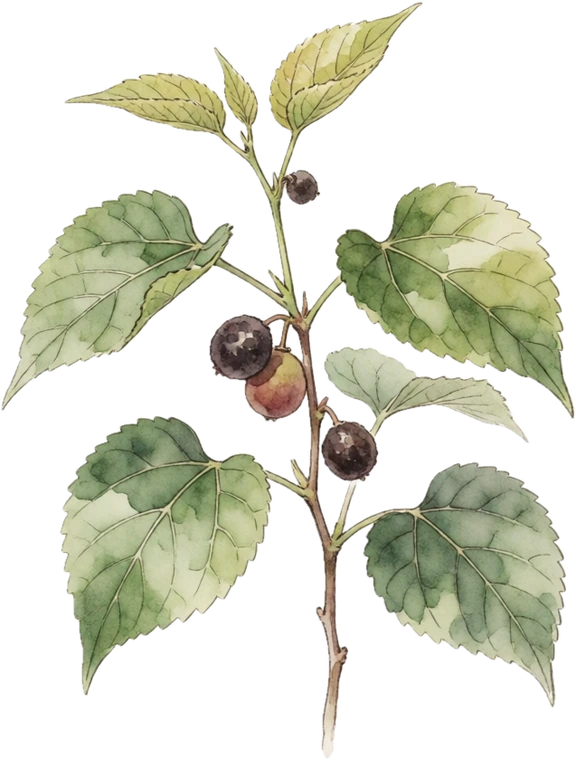
Botanical illustration of Che (Chinese Mulberry)
Tree · Maclura tricuspidata

The mulberry relative nobody's heard of: a tough, no-spray small tree with sweet seedy red fruit that ripens late when little else does. The catch is sex — most are male or female, so buy a grafted self-fertile female or you'll grow a fruitless tree. Ripens over weeks; birds share the crop.

TreeFull SunLow waterSlow-Moderate growthExcellent edibleNeeds a pollination partner

Where to buy the plant — 1 nursery

I

Overview

Will che (chinese mulberry) suit your garden, and what goes wrong.

Will it fruit where you are?

Enter your ZIP — we look up your USDA hardiness zone (2023 map) and check it against what che (chinese mulberry) actually needs.

Hardy inZones 5-9
PollinationPartner needed

Che (Chinese Mulberry) at a glance

HardinessUSDA 5–9
Mature size15-25 ft
PollinationUsually dioecious — need male + female, OR a self-fertile grafted female (buy grafted)
Chill requirementNot yet established
Bloom seasonInsignificant
Harvest seasonFall: round red maroon fruits, fig-mulberry-melon flavored, seedy
Growth rateSlow-Moderate

Common che (chinese mulberry) problems

  • Almost none
  • Almost none — a no-spray fruit
  • Poor pollination → low fruit set (plant a partner)

II

Growing

Light, water, soil, propagation and the season’s jobs.

How to grow che (chinese mulberry): light, water & soil

LightFull Sun
WaterLow once established — very drought-tough
SoilAdaptable, well-drained · pH 6.0 - 7.5
FertilizerNone needed
PruningLate Winter — Thornless when mature; remove suckers and thorny juvenile growth.
Spacing15-20 ft

How to plant & propagate che (chinese mulberry)

PropagateGrafted, or from cuttings/layering (seed won't come true)

III

The year

What che (chinese mulberry) asks for, month by month.

The che (chinese mulberry) year, month by month

MonthJanFebMarAprMayJunJulAugSepOctNovDec
Prune
Harvest

What each band means

  • Pruneshape it now — cuts heal cleanly and structure is visible.
  • Harvestpicking time — check ripeness every few days.

The che (chinese mulberry) year as text

  • Jan quiet month
  • Feb pruning
  • Mar pruning
  • Apr quiet month
  • May quiet month
  • Jun quiet month
  • Jul quiet month
  • Aug quiet month
  • Sep harvest
  • Oct harvest
  • Nov harvest
  • Dec quiet month

These are the species' typical months — expect them a few weeks earlier in warm zones and later in cold ones. Watch the plant, not just the calendar.

IV

Ecology & uses

What it does for the garden, and what it is grown for.

Che (Chinese Mulberry) in the garden system

  • Understory layer tree
AttractsBirds
MoistureUpland / dry
DeerBrowsed — protect young plants
OriginIntroduced

What che (chinese mulberry) is grown for

✓ Commonly eaten

UseFresh eating
UseLate-season fruit
UseLow-input tree
Edible value4/5

Harvesting & storing che (chinese mulberry)

Fall: round red maroon fruits, fig-mulberry-melon flavored, seedy.

Edibility, identification, and traditional-use notes here are general reference — not medical or veterinary advice, and not a claim that any plant treats or prevents anything. Medicinal ratings record how strongly a plant features in herbal tradition, nothing more. Never eat or dose a plant you have not positively identified. More on how to use this library.

V

Cultivars

Named varieties of che (chinese mulberry), ruled as a catalogue.

Best che (chinese mulberry) varieties & cultivars

4 on file

Named varieties of che (chinese mulberry) differ in winter-chill needs, ripening time, hardiness, and whether they set fruit on their own — pick one that fits your climate.

Darrow

Self-fertile
Zones5-9Size10-25 feet tall and up to 25 feet wide, depending on pruning

Sweet, compared to a fig with notes of watermelon — A seedless female selection propagated from a tree grown by USDA plant breeder Dr. George M. Darrow, sold grafted onto Osage orange rootstock so it matures into a standard tree rather than a bush. The nursery lists it as self-fertile, but the same nursery cautions that che of any variety needs sufficient summer heat to ripen fully, so zone alone does not decide whether you get fruit.

Where to buy ‘Darrow

Story Thyme Farms may earn a small commission from these links, at no cost to you — it never changes what we recommend.

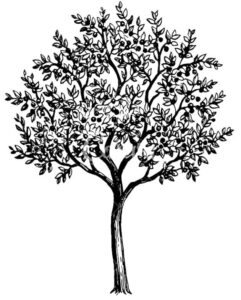
Norris · Norris Mandarin Melon Berry

Needs a pollinizer
Zones5-9Size10-30 feet tall and up to 25 feet wide, depending on pruning

Sweet, compared to a fig with notes of watermelon — Found by nurseryman Cliff England in a 1930s orchard of unusual fruit near the TVA's Norris Dam in northern Tennessee. Sold as a seedless female said to bear fruit without a pollinator, but the nursery reports that in its own plantings the tree only produced fruit when pollinated, and recommends planting a male pollinator or grafting a male branch onto the tree in zone 6 and below. Plan for a male unless you are in a reliably warm zone.

Where to buy ‘Norris

Story Thyme Farms may earn a small commission from these links, at no cost to you — it never changes what we recommend.
Hwang Kum #2

Zones5-9

Combines qualities of a mulberry and a fig with a hint of watermelon sweetness — A Korean variety carrying much larger fruit than the common che selections. The nursery rates it as having the best chance of actually ripening in zone 5, where che ripening is otherwise unreliable - ripening is inconsistent in zone 6 and much more dependable in zones 7 to 9.

Where to buy ‘Hwang Kum #2

Story Thyme Farms may earn a small commission from these links, at no cost to you — it never changes what we recommend.

Daniecki Male · Daniecki

Zones5-9

A male selection chosen for abundant pollen. It sets no fruit of its own - it exists to pollinate female che. The nursery recommends a male pollinator in zone 6 and below, where it helps fruit ripen faster and reduces fruit drop.

Where to buy ‘Daniecki Male

Story Thyme Farms may earn a small commission from these links, at no cost to you — it never changes what we recommend.

VI

Sources & plant ID

Where the care distinctions come from, and how the plant is filed.

Research basis

Sources behind this profile

No extension citations are attached to che (chinese mulberry)yet. The care figures below come from the library's own catalogue rather than a traced primary source.

Plant ID

BinomialMaclura tricuspidata
FamilyMoraceae
TypeTree · Perennial
USDA symbolCUTR2
OriginIntroduced
Invasive riskLow

VII

Where to buy

Third-party nurseries — not Story Thyme Farms.

Third-party nurseries, not Story Thyme Farms. Prices are theirs.

Story Thyme Farms may earn a small commission from these links, at no cost to you — it never changes what we recommend.

Che (Chinese Mulberry) needs a pollination partner — plant two genetically distinct trees (two different cultivars, or a cultivar plus a seedling).

VIII

Questions

Che (Chinese Mulberry) questions, answered straight.

Why isn't my che (chinese mulberry) fruiting?

Most often: it has no genetically distinct partner nearby. Che (Chinese Mulberry) can't pollinate itself — usually dioecious — need male + female, or a self-fertile grafted female (buy grafted). Plant a second, unrelated one nearby; two different cultivars, or a cultivar plus a seedling, is the classic pairing.

Is che (chinese mulberry) safe for kids and pets?

Che (Chinese Mulberry) is commonly eaten and isn't considered toxic, but "commonly eaten" isn't a guarantee for any particular person or animal — allergies, quantity, and which part you eat all matter. Never eat a plant you haven't positively identified, and check with a vet before letting pets or livestock graze anything new.

When do you harvest che (chinese mulberry)?

Fall: round red maroon fruits, fig-mulberry-melon flavored, seedy.

How do you propagate che (chinese mulberry)?

Grafted, or from cuttings/layering (seed won't come true).

IX

Elsewhere

Where che (chinese mulberry) sits in the library.