Tropical Hibiscus
- Hardiness
- 9-11
- Mature size
- 4-10 ft (pot: 3-5 ft)
- Growth rate
- Fast
- Pollination
- Hummingbirds
- Bloom season
- Dinner-plate blooms all summer — each lasts a day, plant blooms for months
Family Malvaceae
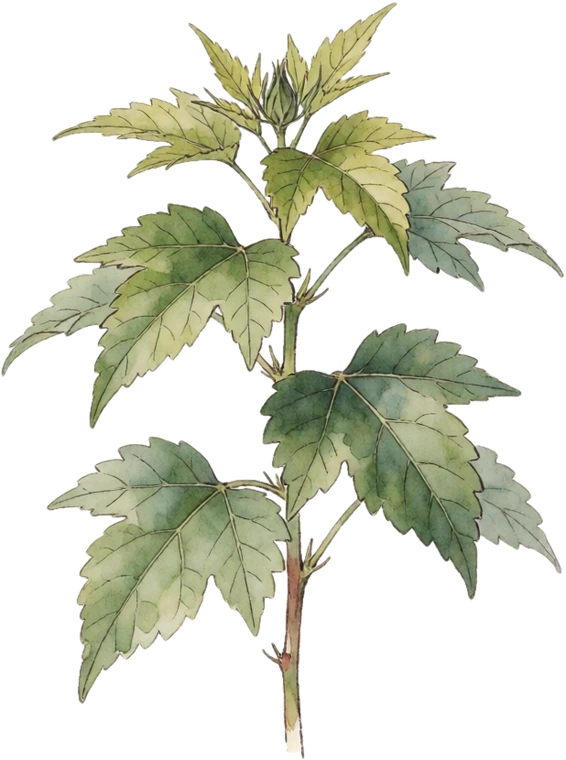
Hibiscus brings the garden its biggest, boldest summer flowers — wide silken trumpets that hummingbirds and bees treat as destinations. It comes in two personalities: tropical hibiscus, the glossy patio showpiece, and hardy hibiscus, the rose mallow that dies back and returns with dinner-plate blooms.
Which type you choose decides where it lives — across the two, hardiness spans zones 4 through 11, from a pot wintered indoors to a perennial that shrugs at northern cold. Either way the flowers are enormous and the pollinators grateful. Pick your hibiscus and give summer a headline.
 Attracts hummingbirds
 Attracts bees
Hardiness differs across the 2 hibiscuss in this guide, so pick yours and this panel answers for that one.
Tropical Hibiscus
Hibiscus · Common problems
Nothing common enough to list for hibiscus. Watch it like anything else in the garden, and check the plants growing next to it.
Hibiscus · Which one do you have?
Where these differ, the key facts above give the span across all of them. Each type’s own figures, as the catalogue records them:
Hibiscus · Growing & propagation
Hibiscus merges several types whose light, water and soil needs differ — the care groups and the growing playbook carry what applies to each.
Hibiscus · Calculators & field guides
Hibiscus · Yearly calendar
No fixed season calendar for hibiscus — its care follows conditions, not the calendar.
Hibiscus · Ecology & uses
 Attracts
 Deer
DeerProtect young plants
✓ Not known to be toxicGenerally safe (mild)
Edibility, identification, and traditional-use notes here are general reference — not medical or veterinary advice, and not a claim that any plant treats or prevents anything. Medicinal ratings record how strongly a plant features in herbal tradition, nothing more. Never eat or dose a plant you have not positively identified. More on how to use this library.
Hibiscus · Varieties & cultivars
Compare hardiness, mature size, growth habit, days to maturity and intended use in the seller’s variety description. Where this guide covers several plant types, start with the type you want to grow, then choose a variety for your season and space.
Sources & plant identity
Hardiness, size and timing vary with your cultivar, soil and climate.
University extension research, brought together with hands-on growing experience at Story Thyme Farms.
Publisher marks identify sources, not sponsorship or endorsement.
Hibiscus questions, answered straight.
Hibiscus is commonly eaten and isn't considered toxic, but "commonly eaten" isn't a guarantee for any particular person or animal — allergies, quantity, and which part you eat all matter. One caveat on this one: Generally safe (mild. Never eat a plant you haven't positively identified, and check with a vet before letting pets or livestock graze anything new.
Where hibiscus sits in the library.



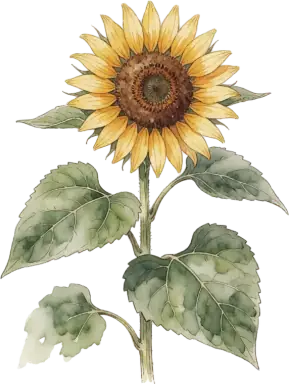 Sunflower
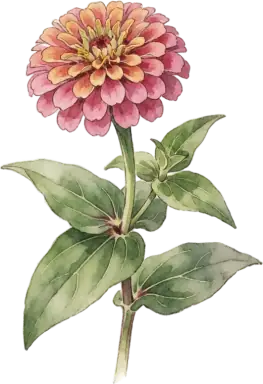 Zinnia
 Peony
Peony Daylily