The illustrated growing guide

Nectarine

Prunus persica

Family Rosaceae

Est. zones 5-9

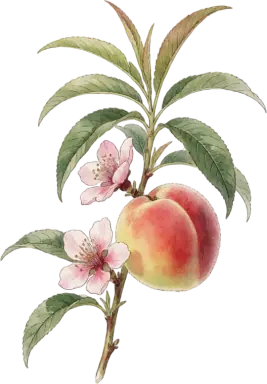
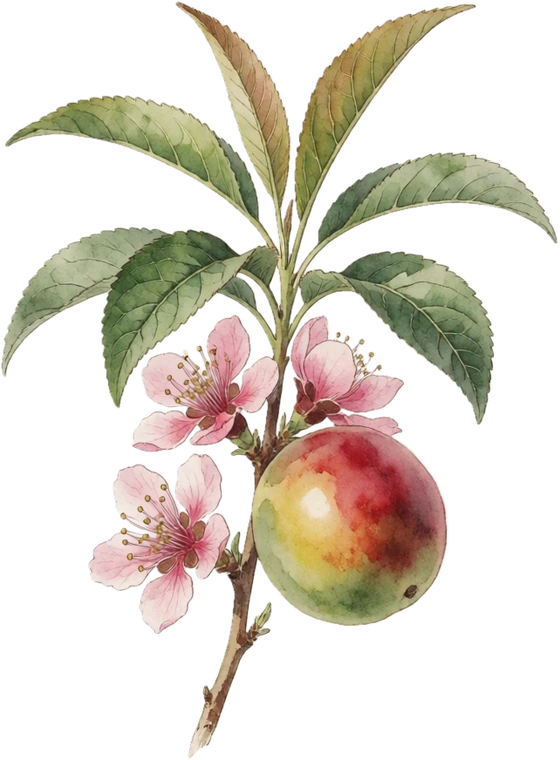
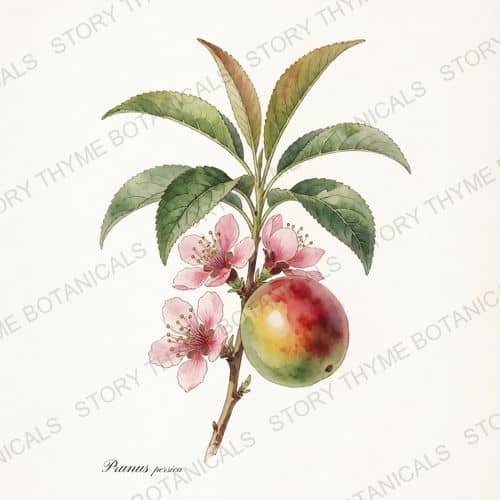
Botanical illustration of Nectarine
Tree · Prunus persica

'Fantasia' is a large, flavorful freestone. Susceptible to bacterial spot.

TreeFull SunModerate waterFast growthExcellent edibleAttracts beesAttracts butterflies600-900 winter chill (unconfirmed)

Where to buy the plant — 3 nurseries

Nectarine — a print from the Orchard Vol. 2 collection

From the print shop

Growing nectarine? Hang it.

Our Orchard Vol. 2 collection carries nectarinePrunus persica, print Nº 5, “Nectarine.”

16 designsfrom $21.99white or black groundmatte poster, unframed

Shop Orchard Vol. 2 botanical prints →

I

Overview

Will nectarine suit your garden, and what goes wrong.

Will it fruit where you are?

Enter your ZIP — we look up your USDA hardiness zone (2023 map) and check it against what nectarine actually needs.

Hardy inZones 5-9
Winter chill600-900
Unconfirmed

Commonly quoted, but we have not traced this range to a university extension trial or another primary source, and published figures for the same plant often disagree. Chill-hour requirements were only ever established by trial for a handful of commercial fruit crops; for most species the work was never funded. Treat it as a starting point and check your local extension office before you plant on it.

PollinationSelf-fertile

Nectarine at a glance

HardinessUSDA 5–9
Mature size12-15 ft
PollinationSelf-Fertile
Chill requirement600-900
Unconfirmed

Commonly quoted, but we have not traced this range to a university extension trial or another primary source, and published figures for the same plant often disagree. Chill-hour requirements were only ever established by trial for a handful of commercial fruit crops; for most species the work was never funded. Treat it as a starting point and check your local extension office before you plant on it.

Bloom seasonEarly Spring
Harvest seasonMid-Late Summer
Growth rateFast

Common nectarine problems

  • Curculio
  • Oriental Fruit Moth
  • Brown Rot (More susceptible than peaches due to lack of fuzz)
  • Leaf Curl

II

Growing

Light, water, soil, propagation and the season’s jobs.

How to grow nectarine: light, water & soil

LightFull Sun
WaterModerate
SoilWell-drained, Sandy Loam · pH 6.0 - 6.5
FertilizerEarly Spring
PruningLate Winter / Early Spring — Open Center (Vase)
Spacing15-20 ft

How to plant & propagate nectarine

PropagateGrafted, or from cuttings/layering (seed won't come true)

When to spray nectarine

Dormant season. Copper (Leaf Curl): MUST Apply before bud swell in Spring or in late Fall.

Growing season. Brown Rot: Nectarines are highly susceptible. Spray fungicide at petal fall, shuck split, and pre-harvest.

The nectarine growing playbook

Field-tested instructions for every job nectarine asks of you, compiled from university extension guidance — in the order the season brings them.

Feeding

Feed between bloom and petal fall, then again two months later

Between bloom and petal fall, spread a complete fertilizer such as 10-10-10 or 12-4-8 out under the canopy at 1 cup per year of tree age, to a maximum of 10 cups for a mature tree. Repeat about two months later. After the fruit is picked, follow with 1 cup of calcium nitrate per year of tree age, to a maximum of 4 cups. Base the rate on a soil test and on how much shoot growth the tree made last year, and take a leaf sample in July if a bearing tree looks off. The tree is spending stored reserves on flowers and the first flush of shoots right now, and nitrogen taken up in that window goes into the fruit-bearing wood rather than into soft late growth.

Measure by the cup, not the pound - a cup of granular 10-10-10 is about half a pound, so a ten-pound dose on a mature tree is roughly double the extension rate and will push soft growth or burn roots. Do not fertilize after mid-August; late nitrogen pushes tender growth that will not harden off before winter.

Thinning

Thin nectarine fruitletsMay – Jun

Thin peaches and nectarines by hand when fruit is small, leaving roughly 6-8 inches between fruit. Thinning early prevents small fruit and reduces limb breakage.

Pruning

Prune nectarine like peachFeb – Mar

Maintain an open-center tree, remove upright water sprouts and dead wood, and head back fruiting shoots to outward laterals. Nectarines bear on one-year wood and need annual pruning to keep fruiting wood close to the scaffold limbs.

Avoid heavy pruning during wet freezing weather.

Strip every mummy and cut out the blighted twigs

After the last fruit is picked, pull off every shriveled mummy still hanging in the tree, rake up the fallen and rotted fruit, and cut out twigs with sunken cankers or dead blossom spurs. Destroy the lot - do not compost it at the base of the tree. Monilinia overwinters in exactly those mummies and cankered twigs, and they are the spore source that infects next spring's blossoms and next summer's ripening fruit. Removing them is the cheapest brown rot control there is, and it lowers how much you have to spray next year.

Spraying

Peach leaf curl: one dormant copper spray, before buds swell

Once every leaf has dropped, spray the whole tree - every twig, bud and branch - with a fixed copper fungicide such as copper octanoate or copper ammonium, or with chlorothalonil as a non-copper rotation. Add 1 percent horticultural oil to a copper spray to help it stick. In high-rainfall areas repeat in late winter before the buds swell. Taphrina deformans overwinters as a film of spores on the bud scales and twigs and infects the new leaves as they push, needing only wetness for about 12 hours below 61F. The fungus is inside the leaf before you ever see the puckered red tissue, so the only spray that works is the one already on the bark when the bud opens.

Do not apply copper once bloom has begun. Fungicides applied during the growing season will not work and spraying after curled leaves appear cannot reverse the damage - wait for the next dormant season.

Delayed-dormant oil at bud swell for scale, mites and twig borer

When the buds have begun to swell but before any flower opens, spray horticultural oil, with spinosad added if peach twig borer has damaged shoots in past years. Cover the rough bark and crotches where the larvae shelter. Peach twig borer overwinters as a tiny larva in a hibernaculum tucked in the bark and crawls out just before and during bloom to tunnel into new shoots. Oil at bud swell smothers those larvae along with overwintering mites and scale, before the tree is in flower and off limits to spraying.

Apply before bud break, never once flowers are open - spinosad is toxic to bees for several hours after application while it is still wet.

Peach twig borer: spinosad at petal fall, late in the day

As the last petals drop, spray spinosad to cover the shoot tips where the young larvae are boring in. Apply in the late afternoon or evening. The overwintered larvae leave their bark shelters during bloom and petal fall and burrow into the tender new shoots, flagging and killing them; once they are inside the shoot no spray reaches them, so petal fall is the one window when the larvae are exposed and the bees have gone.

Spinosad is toxic to honey bees for several hours after application until the spray dries - apply in the late afternoon when bees are no longer foraging, and never during bloom.

Brown rot: start cover sprays about three weeks before harvest

When the fruit first takes on color, roughly three weeks out from picking, begin fungicide sprays on a 7 to 10 day schedule and continue to harvest. Captan 50WP, myclobutanil and sulfur are the home-garden options; rotate between them rather than leaning on one. Early-ripening varieties need fewer rounds than late ones. The two to four weeks before harvest are the most susceptible period of the whole season - as sugar rises the fruit loses its resistance, and Monilinia spores blowing off overwintered mummies turn a bruised or insect-punctured fruit to rot in two to five days.

Captan has a 0-day PHI and a 24-hour re-entry interval on peach and nectarine. These fungicides are preventive only - they cannot protect fruit that is already cracked or insect-injured. Do not spray sulfur above 90F or it will burn the foliage.

Harvesting

Pick firm-ripe, and read the background color not the blush

Ignore the red blush and look at the background skin between it - pick when that ground color has turned from green to yellow, or to a pale greenish-white on white-fleshed varieties. Take the fruit while it is still firm rather than soft, and taste one to calibrate. Clingstone types come away from the spur easily when ready. The red blush colors up long before the fruit is ripe and tells you nothing; the background color is what tracks actual maturity, and fruit left until soft on the tree bruises on the way to the kitchen and invites brown rot.

III

The year

What nectarine asks for, month by month.

The nectarine year, month by month

MonthJanFebMarAprMayJunJulAugSepOctNovDec
Bloom
Prune
Harvest

What each band means

  • Bloomflowers open — pollinators working, frost on blossoms is the danger.
  • Pruneshape it now — cuts heal cleanly and structure is visible.
  • Harvestpicking time — check ripeness every few days.

The nectarine year as text

  • Jan quiet month
  • Feb pruning
  • Mar bloom, pruning
  • Apr bloom, pruning
  • May quiet month
  • Jun quiet month
  • Jul quiet month
  • Aug harvest
  • Sep quiet month
  • Oct quiet month
  • Nov quiet month
  • Dec quiet month

These are the species' typical months — expect them a few weeks earlier in warm zones and later in cold ones. Watch the plant, not just the calendar.

IV

Ecology & uses

What it does for the garden, and what it is grown for.

Nectarine in the garden system

  • Understory layer tree
  • Keystone: Keystone — hosts 340-450+ caterpillar species
AttractsBees, Butterflies
MoistureFacultative / average
DeerBrowsed — protect young plants
OriginIntroduced

What nectarine is grown for

! Some parts toxic — see notesPits toxic if crushed

UseFresh
UseBaking
UseCanning
Edible value4/5

Harvesting & storing nectarine

Mid-Late Summer.

Edibility, identification, and traditional-use notes here are general reference — not medical or veterinary advice, and not a claim that any plant treats or prevents anything. Medicinal ratings record how strongly a plant features in herbal tradition, nothing more. Never eat or dose a plant you have not positively identified. More on how to use this library.

V

Cultivars

Named varieties of nectarine, ruled as a catalogue.

Best nectarine varieties & cultivars

16 on file

Named varieties of nectarine differ in winter-chill needs, ripening time, hardiness, and whether they set fruit on their own — pick one that fits your climate.

Fantasia

Self-fertile
Chill500–600 hrsRipensLate July-AugustZones5-9DiseasemoderateSizestandard; semi-dwarf on rootstock

large yellow freestone, sweet and rich when fully ripe — A widely planted home yellow freestone nectarine, reliable and self-fertile with a moderate chill need that suits most temperate gardens.

Where to buy ‘Fantasiaverified

Story Thyme Farms may earn a small commission from these links, at no cost to you — it never changes what we recommend.

Hardired

Self-fertile
Chill700–900 hrsRipensAugustZones5-8Diseasegood (resists bacterial spot and brown rot)Sizestandard; often sold semi-dwarf

yellow freestone, firm and juicy, good fresh — Canadian-bred (Harrow, Ontario) for cold climates and one of the most disease-resistant nectarines; a strong choice where brown rot and bacterial spot are problems. Its high chill need (~800 hrs) makes it unsuitable for the low-chill South.

Where to buy ‘Hardired

Story Thyme Farms may earn a small commission from these links, at no cost to you — it never changes what we recommend.

Mericrest

Self-fertile
Chill800–900 hrsRipensMid-AugustZones4-8Diseasegood (fairly brown-rot tolerant)Sizestandard; semi-dwarf on rootstock

yellow freestone, tangy-sweet rich flavor — Bred at the University of New Hampshire and hardy to about -28F, this is a go-to nectarine for northern growers with cold winters.

Where to buy ‘Mericrest

Story Thyme Farms may earn a small commission from these links, at no cost to you — it never changes what we recommend.

Sunglo

Self-fertile
Chill650–750 hrsRipensEarly AugustZones5-8DiseasemoderateSizestandard; semi-dwarf on rootstock

large yellow freestone, sweet and juicy — A vigorous, productive yellow freestone nectarine reliable in zones 5-8; chill-hour figures vary by source (roughly 500-850).

Where to buy ‘Sungloverified

Story Thyme Farms may earn a small commission from these links, at no cost to you — it never changes what we recommend.

Redgold · Red Gold

Self-fertile
Chill650–850 hrsRipensLate AugustZones5-8Diseasegood (crack-resistant skin)Sizestandard; semi-dwarf on rootstock

large yellow freestone, sweet, stores and ships well — A late-ripening, crack-resistant yellow nectarine that extends the harvest and holds up well after picking; ripens about two weeks before Elberta.

Where to buy ‘Redgold

Story Thyme Farms may earn a small commission from these links, at no cost to you — it never changes what we recommend.

Snow Queen

Self-fertile
Chill250–300 hrsRipensLate June-early JulyZones6-9DiseasemoderateSizestandard; semi-dwarf on rootstock

white freestone, very sweet and juicy with balanced acidity — An early, low-chill white nectarine and repeat taste-test winner, ideal for mild-winter gardens where high-chill types will not fruit.

Where to buy ‘Snow Queen

Story Thyme Farms may earn a small commission from these links, at no cost to you — it never changes what we recommend.

Panamint

Self-fertile
Chill250–300 hrsRipensLate July-AugustZones6-9DiseasemoderateSizestandard; semi-dwarf on rootstock

red-skinned yellow freestone, aromatic with rich acid-sugar balance — A low-chill (~250 hrs) favorite for warm-winter climates like Southern California; self-fertile, though a second variety improves set and fruit size.

Where to buy ‘Panamint

Story Thyme Farms may earn a small commission from these links, at no cost to you — it never changes what we recommend.

Arctic Star

Self-fertile
Chill300–400 hrsRipensLate JuneZones6-9DiseasemoderateSizestandard; semi-dwarf on rootstock

white freestone, very early, exceptionally sweet and low-acid — An early low-chill white nectarine from the Zaiger Arctic series (~300 chill hrs), top-rated in taste tests for warm-region growers.

Where to buy ‘Arctic Star

Story Thyme Farms may earn a small commission from these links, at no cost to you — it never changes what we recommend.

Necta Zee · Nectarzee

Self-fertile
Chill300–400 hrsRipensJulyZones6-9DiseasemoderateSizegenetic dwarf, 5-6 ft

yellow freestone, sweet and flavorful — A true genetic-dwarf nectarine (~400 chill hrs or less) that fruits well in a large container or small yard; a self-fertile option for tight spaces.

Where to buy ‘Necta Zeeverified

Story Thyme Farms may earn a small commission from these links, at no cost to you — it never changes what we recommend.

Flavortop

Self-fertile
Chill850–850 hrsRipensMid JulyZones5-9

Yellow freestone. Auburn warns it freezes out too easily in north Alabama, so it wants a site without late frosts.

Where to buy ‘Flavortopverified

Story Thyme Farms may earn a small commission from these links, at no cost to you — it never changes what we recommend.

Summer Beaut

Self-fertile
Chill800–800 hrsRipensLate JulyZones5-9

Auburn lists it as cold hardy and patented, ripening about 27 days before Elberta. Yellow freestone.

Where to buy ‘Summer Beaut

Story Thyme Farms may earn a small commission from these links, at no cost to you — it never changes what we recommend.

Pacific Pride

Self-fertile
RipensAugustZones5-9DiseasePeach leaf curl

The one nectarine on Utah's table listed as resistant to peach leaf curl, and hardy to -20F. White-fleshed freestone.

Where to buy ‘Pacific Pride

Story Thyme Farms may earn a small commission from these links, at no cost to you — it never changes what we recommend.

Harko

Self-fertile
RipensAugustZones5-9

Yellow freestone listed for zones 5 to 9 in Utah's guide.

Where to buy ‘Harko

Story Thyme Farms may earn a small commission from these links, at no cost to you — it never changes what we recommend.

Gold Mine

Self-fertile
RipensMid AugustZones5-9

White-fleshed freestone, hardy to -20F per Utah's guide. Judge ripeness by the background color turning pale greenish-white, not by blush.

Where to buy ‘Gold Mine

Story Thyme Farms may earn a small commission from these links, at no cost to you — it never changes what we recommend.

Independence

Self-fertile
RipensJulyZones5-9

Yellow freestone, hardy to -15F per Utah's guide - the least hardy of that group, so it wants a warmer site.

Where to buy ‘Independence

Story Thyme Farms may earn a small commission from these links, at no cost to you — it never changes what we recommend.

VI

Sources & plant ID

Where the care distinctions come from, and how the plant is filed.

Research basis

Sources behind this profile

No extension citations are attached to nectarineyet. The care figures below come from the library's own catalogue rather than a traced primary source.

Plant ID

BinomialPrunus persica
FamilyRosaceae
TypeTree · Perennial
USDA symbolPRPE3
OriginIntroduced
Invasive riskLow

VII

Where to buy

Third-party nurseries — not Story Thyme Farms.

Third-party nurseries, not Story Thyme Farms. Prices are theirs.

Story Thyme Farms may earn a small commission from these links, at no cost to you — it never changes what we recommend.

VIII

Questions

Nectarine questions, answered straight.

Do I need two nectarine plants to get fruit?

No — nectarine is self-fertile, so a single plant will set a crop. A second one usually improves yields, but it isn't required.

Will nectarine fruit in a warm-winter climate?

Nectarine needs roughly 600-900 hours of winter chill (hours between 32–45°F) to break dormancy and set fruit. That range is commonly quoted but we have not traced it to a university extension trial, and published figures for this plant disagree — treat it as a starting point and check your local extension office. Mild-winter growers should count their chill hours before planting.

Is nectarine safe for kids and pets?

With care. Pits toxic if crushed Site it accordingly if children or pets roam the garden. This is general reference, not medical or veterinary advice — call a vet or poison control if something has actually been eaten.

When do you harvest nectarine?

Mid-Late Summer.

IX

Elsewhere

Where nectarine sits in the library.