Notes from the rows — what is coming in, what was lost, and what is being built.
What's coming in
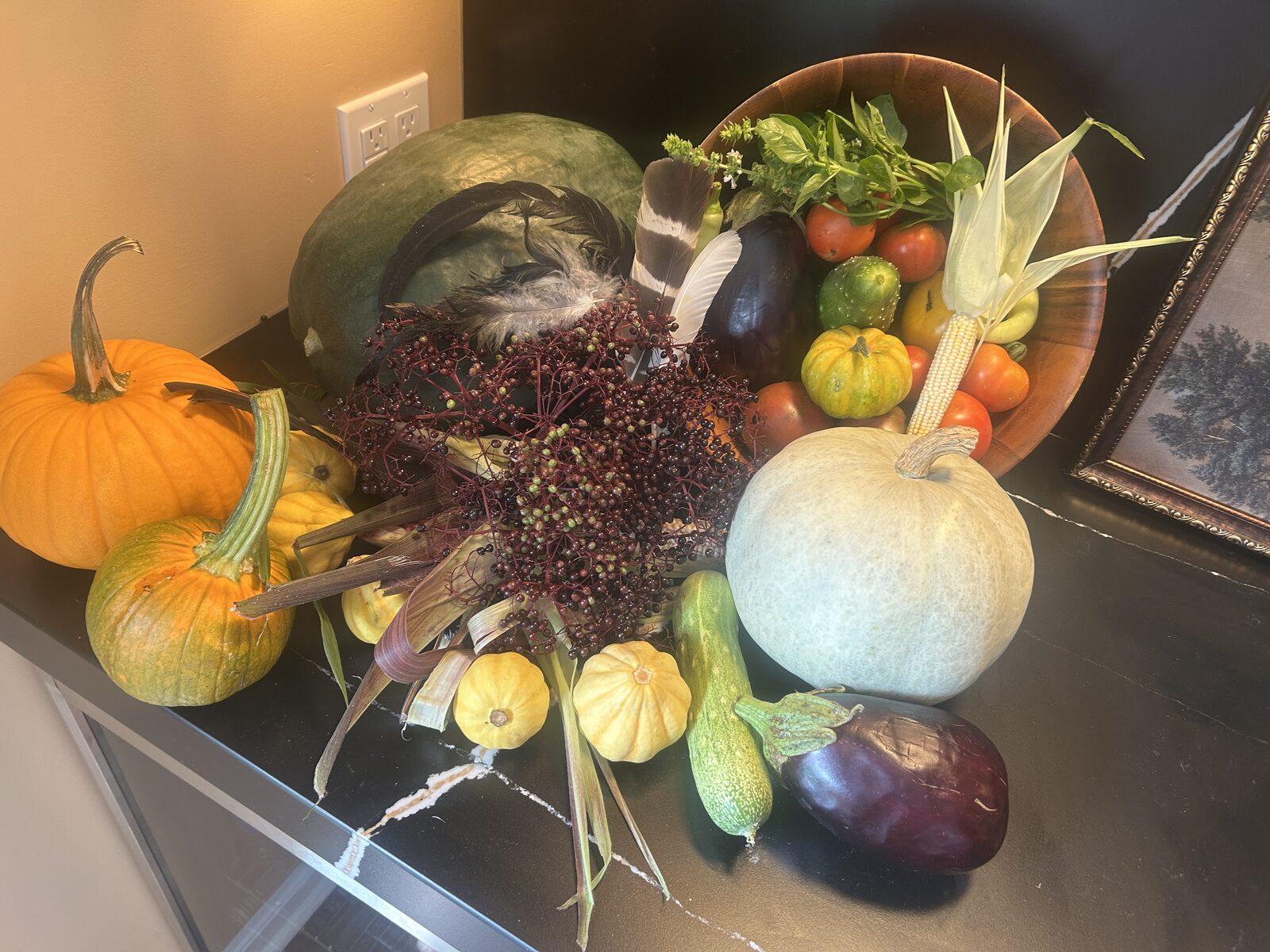
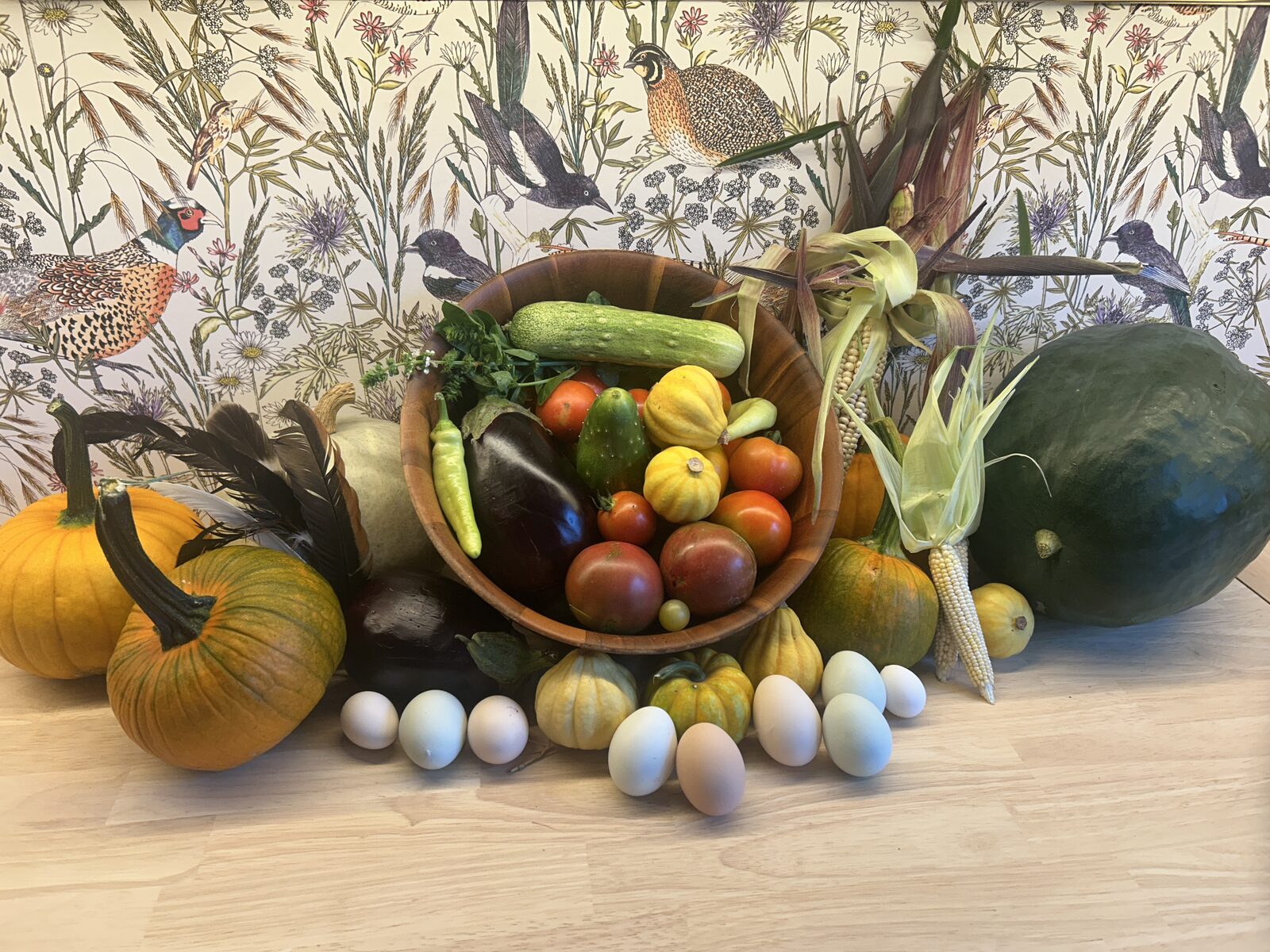
Tomatoes on the counter, the first figs on the tree, and the squash trying to leave the property.
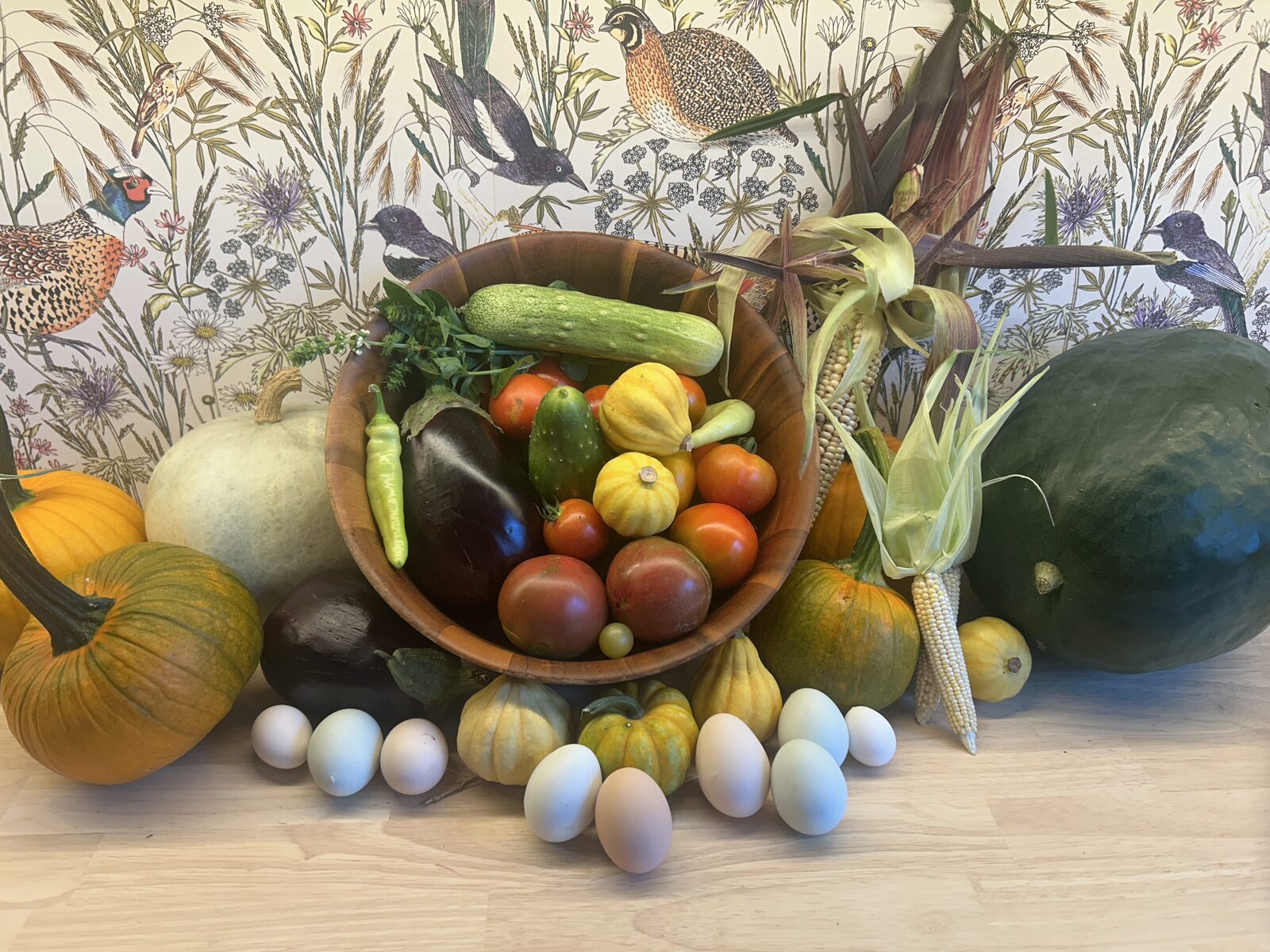
The tomatoes have been coming in steadily — enough that the kitchen has stopped being polite about it. That is the point in the season where the annual beds start paying for themselves.
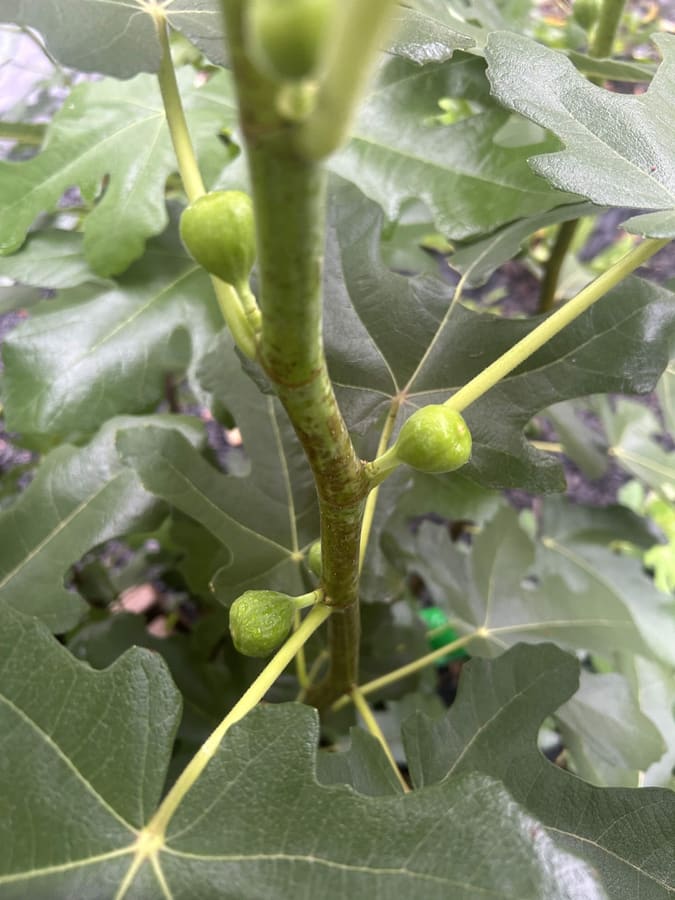
The figs are the ones I keep going back out to look at. This is the first real crop off them, and in zone 6 that is not a given; a fig here is a plant you talk into staying. They are sizing up well.
The pumpkin vines have gone from tidy to unreasonable in about three weeks, which is exactly what you want from them, and the watermelons are coming along under their netting. Neither of those is a plant that does anything quietly.
The first fig cropPumpkin vines, getting hugeWatermelon under nettingCorn in the husk
Multiplying next year's crop
Walking onions and strawberry runners lifted and replanted through the food forest — free plants, if you count the walking around.
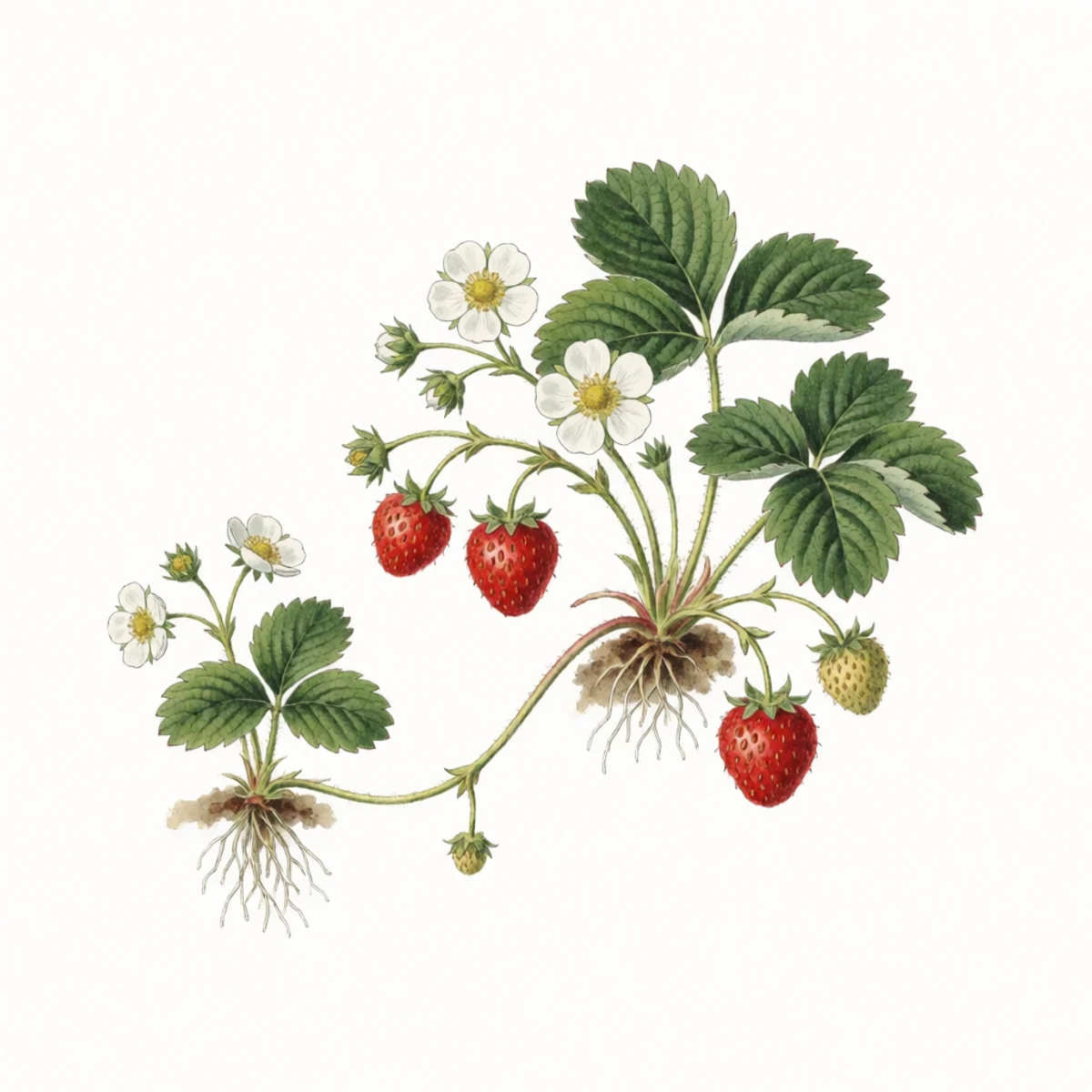
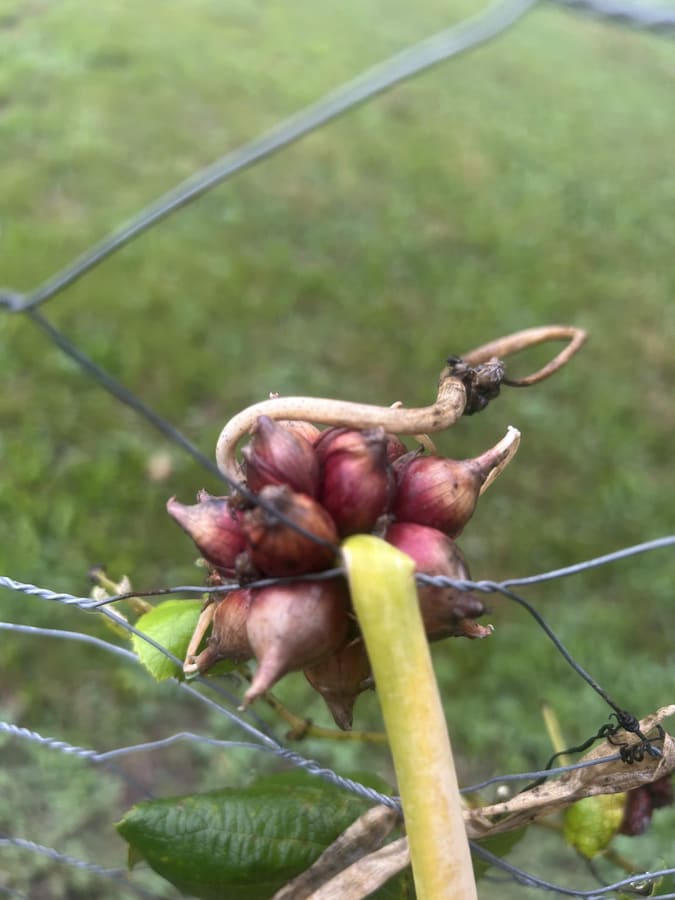
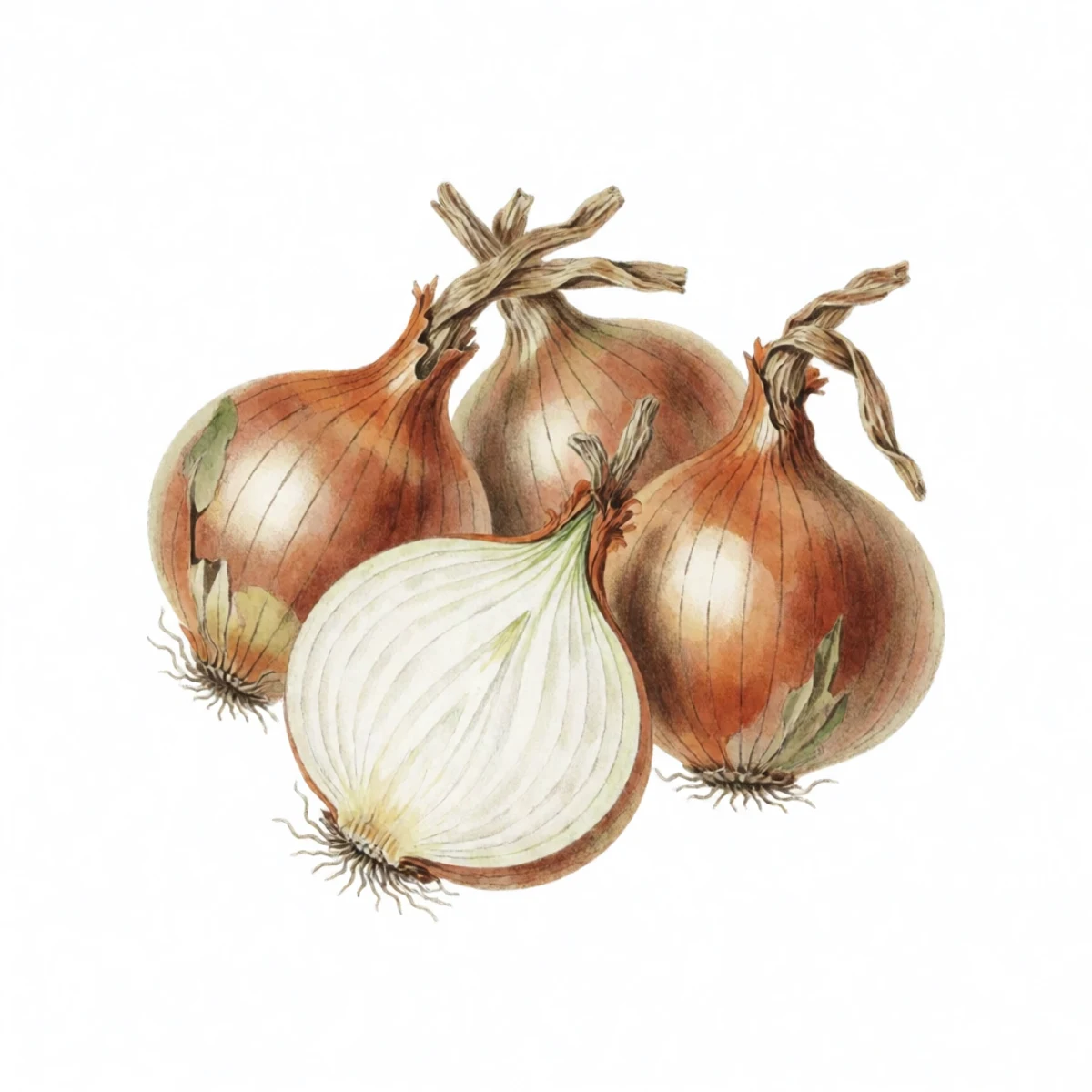
The walking onions did what walking onions do: set a crown of bulbils on top, bowed over, and asked to be planted somewhere else. So they were. Those went out across the food forest along with the strawberry runners, which had thrown enough daughters to fill a lot of gaps.
This is the cheapest expansion there is. Nothing bought, nothing shipped — the beds we already have making the beds we will have. Next year's crop is mostly a matter of where I put my feet this month.
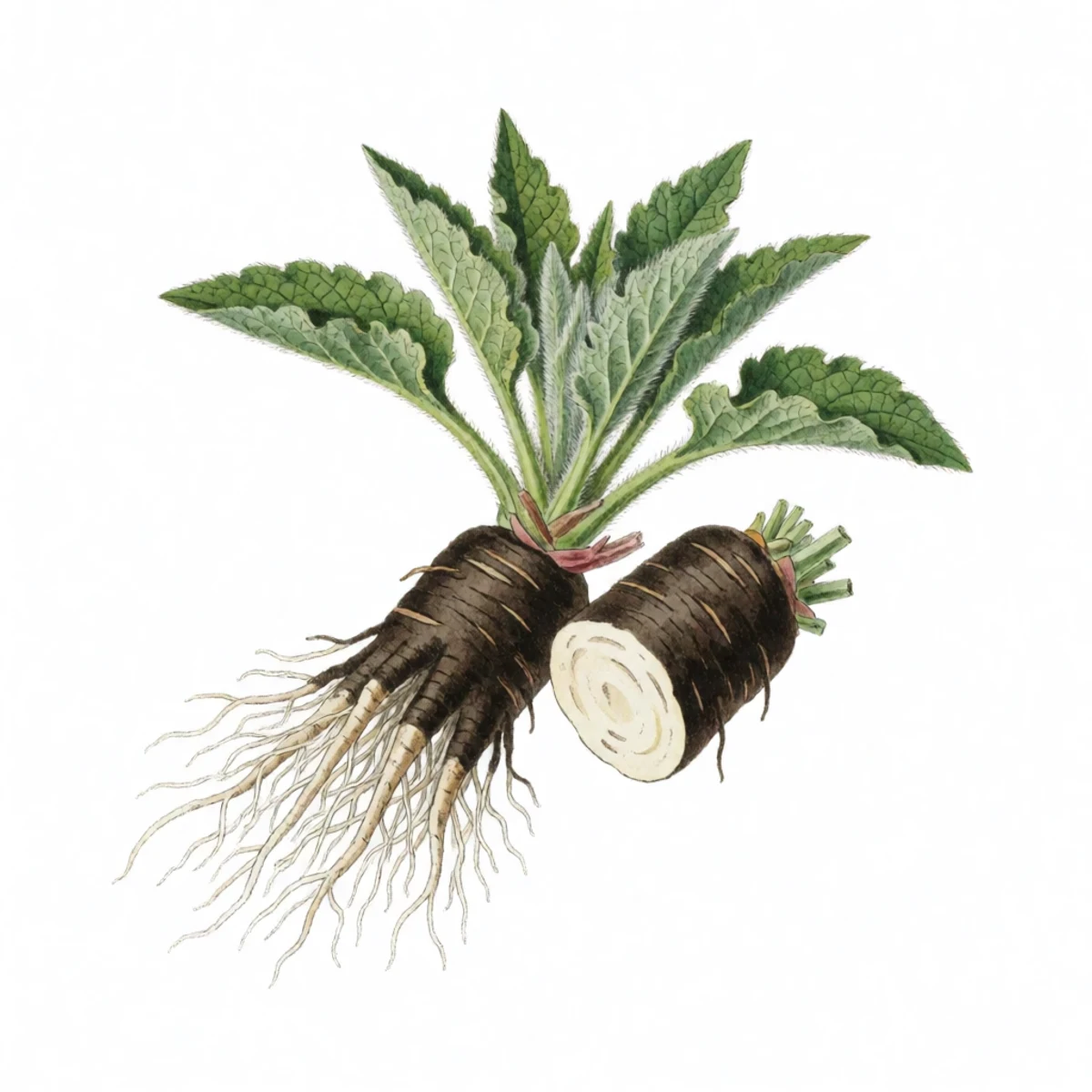
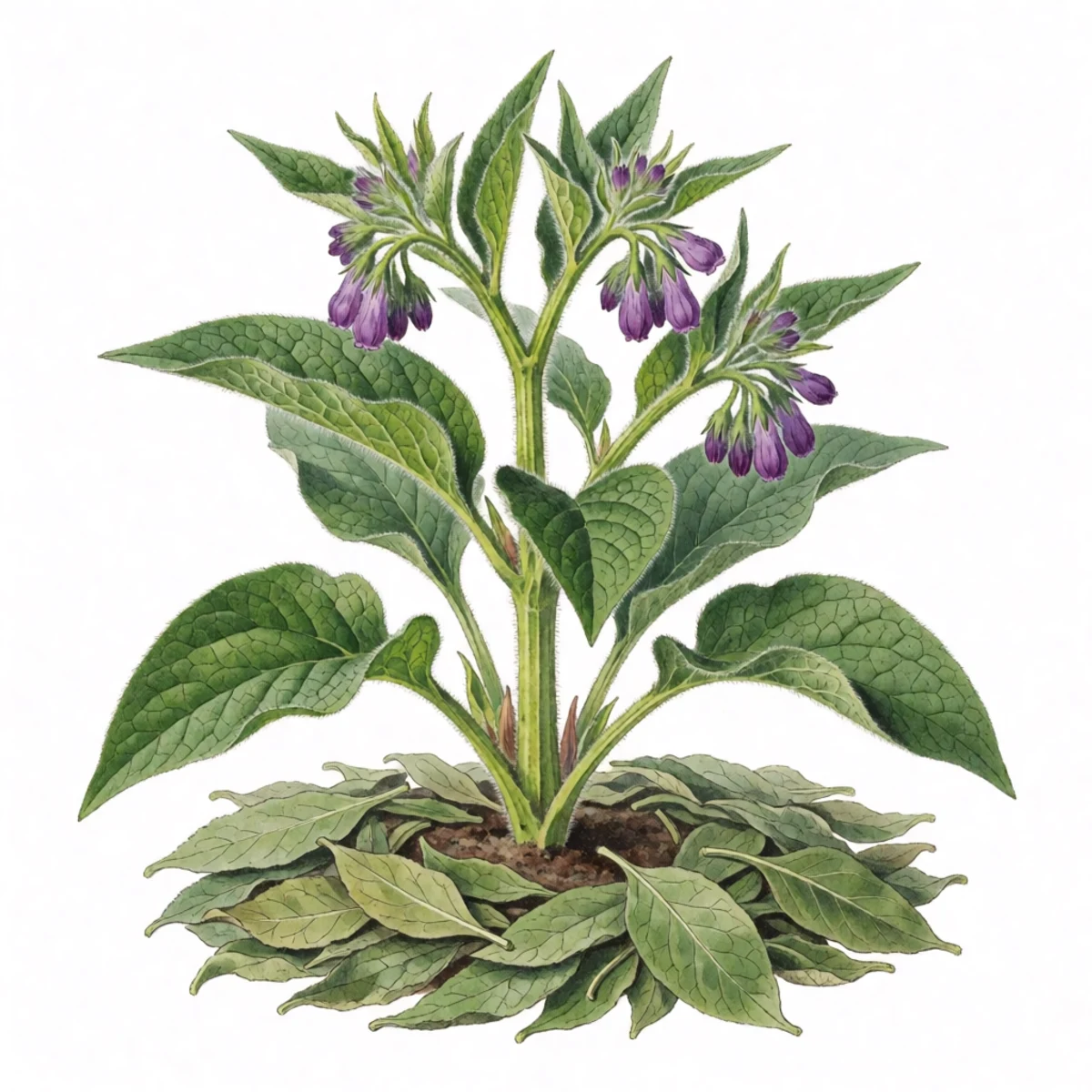
The comfrey has also been cut several times over now. All of it goes to compost or into the barrel for fertiliser tea, which is the whole reason it is planted: it mines what is down deep and hands it back up top.
Walking onion bulbilsRunners rooting in around a trunkComfrey, cut again for tea
The mulch line moves
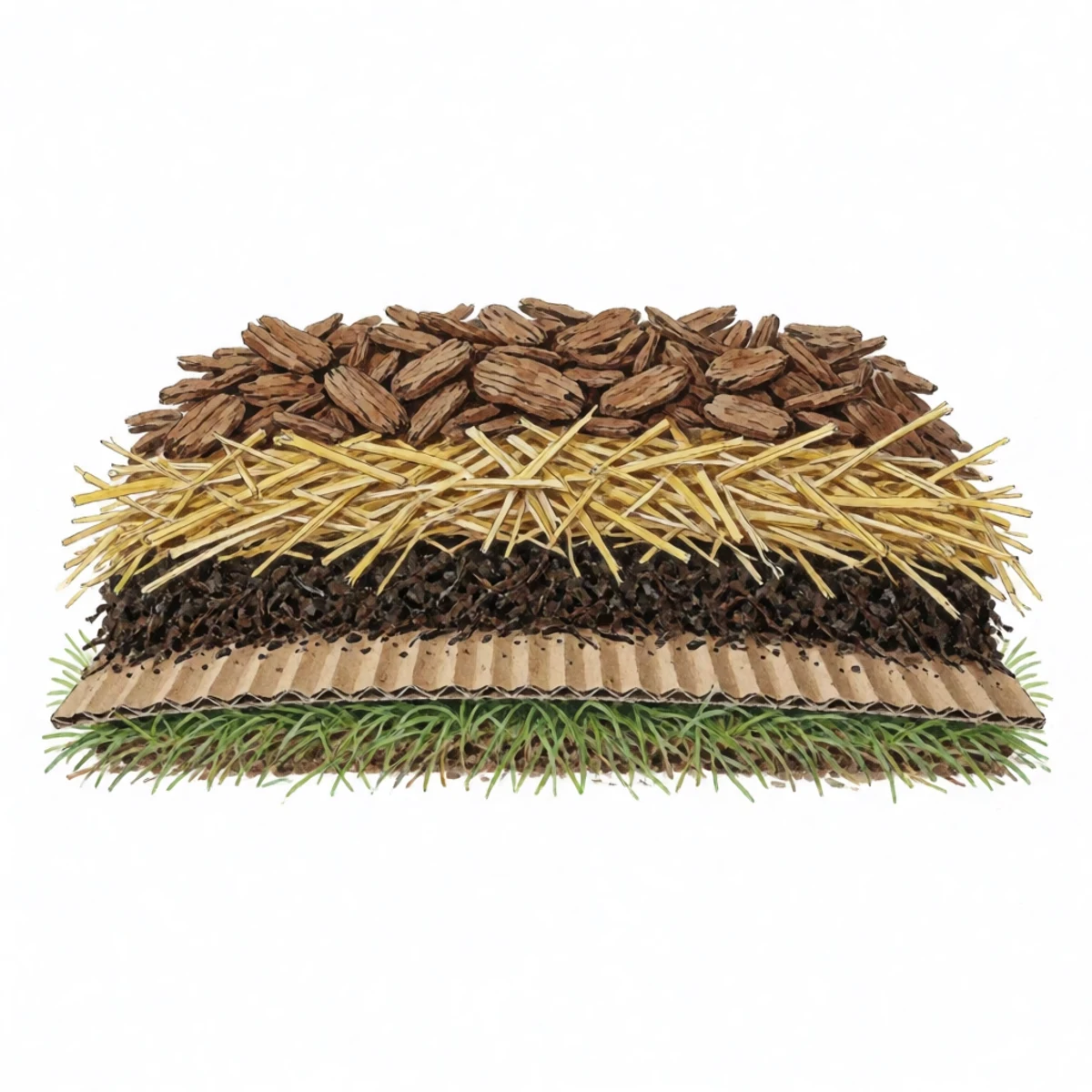
Pulling grass out of the food forest and putting mulch in its place. Slow, unglamorous, and the most important job here.
Grass is the quiet competitor. It looks like nothing and it takes everything — water, nitrogen, and the first inch of soil where a young tree's feeder roots live. Left alone it chokes a guild out from underneath while the tree above still looks fine.
It also creates a job that never ends: mowing between trees, around guy wires and trunk collars, on a slope, forever. Every square foot that goes from grass to mulch is a square foot I never have to mow again and a square foot the trees get to keep.
So the mulch line moves a bit at a time. It is a big task and it is not finished, but it is the one that decides what this place looks like in five years.
Where the mulch stops and the work startsThe food forest in July
Two we lost this year
The whole stone-fruit crop to a late frost, and the grapes to my own lack of preparation. Both worth writing down.
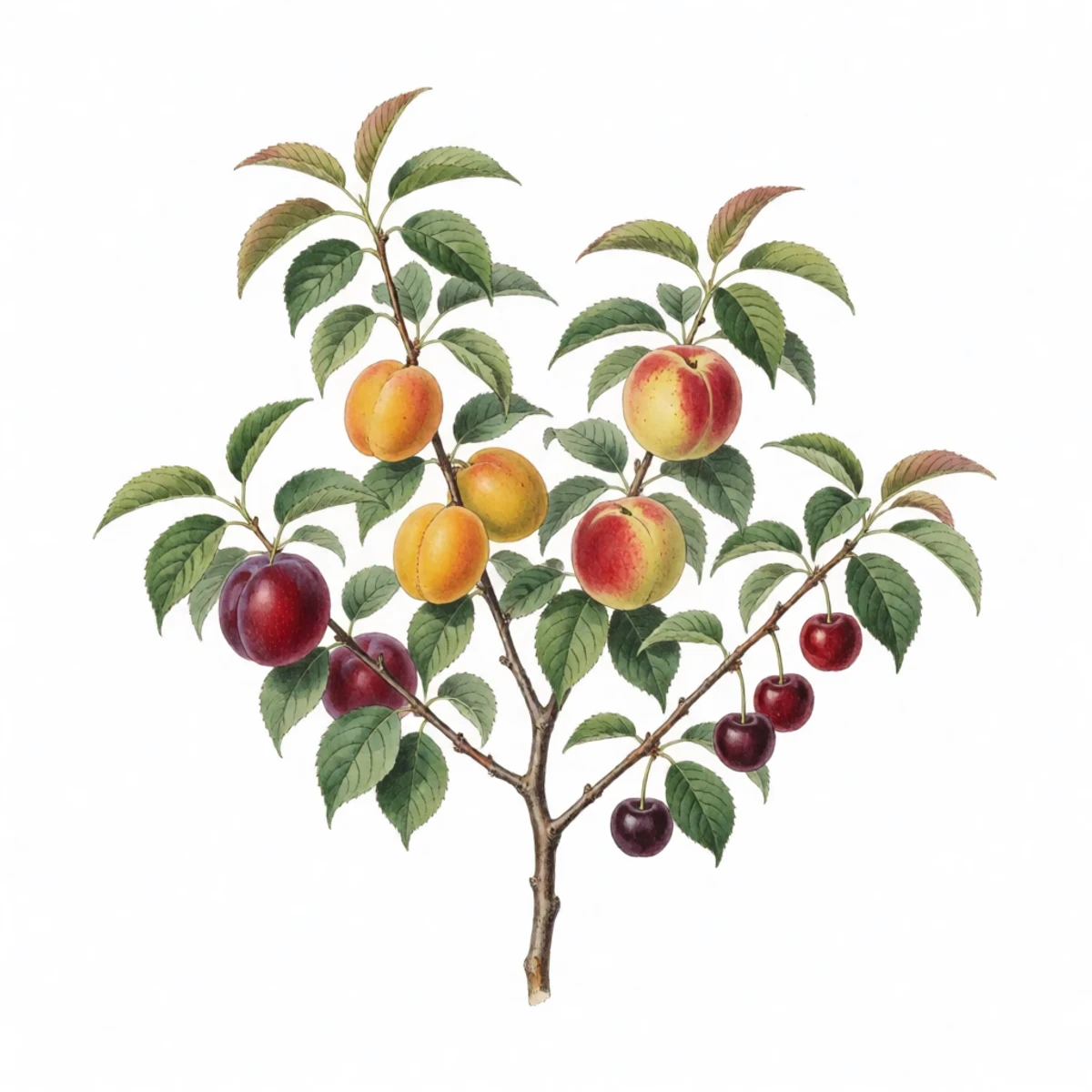
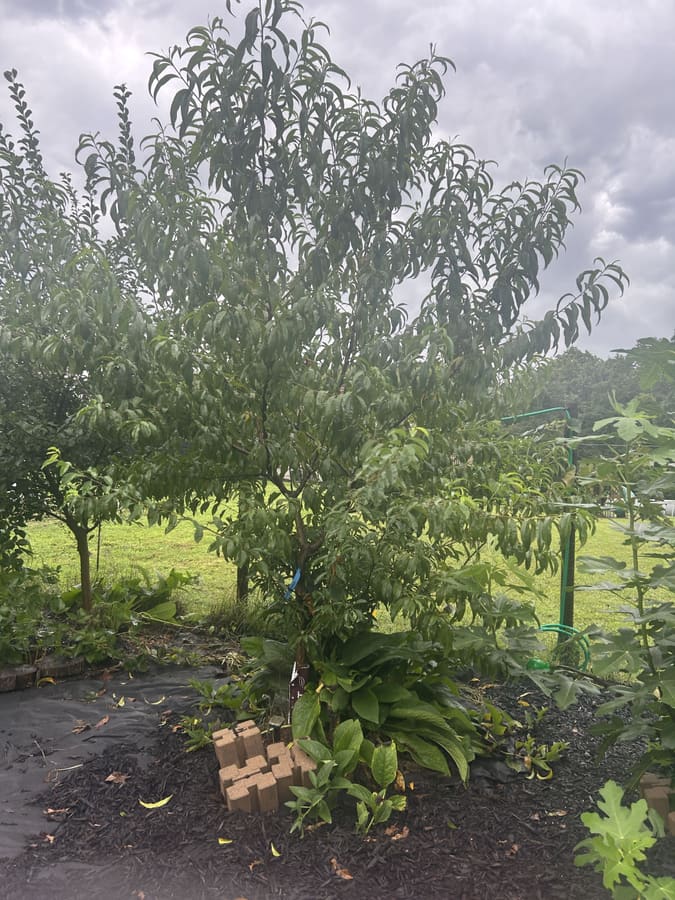
A late frost took the entire Prunus harvest — the peaches, the plums, the cherries, all of it. They bloomed on schedule and then the temperature came back down through them. That is the risk you accept growing stone fruit here, but accepting it is not the same as planning for it, and next year I intend to be set up to actually fight it rather than watch it.
The grapes I cannot blame on weather. That harvest was lost because I did not prepare for it properly — the prep did not happen in the window where it mattered, and the crop went with it. That one is mine.
I am writing both down because a farm journal that only records the wins is an advertisement. The frost is a lesson about infrastructure; the grapes are a lesson about calendars. Both are already on next year's plan.
Peaches bloomed, then the frost cameThe vines are fine. The harvest was not.
The flock is laying strong
Eggs steady through the heat, and a standing yarrow habit.
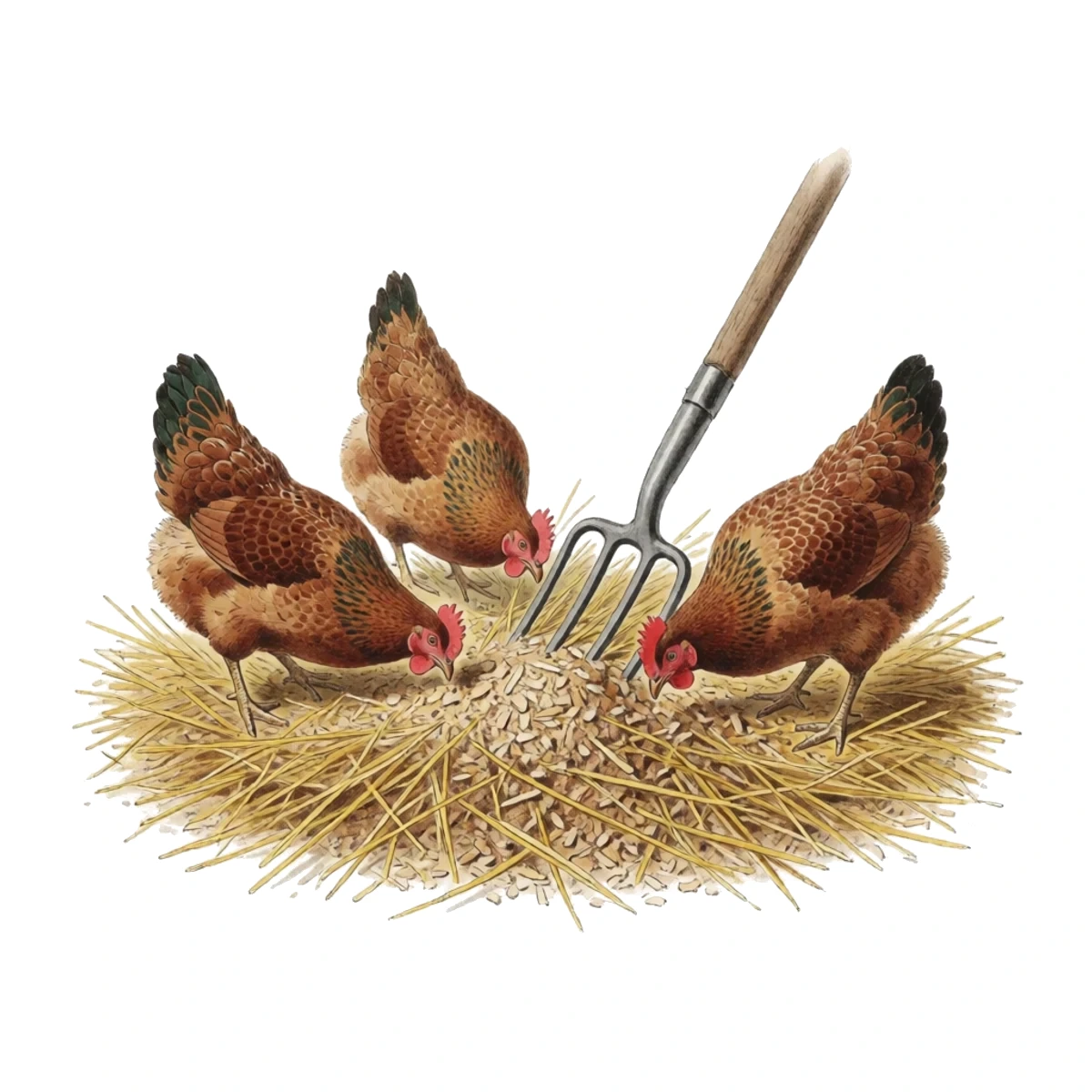
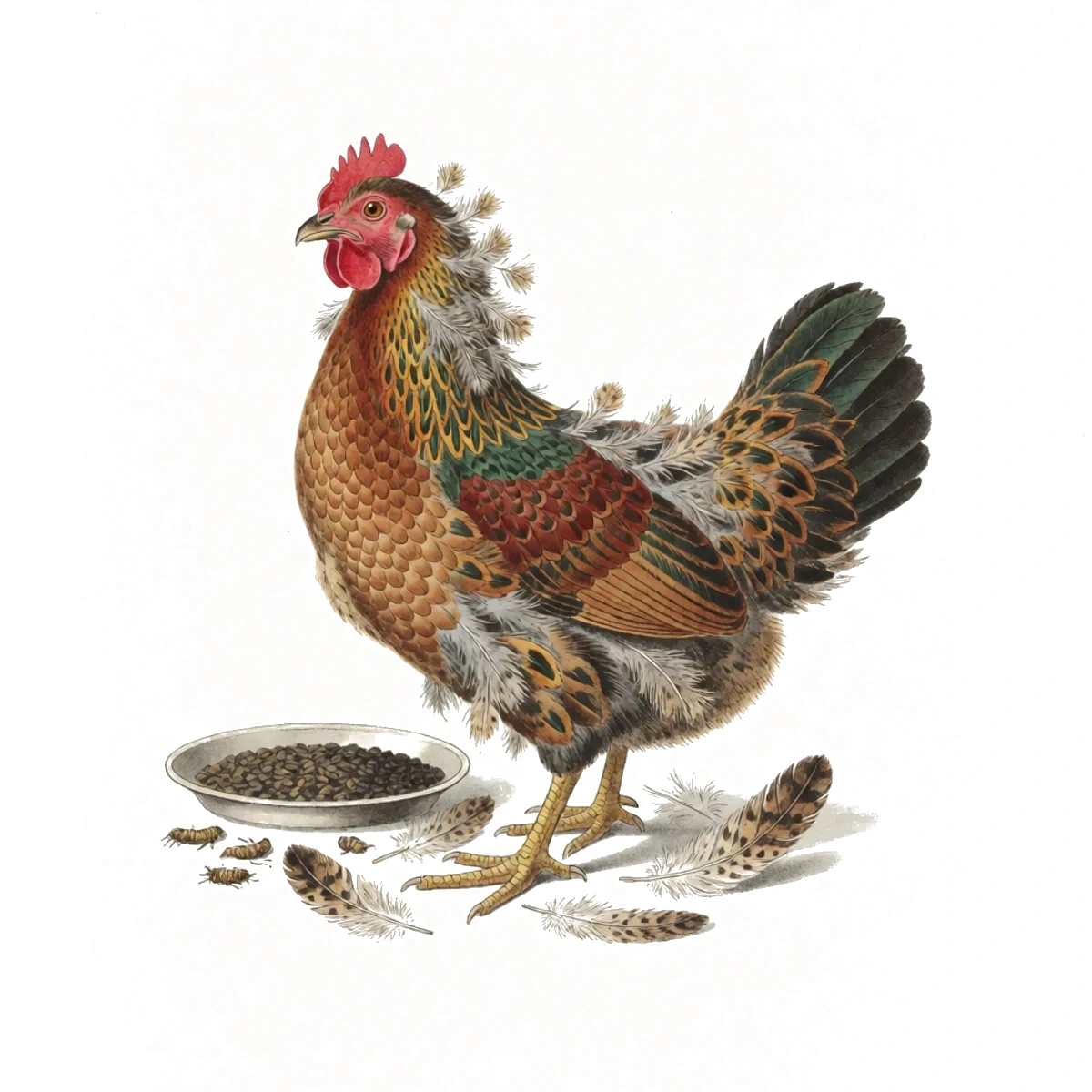
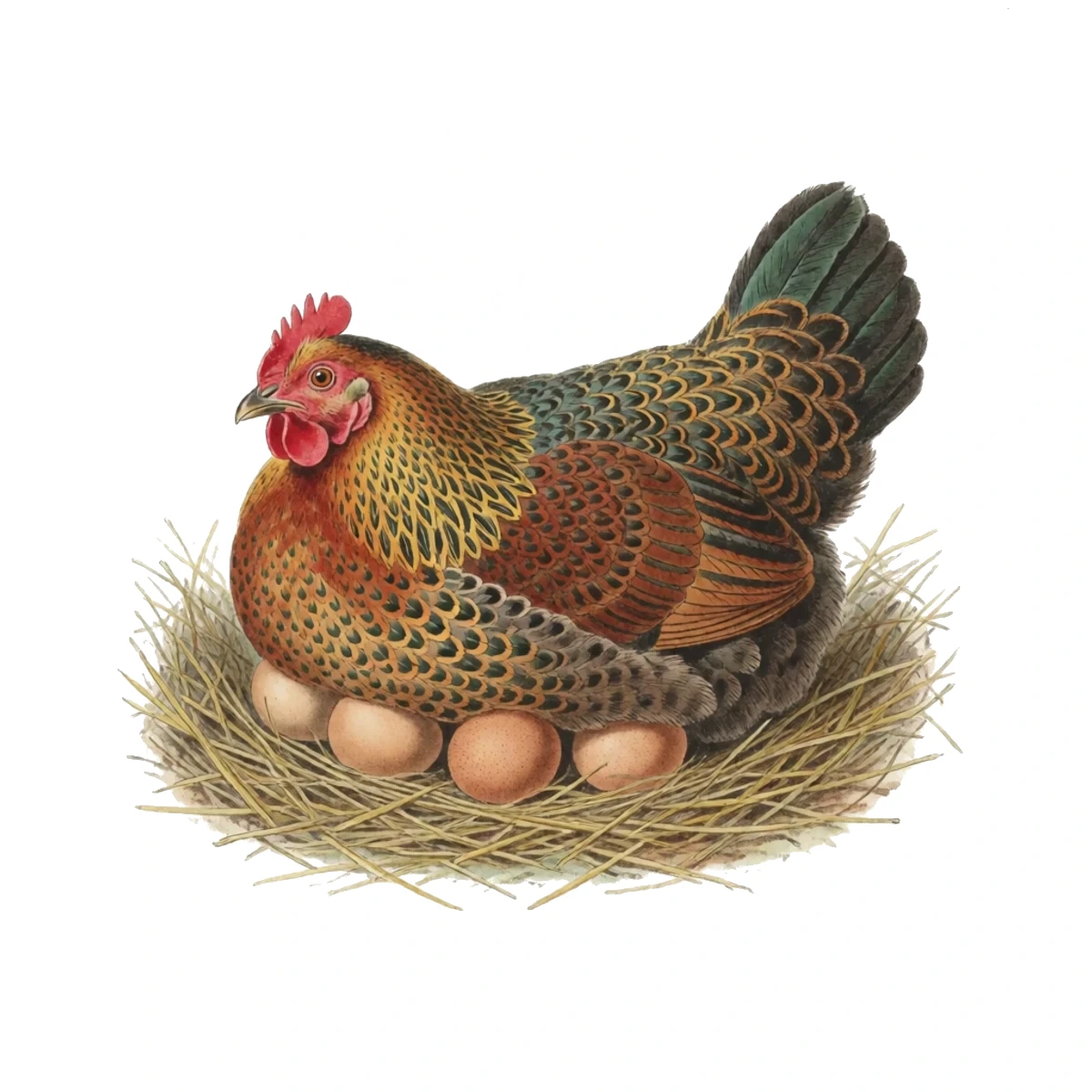
The hens have been laying strong right through the hot stretch, which is not always how this goes — heat usually takes a bite out of production before the light does.
They also get yarrow as a snack now and then, which they are firmly in favour of. It grows itself in the herb layer, they clean it up, and everyone involved considers the arrangement a success.
The other thing worth saying about a flock in a food forest is that they are working the whole time: scratching the mulch, taking the bugs, and putting fertility back exactly where the trees want it.
The barnyard mix, laying strongYarrow — a favourite snackThe unpaid staff
On the bench
A greenhouse, a fig hedge, a new gate, and water where I want it.
Four things are in progress at once, which is either ambitious or a diagnosis.
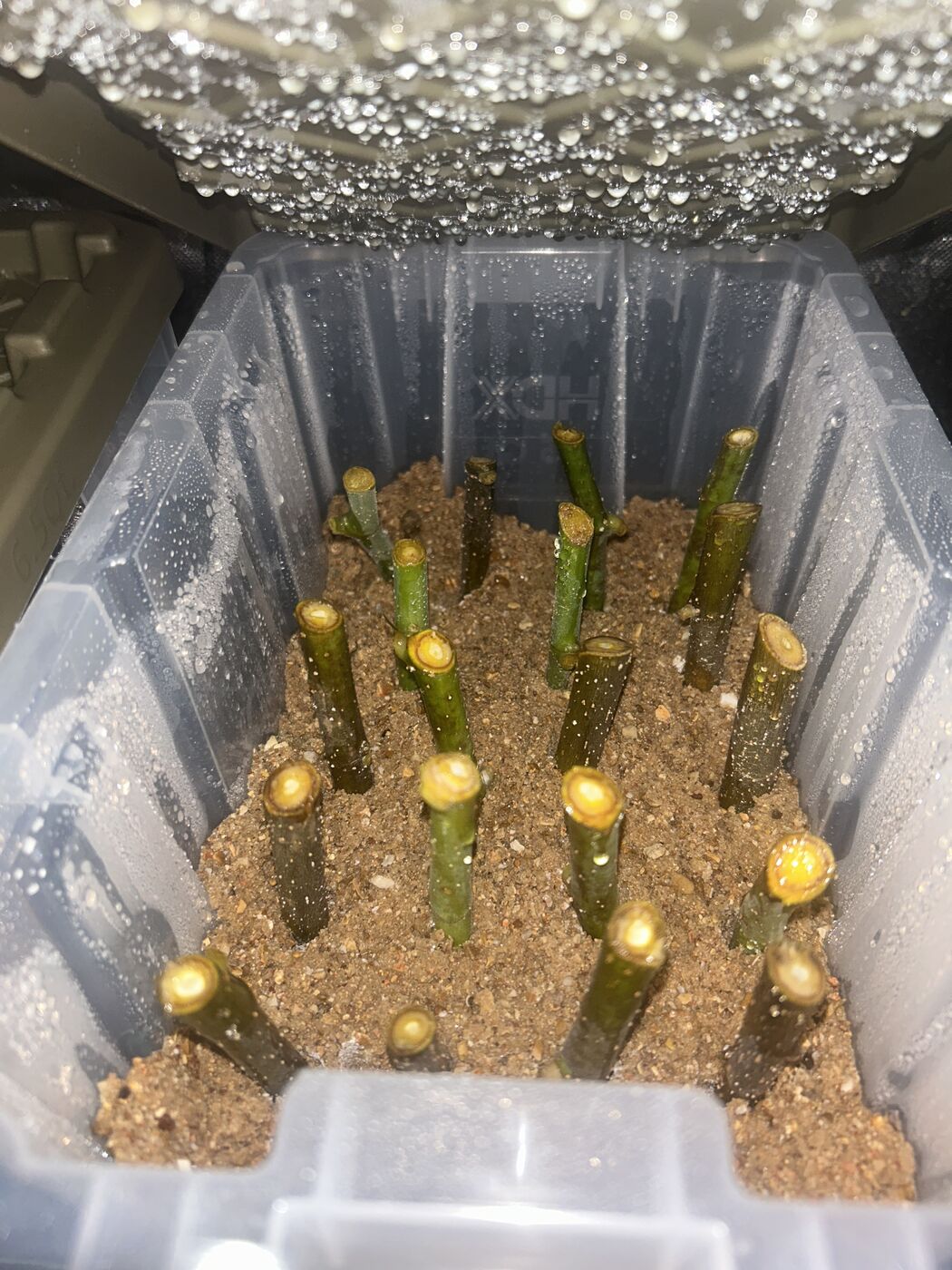
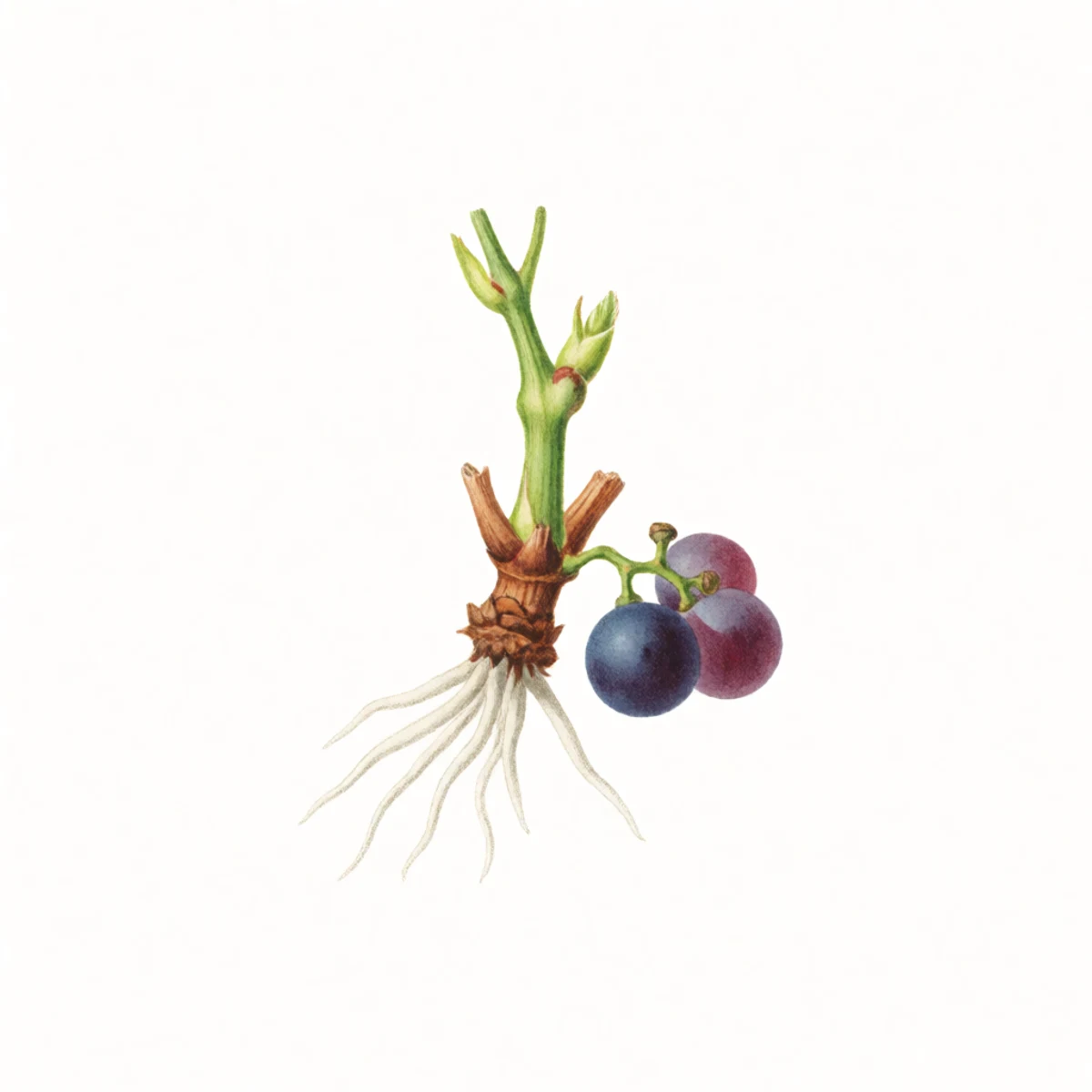
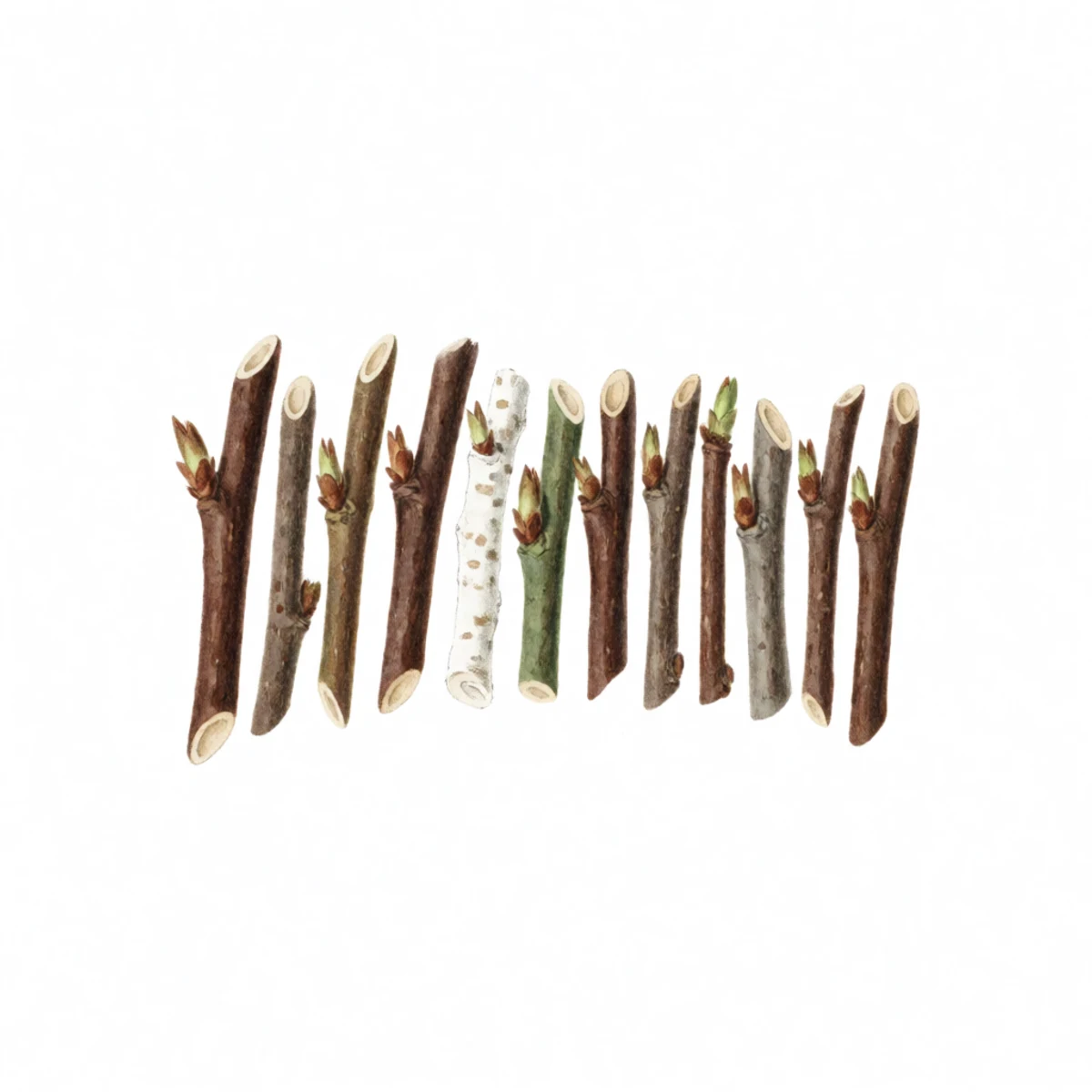
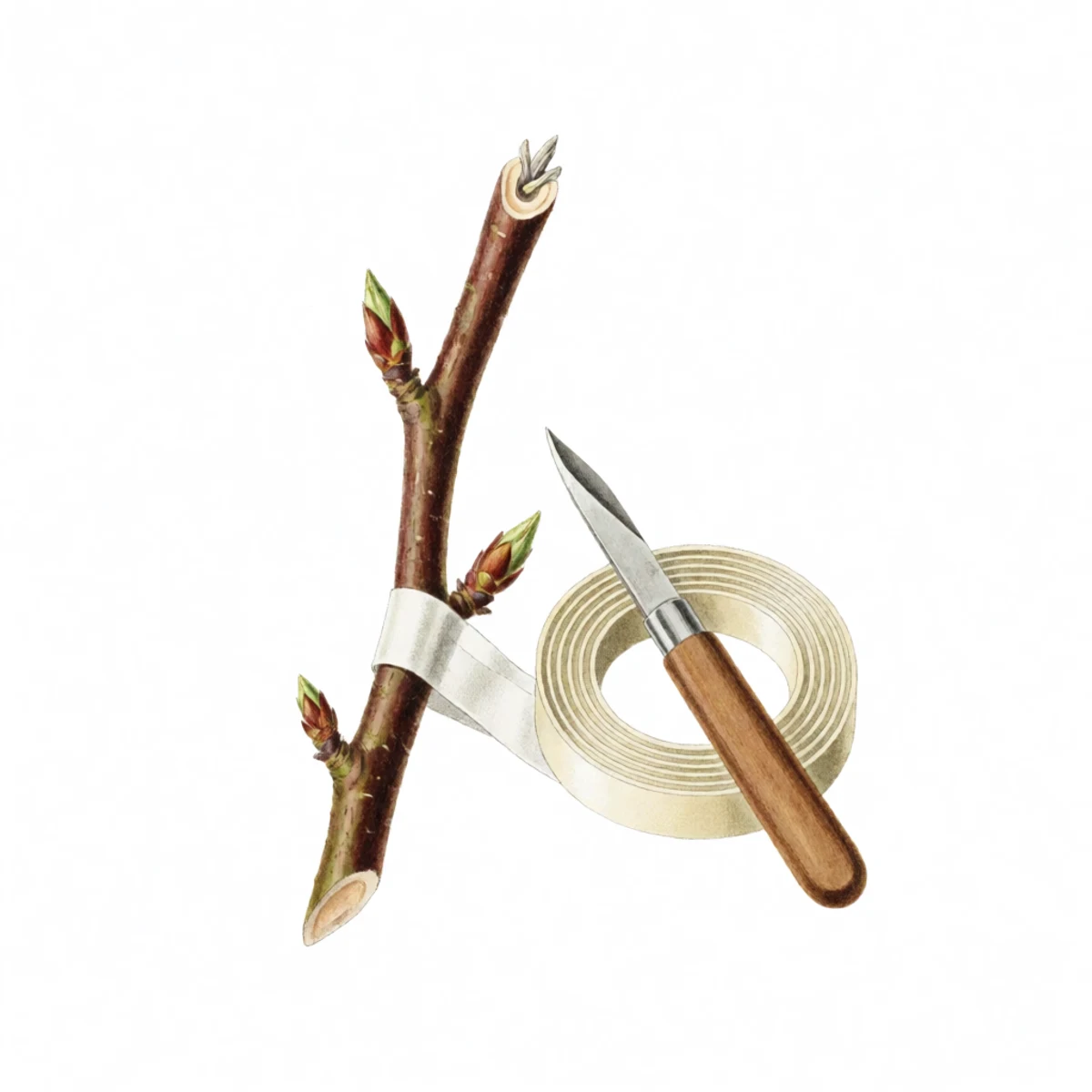
The greenhouse build is underway and being filmed as it goes. Alongside it I am rooting figs — the plan is a fig hedge, propagated from what already grows here, and that is getting a video too because rooting figs is one of those jobs that sounds harder than it is.
A new entrance gate is going in over by the greenhouse, and a water collection system is going in behind all of it. Hauling water is the kind of chore that quietly sets a ceiling on how much you can grow; collecting it where it falls raises that ceiling permanently.
Water, where it needs to beThe hedge starts with these
Almanac
What’s happening now
Compiled for August from the zone 6 entries in our plant library — bloom windows, harvest windows and pruning seasons as the guides record them. This is general horticultural guidance for the region, not a report from our own rows: it says what August typically asks for where we are, and every name links to the guide it came from.
In bloom
In zone 6, August is typically when these are flowering — which is also when pollination, and anything you spray, matters most:
The guides put August inside the pruning season for these — each guide gives the method as well as the month, which is the half that decides whether the cut helps: