The illustrated growing guide
Chervil
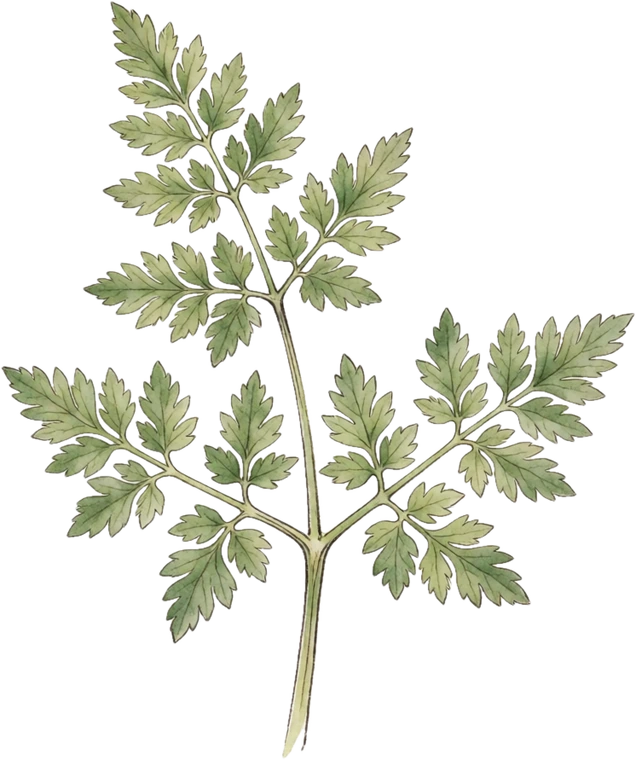
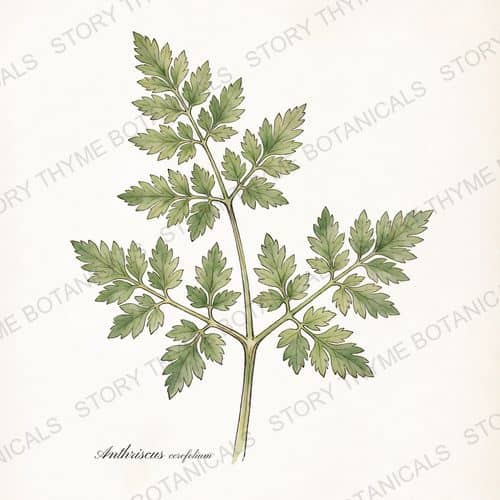
Anthriscus cerefolium
Family Apiaceae
Grown as an annual

The delicate one of the French fines herbes — anise-parsley whisper that wilts in a hot pan (add at the end). A shade-and-cool herb: sow it where lettuce likes it, in spring and fall, and keep resowing before it bolts.
I
Overview
Will chervil suit your garden, and what goes wrong.
Will it fruit where you are?
Enter your ZIP — we look up your USDA hardiness zone (2023 map) and check it against what chervil actually needs.

Chervil at a glance
Common chervil problems
- Almost none
- Few
II
Growing
Light, water, soil, propagation and the season’s jobs.
How to grow chervil: light, water & soil
How to plant & propagate chervil
The chervil growing playbook
Field-tested instructions for every job chervil asks of you, compiled from university extension guidance — in the order the season brings them.
Sowing
Direct sow in early spring, and barely cover the seed
Sow chervil straight into the ground or into its final pot as soon as the soil can be worked. Cover the seed very lightly or not at all, and keep the surface damp by misting or by laying a single sheet of newspaper over the row until seedlings appear. Do not start it in flats to move later. Chervil seed needs light to germinate well, so burying it is the usual reason a sowing fails. The seedlings also resent root disturbance and transplant poorly, so the plant you keep is the one that comes up where you sowed it.
Re-sow every 3 to 4 weeks to stay ahead of bolting
Put in a short new row of chervil every three to four weeks through the season rather than relying on the spring planting. Sow each round the same way, on the surface with the seed barely covered. Chervil runs to flower readily once the days lengthen and warm, and a bolted plant does not come back as leaf. Succession sowing is the only reliable way to have tender leaves in hand all season, because you are always harvesting from a planting that has not yet turned.
Sow again in fall for a cool-season crop or a spring stand
Make a sowing in fall as the heat breaks. Seed sown in late fall will sit and germinate on its own the following spring, so leave the row alone over winter rather than reworking it. Chervil is at its best in cool weather, so autumn gives it the conditions spring plantings lose to summer. Late sowings that do not come up have not failed, they are waiting out the cold and will break dormancy when the soil warms.
Watering
Keep the soil evenly moist, and give it afternoon shade
Water chervil consistently so the soil never dries out, and site the summer sowings in full sun to partial shade, favoring partial shade through the heat of summer. Warm weather sends chervil to seed, and without consistent water it bolts and goes to seed as well. Steady moisture and part shade in summer keep it in the cool, unstressed state where it stays leafy.
Thinning
Thin seedlings to about 15 inches apart
Once the seedlings are up and handling themselves, thin them to stand about 15 inches apart. Snip the extras at soil level rather than pulling them, and eat the thinnings. Chervil makes a plant 12 to 18 inches wide, so a stand thinned to about 15 inches apart gives each plant its room without crowding. Snipping instead of pulling spares the roots of the seedlings you are keeping, which do not recover from disturbance.
What to watch for
Check for slugs and snails on the young seedlings
Walk the row early in the morning while the plants are small and hand-pick any snails and slugs you find. If aphids show up on the foliage, knock them off with a spray of water from the hose. Slugs are the main thing that eats chervil, and the cool damp conditions the herb wants are exactly the conditions they thrive in. Seedlings are the vulnerable stage, since a slug can take out a plant you cannot replace by transplanting.
⚠ Hand-picking and a water spray handle both pests here, so no insecticide is warranted on a leaf herb you will eat fresh.
Harvesting
Cut leaves once fully open, and finish the planting before it flowers
Harvest leaves when they are fully open but still tender, taking a little at a time from around the outside so the center keeps growing. Once flower stalks start to rise, cut what you want and move on to the next sowing. Use chervil fresh and add it at the end of cooking. Chervil goes to flower readily, and once a planting bolts it stops giving you the tender leaf you grow it for, which is why the next sowing carries the harvest. The aromatic oil that carries the anise note is volatile and disappears when cooked, so add chervil to hot food just before serving rather than cooking it in.
III
The year
What chervil asks for, month by month.
The chervil year, month by month
What each band means
- Harvest — picking time — check ripeness every few days.
The chervil year as text
- Jan quiet month
- Feb quiet month
- Mar harvest
- Apr harvest
- May harvest
- Jun quiet month
- Jul quiet month
- Aug quiet month
- Sep harvest
- Oct harvest
- Nov harvest
- Dec quiet month
These are the species' typical months — expect them a few weeks earlier in warm zones and later in cold ones. Watch the plant, not just the calendar.
IV
Ecology & uses
What it does for the garden, and what it is grown for.
Chervil in the garden system
- Herbaceous layer annual
What chervil is grown for
✓ Commonly eaten
Harvesting & storing chervil
Leaves in cool weather; succession-sow spring + fall. About 60 days from planting.
Edibility, identification, and traditional-use notes here are general reference — not medical or veterinary advice, and not a claim that any plant treats or prevents anything. Medicinal ratings record how strongly a plant features in herbal tradition, nothing more. Never eat or dose a plant you have not positively identified. More on how to use this library.
V
Cultivars
Named varieties of chervil, ruled as a catalogue.
Best chervil varieties & cultivars
'Brussels Winter' (slower bolt)
VI
Sources & plant ID
Where the care distinctions come from, and how the plant is filed.
Research basis
Sources behind this profile
No extension citations are attached to chervilyet. The care figures below come from the library's own catalogue rather than a traced primary source.
Plant ID
VII
Where to buy
Third-party nurseries — not Story Thyme Farms.
Third-party nurseries, not Story Thyme Farms. Prices are theirs.
Story Thyme Farms may earn a small commission from these links, at no cost to you — it never changes what we recommend.
VIII
Questions
Chervil questions, answered straight.
Is chervil safe for kids and pets?
Chervil is commonly eaten and isn't considered toxic, but "commonly eaten" isn't a guarantee for any particular person or animal — allergies, quantity, and which part you eat all matter. Never eat a plant you haven't positively identified, and check with a vet before letting pets or livestock graze anything new.
When do you harvest chervil?
Leaves in cool weather; succession-sow spring + fall. From planting, expect about 60 days to maturity.
How do you propagate chervil?
From seed.
IX
Elsewhere
Where chervil sits in the library.
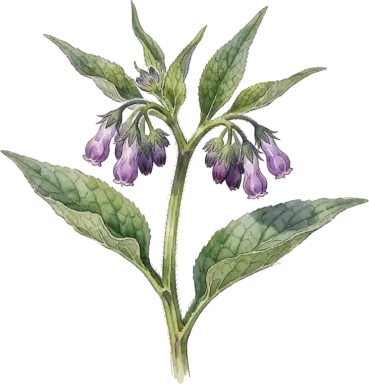
Comfrey
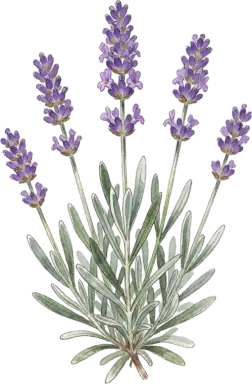
Lavender
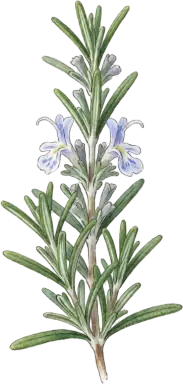
Rosemary
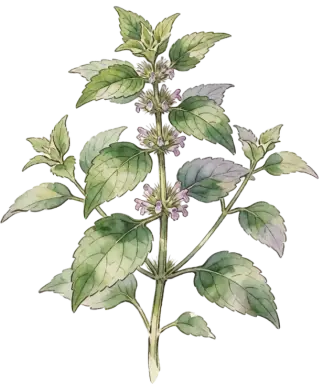
Anise Hyssop