Epazote
Dysphania ambrosioides
Family Amaranthaceae
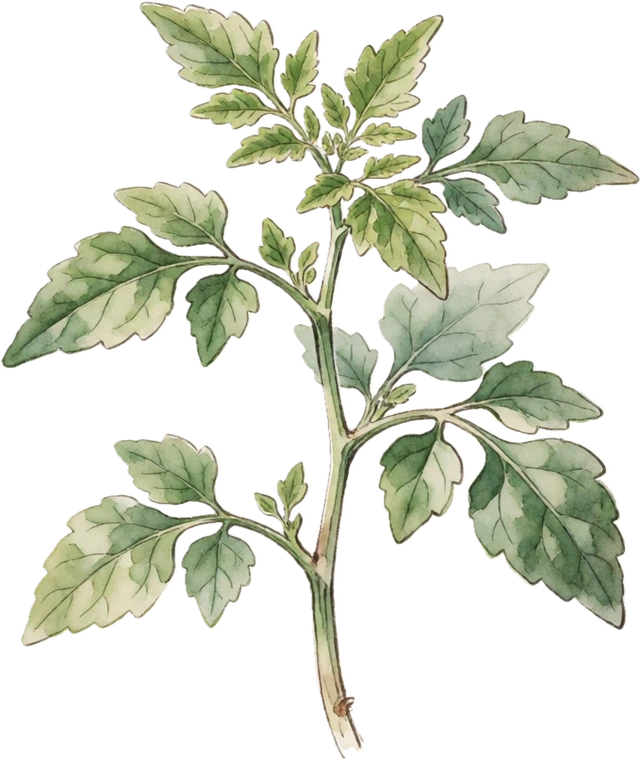
One resinous sprig of epazote is what makes a pot of Mexican black beans taste like Mexico — and, famously, what tames their after-effects. It's a flavor you can't fake with anything else on the spice rack, and dried leaves from a store are a pale shadow of fresh.
It thrives on neglect in poor, dry, sunny ground, self-sows enthusiastically, and feeds the birds with its seed. In the kitchen, a little goes a long way — this is a culinary herb, not one for concentrated home remedies. Grow one plant near the kitchen door and cook braver beans.
 Full Sun
 Low water
 Fast growth
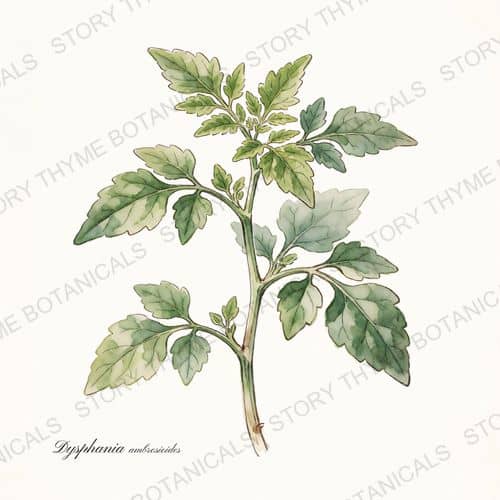
From the print shop
Growing epazote? Hang it.
Our Plant Library collection carries epazote — Dysphania ambrosioides, print Nº 174, “Epazote.”
526 designsfrom $12.99white or black backgroundmatte poster, unframed
Will it fruit where you are?
Enter your ZIP — we look up your USDA hardiness zone (2023 map) and check it against what epazote actually needs.
 Life cycleTender perennial, grown as an annual
Epazote · Common problems
Common epazote problems

Pests
1 problem on file
- Almost none — pest-repellent

Diseases
1 problem on file
- Almost none
Epazote · Growing & propagation
Growing epazote
- Light
- Full Sun
- Water
- Low
Drought-tough
 Soil
Soil- Any, even poor · pH 6.0 - 7.5
 Fertilizer
- None
 Pruning
- Pinch to keep leafy
The definitive herb for a pot of Mexican black beans — a pungent, resinous, love-it-or-hate-it flavor that also famously cuts the beans' gas-producing effect. Grows like a weed in poor dry soil and self-sows readily (can become weedy — deadhead if concerned). Use it fresh and sparingly; the flavor is strong.
 Spacing
- 12-18 in
How to plant & propagate epazote
 Maturity
- 60-80 days
 From seed
- Direct-sow in warm soil; self-sows
- Propagate
- From seed
Epazote · Calculators & field guides
A little help in the garden.
Epazote · Yearly calendar
The epazote year, month by month
Jan
No calendar activity is listed for this month.
 Bloom
BloomBloomJune to August
What each band means
- Bloom — flowers open — pollinators working, frost on blossoms is the danger.
These are the species' typical months — expect them a few weeks earlier in warm zones and later in cold ones. Watch the plant, not just the calendar.
Epazote · Ecology & uses
Ecology & uses
Dysphania ambrosioides
Epazote in the garden system
- Herbaceous layer annual
 Attracts
- Birds
 Moisture
- Upland / dry
 Deer
Deer- Browsed
Protect young plants
 Origin
- Introduced
What epazote is grown for
✓ Commonly eatenCulinary amounts safe; the concentrated oil/seed is strong and NOT for medicinal self-dosing or pregnancy
 Use
Use- Mexican beans
- Use
- Quesadillas
- Use
- Self-sowing
- Use
- Drought herb
- Edible value
- 3/5
- Traditional use rating
- 3/5 in herbal tradition
Harvesting & storing epazote
Pungent leaves all season — the essential Mexican herb for black beans (reduces gassiness) and quesadillas. About 60-80 days from planting.
Edibility, identification, and traditional-use notes here are general reference — not medical or veterinary advice, and not a claim that any plant treats or prevents anything. Medicinal ratings record how strongly a plant features in herbal tradition, nothing more. Never eat or dose a plant you have not positively identified. More on how to use this library.
Epazote · Varieties & cultivars
Choosing a epazote variety
Species (the traditional Mexican culinary type)
Sources & plant identity
Know what you’re growing.
See where the knowledge comes from.
Epazote
Dysphania ambrosioides
The plant, at a glance.
- Botanical name
- Dysphania ambrosioides
- Plant family
- Amaranthaceae
- Growth habit
- Annual · Tender Perennial
- Origin
- Introduced
- USDA plant symbol
- DYAM
- Invasive risk
- Low
- Other names
- Chenopodium ambrosioides
Hardiness, size and timing vary with your cultivar, soil and climate.
Rooted in research.
University extension research, brought together with hands-on growing experience at Story Thyme Farms.
Questions
Epazote questions, answered straight.
Is epazote safe for kids and pets?
Epazote is commonly eaten and isn't considered toxic, but "commonly eaten" isn't a guarantee for any particular person or animal — allergies, quantity, and which part you eat all matter. One caveat on this one: Culinary amounts safe; the concentrated oil/seed is strong and NOT for medicinal self-dosing or pregnancy. Never eat a plant you haven't positively identified, and check with a vet before letting pets or livestock graze anything new.
When do you harvest epazote?
Pungent leaves all season — the essential Mexican herb for black beans (reduces gassiness) and quesadillas. From planting, expect about 60-80 days to maturity.
How do you propagate epazote?
From seed.
Elsewhere
Where epazote sits in the library.
 Comfrey
 Lavender
 Rosemary
 Anise Hyssop