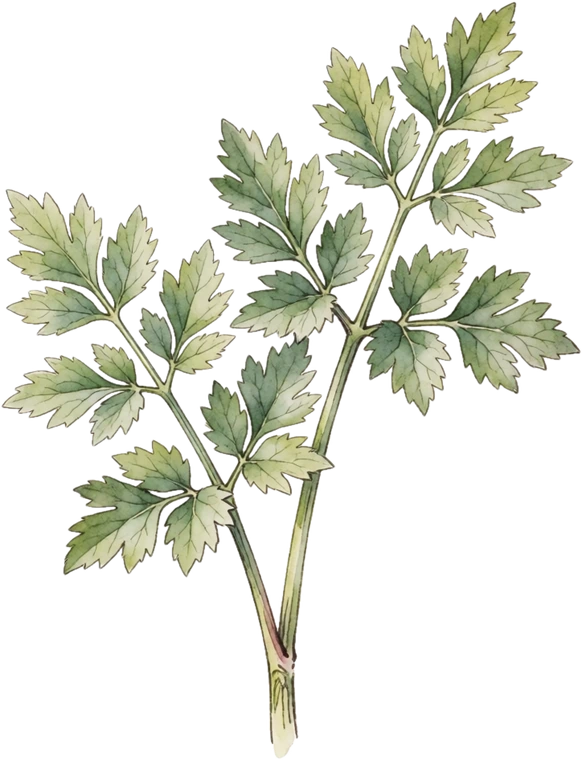
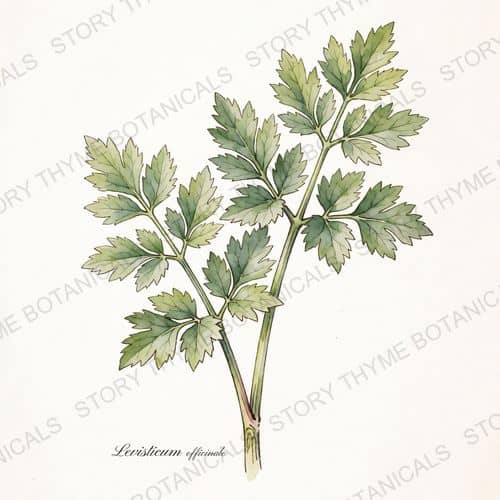
The illustrated growing guide
Lovage
Levisticum officinale
Family Apiaceae
Est. zones 3-8

Celery flavor turned to 11 from a plant you cannot kill — one specimen supplies a family's soup pot for 20 years. The back-of-border herb everyone forgets and old gardens always have.
I
Overview
Will lovage suit your garden, and what goes wrong.
Will it fruit where you are?
Enter your ZIP — we look up your USDA hardiness zone (2023 map) and check it against what lovage actually needs.
Lovage at a glance
Common lovage problems
- Leaf Miner
- None significant
II
Growing
Light, water, soil, propagation and the season’s jobs.
How to grow lovage: light, water & soil
How to plant & propagate lovage
The lovage growing playbook
Field-tested instructions for every job lovage asks of you, compiled from university extension guidance — in the order the season brings them.
Sowing
Sow lovage in spring, in rich moist ground
Sow seed in spring, either in a tray to transplant later or direct into a lightly shaded bed, and thin or space the plants about 30 inches apart (spacing per University of Maryland Extension). Work compost or well-rotted manure into the planting hole and pick a spot that stays moist without waterlogging. Illinois Extension describes lovage as a large, vigorous hardy perennial growing 4-6 feet tall, and it widens to about a yard across within a few years, so it needs the room and the fertility from the start; a fairly rich, moist soil with light shade improves the quality of the leaves and keeps them tender rather than coarse.
Mulching
Mulch with compost as growth starts
Spread a layer of garden compost or well-rotted manure around the crown each spring as the new shoots come up. Water established plants during prolonged dry spells. Lovage does best in a rich, fairly moist soil that never dries out, and a compost mulch feeds the plant and holds that moisture in one pass, so no separate fertilizer is needed.
Dividing
Divide crowded clumps in spring
Lift a large established clump in spring as growth begins, split the crown into rooted pieces with a spade or knife, and replant them at the original depth in fresh, enriched soil. Lovage spreads to about a yard across and thickens over the years; division both renews a congested crown and is the reliable way to propagate a plant you already like, since seed is variable.
Pruning
Cut out flower stems to keep leaves sweet
As the tall flower stalks rise and the greenish-yellow umbels start to form, cut them out at the base unless you want seed. Keep picking young leaves frequently to pull new growth. Lovage leaves turn bitter once the flowerheads form, and the plant pours its energy into seed instead of foliage, so removing the stalks extends the leaf harvest by weeks.
Cut back the old foliage after frost
Once hard frost has knocked the leaves and flower stems down, cut the old top growth back to the ground. You can also leave the stems standing over winter and cut back in early spring, just before new growth starts. Lovage dies back and goes dormant in winter, and clearing the spent foliage removes the leafminer and leaf-spot inoculum that would otherwise overwinter in it and reinfect the new spring flush.
What to watch for
Watch for leaf mines, and pick them off
Check the celery-like leaves through summer for pale winding tunnels or blotches made by celery leaf mining fly. Pick off and destroy the mined leaves while the damage is still light rather than spraying. The larva feeds between the two leaf surfaces, so a spray cannot reach it once the mine has started, and leafminers are normally held in check by parasitic wasps anyway.
⚠ Broad-spectrum insecticides such as permethrin, bifenthrin, and carbaryl kill the parasitic wasps that control leafminers and can leave you with a worse problem than you started with.
Harvesting
Cut seed heads as they turn brown
On any stalks you left to flower, cut the seed heads once they start to turn brown and hang them upside down in paper bags to finish drying, then shake the seed loose. Lovage seed shatters off the umbel as soon as it is fully ripe, and the plant self-seeds freely, so catching the heads at the brown stage saves the spice and saves you weeding out volunteers next year.
III
The year
What lovage asks for, month by month.
The lovage year, month by month
What each band means
- Bloom — flowers open — pollinators working, frost on blossoms is the danger.
- Prune — shape it now — cuts heal cleanly and structure is visible.
- Harvest — picking time — check ripeness every few days.
The lovage year as text
- Jan quiet month
- Feb quiet month
- Mar harvest
- Apr harvest
- May harvest
- Jun bloom
- Jul quiet month
- Aug quiet month
- Sep harvest
- Oct harvest
- Nov pruning, harvest
- Dec quiet month
These are the species' typical months — expect them a few weeks earlier in warm zones and later in cold ones. Watch the plant, not just the calendar.
IV
Ecology & uses
What it does for the garden, and what it is grown for.
Lovage in the garden system
- Herbaceous layer perennial
- Dynamic accumulator
- Nectary/insectary
What lovage is grown for
✓ Commonly eaten
Harvesting & storing lovage
Leaves spring-fall (young ones mild); hollow stems as straws for Bloody Marys; seeds as spice. About perennial from planting.
Edibility, identification, and traditional-use notes here are general reference — not medical or veterinary advice, and not a claim that any plant treats or prevents anything. Medicinal ratings record how strongly a plant features in herbal tradition, nothing more. Never eat or dose a plant you have not positively identified. More on how to use this library.
V
Cultivars
Named varieties of lovage, ruled as a catalogue.
Best lovage varieties & cultivars
Standard
VI
Sources & plant ID
Where the care distinctions come from, and how the plant is filed.
Research basis
Sources behind this profile
No extension citations are attached to lovageyet. The care figures below come from the library's own catalogue rather than a traced primary source.
Plant ID
VII
Where to buy
Third-party nurseries — not Story Thyme Farms.
Third-party nurseries, not Story Thyme Farms. Prices are theirs.
Story Thyme Farms may earn a small commission from these links, at no cost to you — it never changes what we recommend.
VIII
Questions
Lovage questions, answered straight.
Is lovage safe for kids and pets?
Lovage is commonly eaten and isn't considered toxic, but "commonly eaten" isn't a guarantee for any particular person or animal — allergies, quantity, and which part you eat all matter. Never eat a plant you haven't positively identified, and check with a vet before letting pets or livestock graze anything new.
When do you harvest lovage?
Leaves spring-fall (young ones mild); hollow stems as straws for Bloody Marys; seeds as spice. From planting, expect about perennial to maturity.
How do you propagate lovage?
From seed or division.
IX
Elsewhere
Where lovage sits in the library.
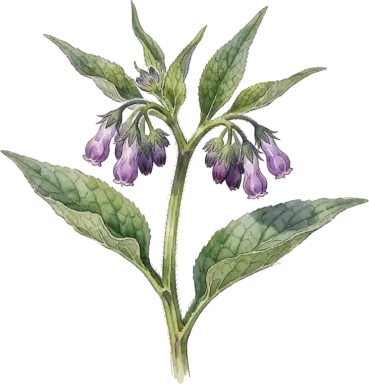
Comfrey
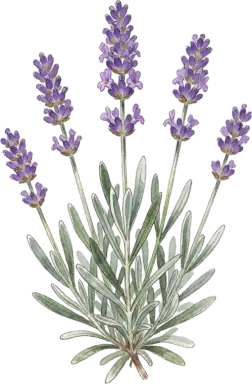
Lavender
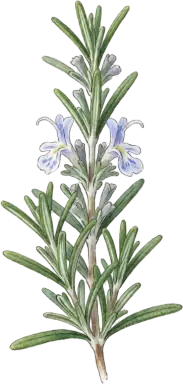
Rosemary
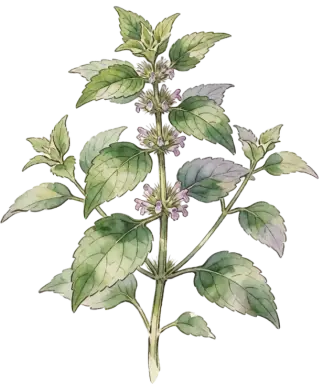
Anise Hyssop