Monstera
Monstera deliciosa
Family Araceae
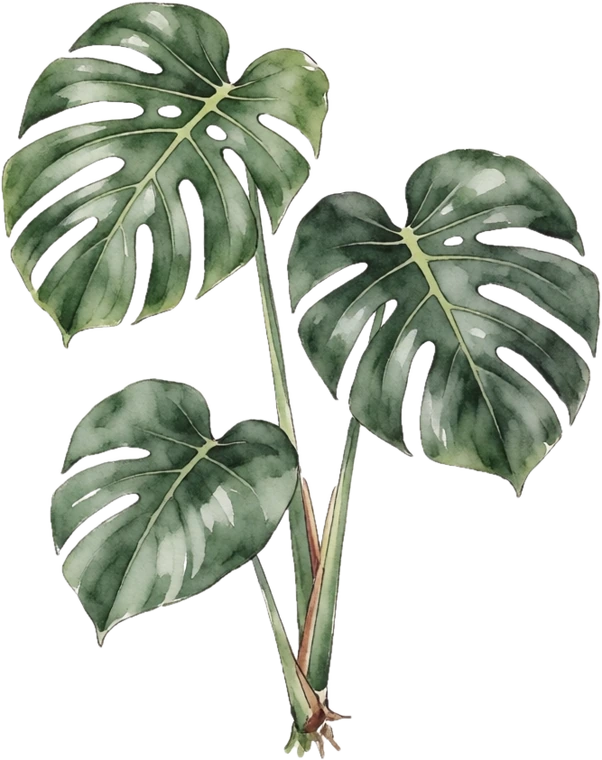
Monstera is the houseplant that makes visitors ask questions — glossy leaves the size of dinner platters that split into their famous windows as the plant matures. Given a pole to climb and decent light, it builds from cute nursery pot to six-foot statement piece indoors.
Fast-growing and forgiving for something this dramatic, it asks mainly for bright indirect light and room to show off. Keep it up out of reach of pets and toddlers — the leaves are for looking, not chewing. One corner of your living room is auditioning already.
 Bright indirect light
 Moderate water
 Fast growth
 Deer-resistant
 None winter chill
From the print shop
Growing monstera? Hang it.
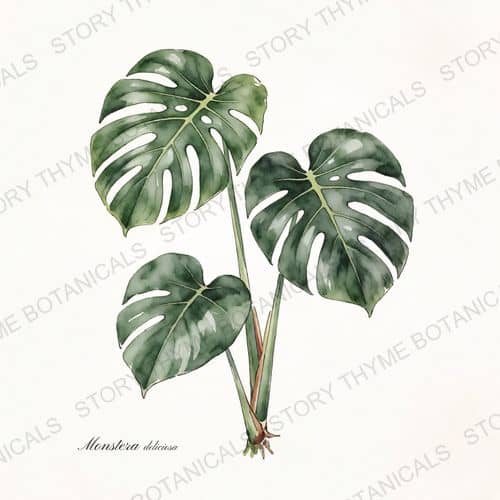
Our Plant Library collection carries monstera — Monstera deliciosa, print Nº 310, “Monstera.”
526 designsfrom $12.99white or black backgroundmatte poster, unframed
Will it thrive where you are?
Enter your ZIP — we look up your USDA hardiness zone (2023 map) and check it against what monstera actually needs.
 Hardy inZones 10-12
Monstera · Common problems
Common monstera problems

Pests
5 problems on file

Diseases
1 problem on file
- Root Rot (overwatering)
Monstera · Growing & propagation
Growing monstera
- Light
- Bright indirect light
Tolerates medium
- Water
- Moderate
Water when top 2 inches dry; yellow leaves = overwatering
 Soil
Soil- Chunky aroid mix (bark + perlite + potting soil) · pH 5.5 - 7.0
 Fertilizer
- Balanced liquid feed monthly spring-summer
None in winter
 Pruning
- Anytime
Cut leggy stems above a node; aerial roots can go into the pot or a moss pole.
 Spacing
- One per pot
How to plant & propagate monstera
- Propagate
- Stem/leaf cuttings, division, or pups
Monstera · Seasonal care & spray guidance
The monstera growing playbook
When to spray monstera
Growing season. Wipe leaves monthly — dust blocks light; neem for mites at first stippling.
Monstera · Calculators & field guides
A little help in the garden.
Monstera · Yearly calendar
The monstera year, month by month
Jan
PruneJanuary to December
PrunePruneJanuary to December
What each band means
- Prune — shape it now — cuts heal cleanly and structure is visible.
These are the species' typical months — expect them a few weeks earlier in warm zones and later in cold ones. Watch the plant, not just the calendar.
Monstera · Ecology & uses
Ecology & uses
Monstera deliciosa
Monstera in the garden system
- Moisture
- Facultative / average
- Deer
- Resistant
A safer unfenced choice
 Origin
- Introduced
What monstera is grown for
⚠ Toxic if eatenToxic to cats/dogs and kids (calcium oxalate)
 Use
Use- Statement foliage
- Use
- Air feel
- Use
- Cuttings to share
Edibility, identification, and traditional-use notes here are general reference — not medical or veterinary advice, and not a claim that any plant treats or prevents anything. Medicinal ratings record how strongly a plant features in herbal tradition, nothing more. Never eat or dose a plant you have not positively identified. More on how to use this library.
Monstera · Varieties & cultivars
Choosing a monstera variety
'Deliciosa' (classic); 'Thai Constellation' (variegated, pricier, slower); 'Borsigiana' (smaller)
Sources & plant identity
Know what you’re growing.
See where the knowledge comes from.
Monstera
Monstera deliciosa
The plant, at a glance.
- Botanical name
- Monstera deliciosa
- Plant family
- Araceae
- Growth habit
- Houseplant · Perennial
- Origin
- Introduced
- USDA plant symbol
- MODE
- Invasive risk
- Low
Hardiness, size and timing vary with your cultivar, soil and climate.
Rooted in research.
University extension research, brought together with hands-on growing experience at Story Thyme Farms.
for Monstera
Research from these sources



Publisher marks identify sources, not sponsorship or endorsement.
Questions
Monstera questions, answered straight.
Do deer eat monstera?
Rarely — monstera is considered deer-resistant, which makes it one of the safer unfenced choices in deer country. Hungry deer in a hard winter test every rule, but it's a low-risk pick.
Is monstera safe for kids and pets?
No — treat it as toxic if eaten. Toxic to cats/dogs and kids (calcium oxalate) Site it accordingly if children or pets roam the garden. This is general reference, not medical or veterinary advice — call a vet or poison control if something has actually been eaten.
How do you propagate monstera?
Stem/leaf cuttings, division, or pups.
Elsewhere
Where monstera sits in the library.
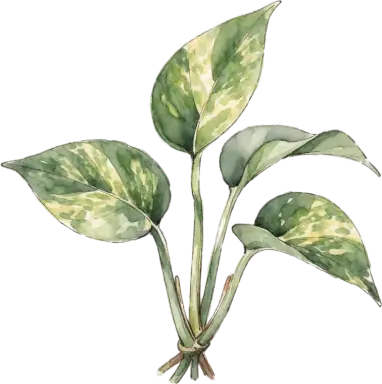 Golden Pothos
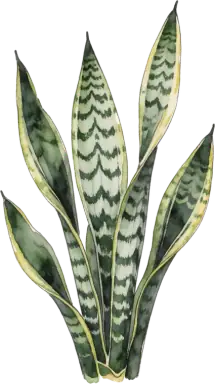 Snake Plant
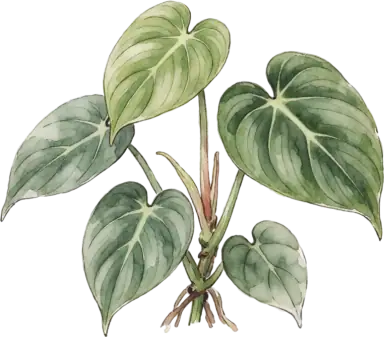 Heartleaf Philodendron
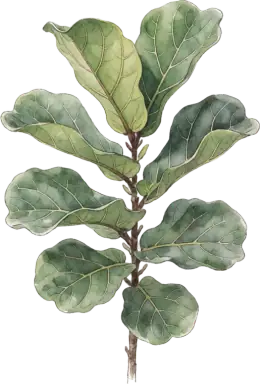 Fiddle-Leaf Fig