Spider Mites
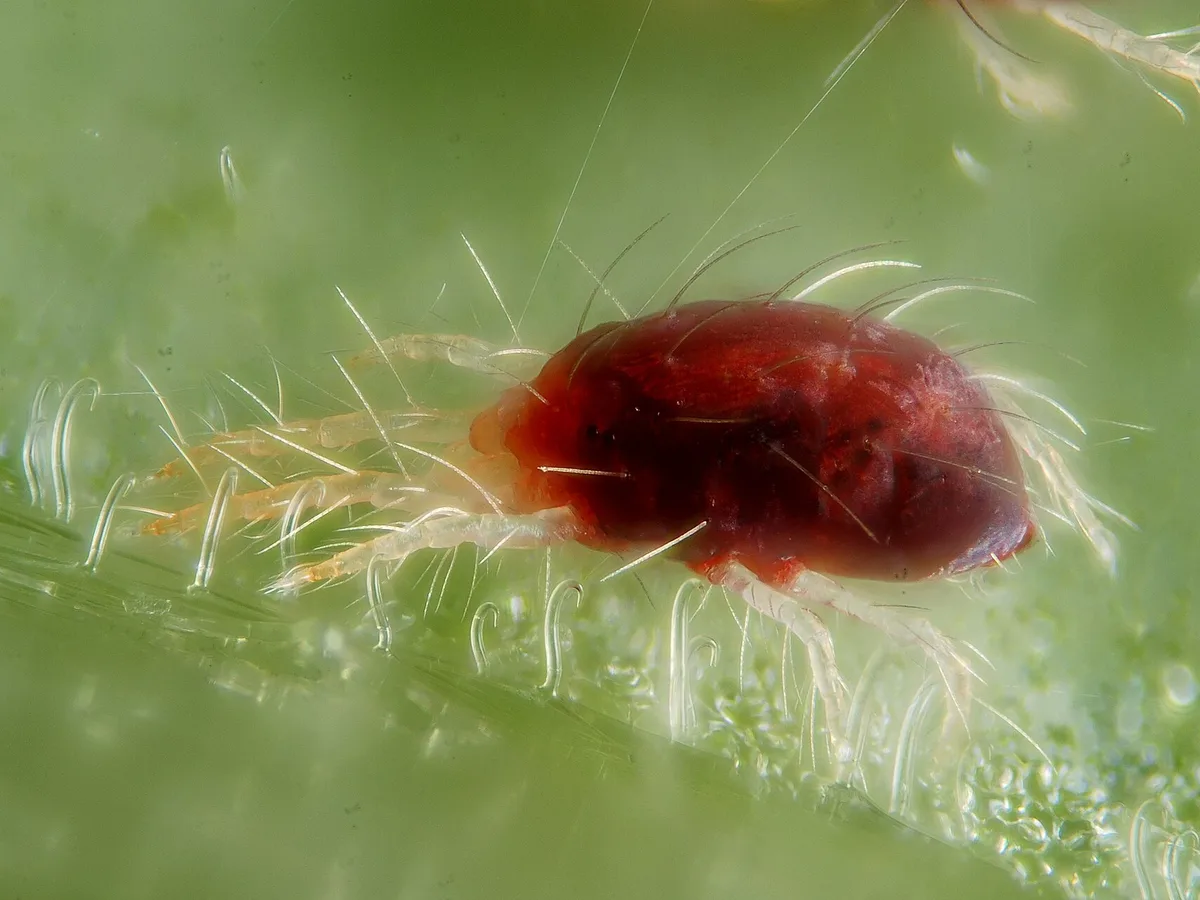
Nearly invisible specks, tan to red, on the undersides of leaves that have gone dusty-pale with pinprick stippling. The giveaway is fine silk webbing along stems and leaf joints when the infestation is established — worst on indoor plants and in hot, dry spells.
Pest checklist
Four things to look for. If most of them match what you are holding, you are in the right place.
What gets rid of them
Gentlest option first. For most backyard cases the first one is enough, so try these in order and stop as soon as it works. If you do spray something, the product label tells you how — please read the notice further down.
1Raise the humidity, wash the leaves
Mites thrive dry. A hard rinse top and bottom of every leaf, repeated for a week, breaks the cycle on houseplants.
Try this first2Insecticidal soap
Contact kill; hit the leaf undersides and repeat per the label, since eggs survive the first pass.
insecticidal soap spray3Horticultural oil
Smothers adults and eggs both; useful on woody plants and heavier outbreaks.
horticultural oil spray
As an Amazon Associate, Story Thyme Farms earns from qualifying purchases, at no cost to you. It never changes what we recommend.
Which plants get spider mites
Every plant we cover that gets spider mites, grouped by type — tap any one to open its page. A note beside a plant came from that plant’s own entry, because the same pest can be a minor nuisance on one plant and a serious problem on another. Plenty of plants we do not cover get it too.
trees10
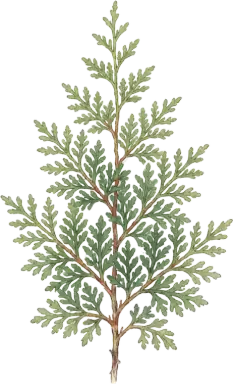 ArborvitaeThuja occidentalis / 'Green Giant'
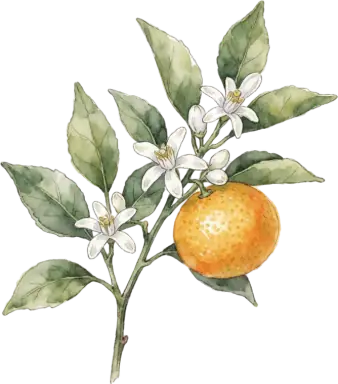 Calamondin OrangeCitrus × microcarpa
 Colorado Blue SprucePicea pungens
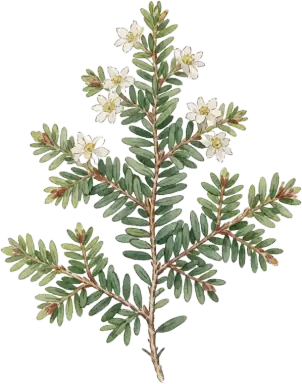 Eastern HemlockTsuga canadensisin heat
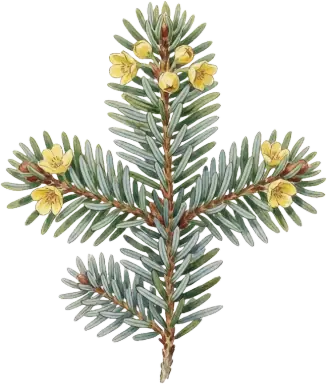 Fraser FirAbies fraseri
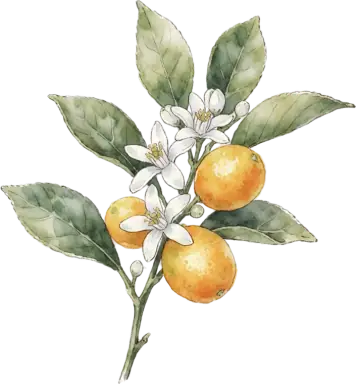 KumquatCitrus japonica
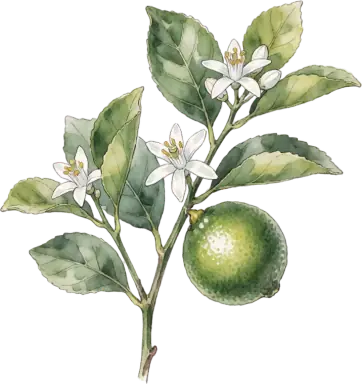 LimeCitrus × aurantiifolia / latifolia
 Norway SprucePicea abies
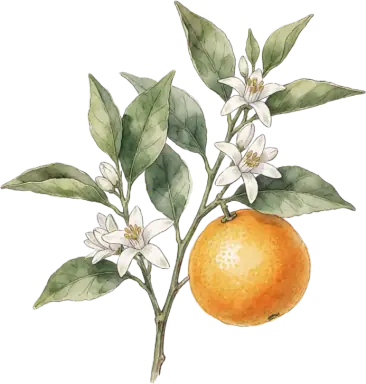 OrangeCitrus × sinensisindoors
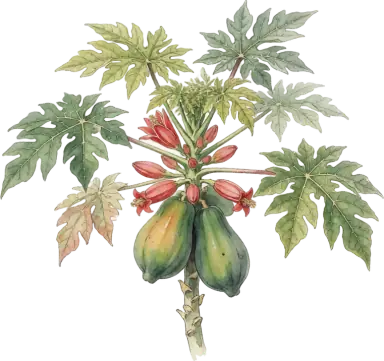 PapayaCarica papaya
shrubs5

vines5


perennials4
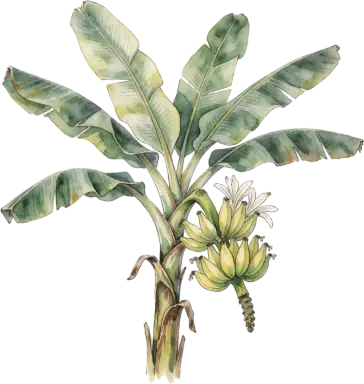

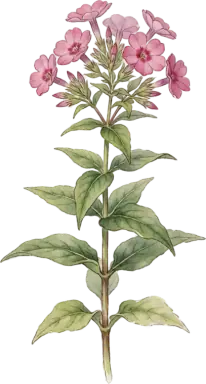
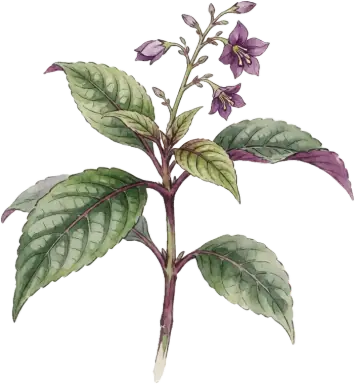
annuals4
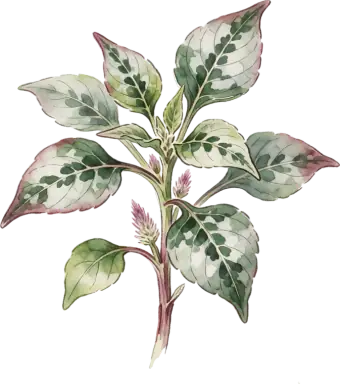
bulbs5
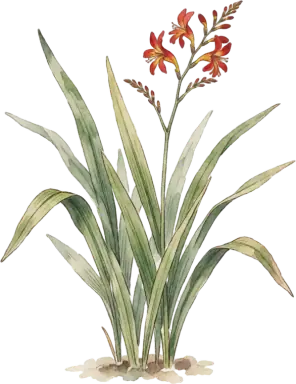
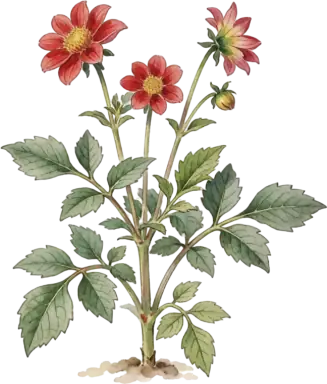

succulent1
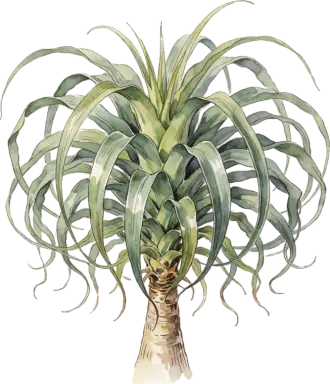
houseplants19
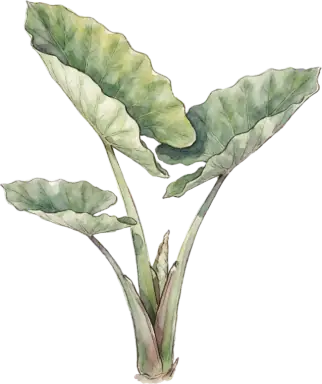
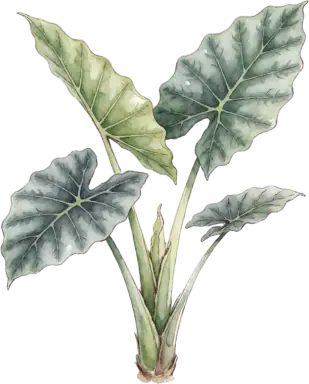 Alocasia (Elephant Ear)Alocasia × amazonicathe #1 killer
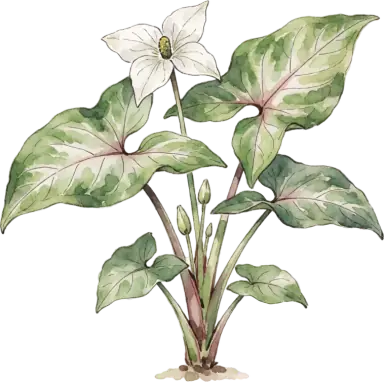 Arrowhead PlantSyngonium podophyllum
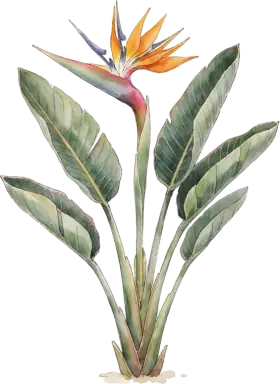 Bird of ParadiseStrelitzia reginae
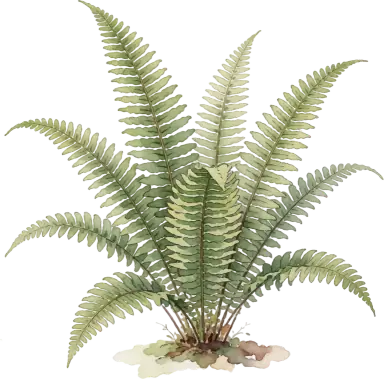 Boston FernNephrolepis exaltatadry air
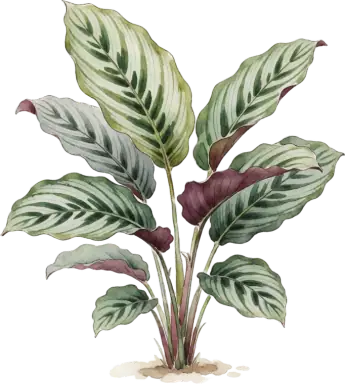 Calathea (Prayer Plant family)Goeppertia spp.the #1 killer in dry homes
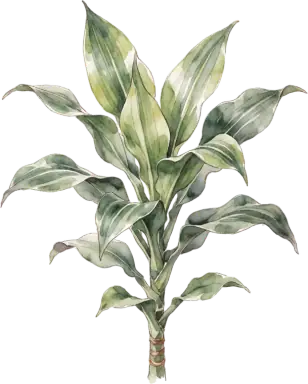 Corn PlantDracaena fragrans
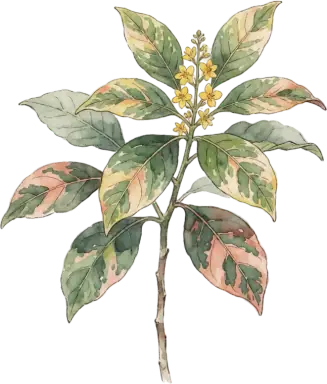 CrotonCodiaeum variegatum
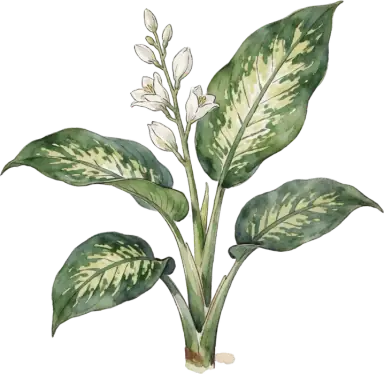 Dieffenbachia (Dumb Cane)Dieffenbachia seguine
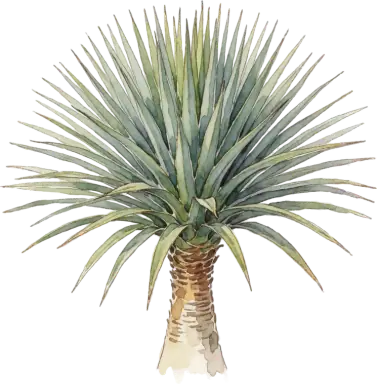 Dragon TreeDracaena marginata
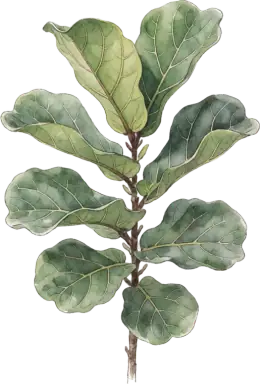 Fiddle-Leaf FigFicus lyrata
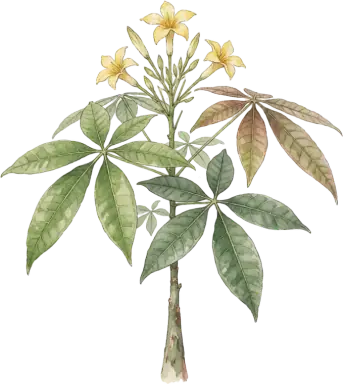 Money TreePachira aquatica
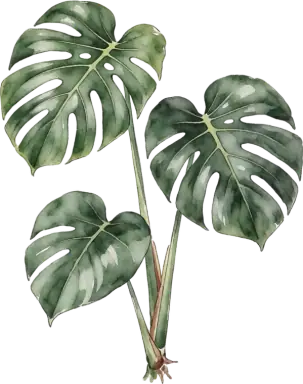 MonsteraMonstera deliciosa
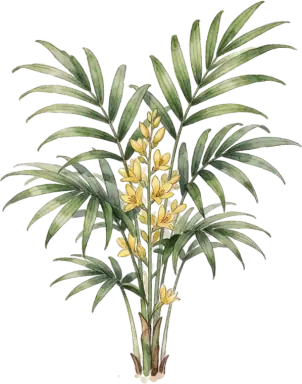 Parlor PalmChamaedorea elegansdry air
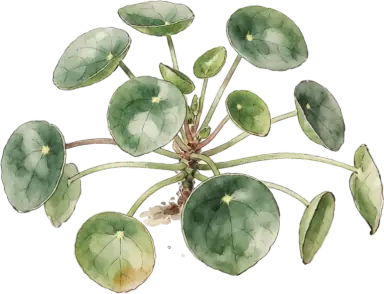 Pilea (Chinese Money Plant)Pilea peperomioides
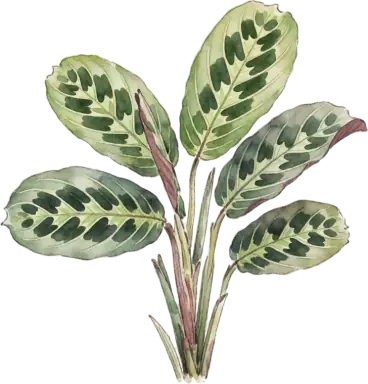 Prayer PlantMaranta leuconeuradry air!
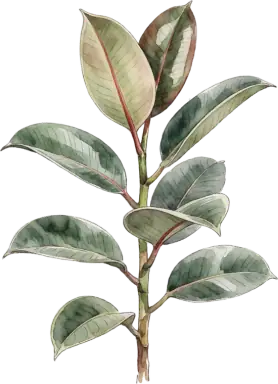 Rubber PlantFicus elastica
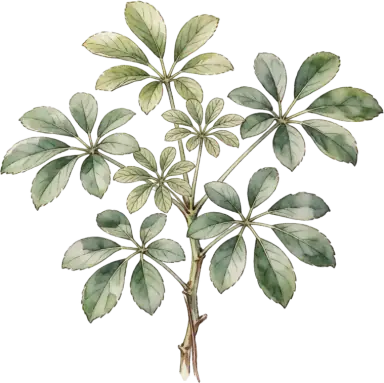 Schefflera (Umbrella Plant)Schefflera arboricolathe schefflera curse
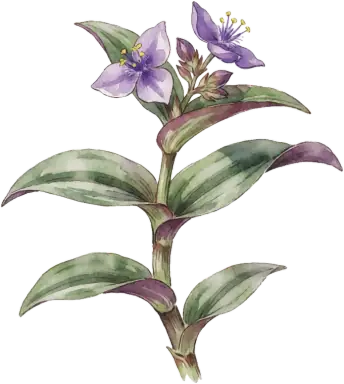 Wandering DudeTradescantia zebrina
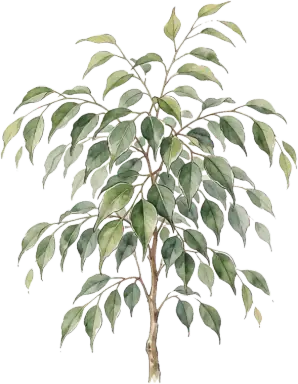 Weeping FigFicus benjamina
Plant families hit hardest
Related plants often share the same problems, so if one plant in a family has it, check the others. The largest group here is Araceae, with 6 of the 53 affected plants.
- Araceae6 plants
- Pinaceae4 plants
- Rutaceae4 plants
- Asparagaceae3 plants
- Asteraceae3 plants
- Moraceae3 plants
- Acanthaceae2 plants
- Araliaceae2 plants
When to treat
Treat as soon as you see the stippling. They build fastest in hot, dry spells.
Timing only — the label is the law
This page tells you when to watch for spider mites and when treating is worth considering. It is not a recommendation to apply any particular product. Read and follow the product label before you spray — under federal law the label is the legal instruction, and using a pesticide against it is illegal.
- Check the pre-harvest interval. Every product that’s cleared for an edible crop sets a minimum number of days between spraying and picking. Find it on the label before you spray anything you intend to eat.
- Check the re-entry interval before you or anyone else works in the treated area again, and use the protective equipment the label names.
- Confirm the product is registered for your crop in your state. This page groups many different crops together, and a product legal on one of them is not legal on all of them — state registrations differ too. Your state pesticide agency or local extension office can confirm both.
- Rates and mixing instructions come from the label, never from us. We don’t publish them because they differ by product and formulation.
Other problems on the same plants
If a plant gets spider mites, these are the problems it most often gets as well, so they are worth checking for while you are out there. They tend to appear together; one does not cause another.