Bartlett
Also known as Williams
Needs a pollinizer
- Chill
- 600–800 hrs
- Ripens
- Aug-Sept
- Zones
- 5-8
- Disease
- moderate
- Size
- standard
- Pollination
- group-3
the classic pear — Needs a compatible pollinizer (not Bosc/Seckel timing)
Where to buy ‘Bartlett’verified
Story Thyme Farms may earn a small commission from these links, at no cost to you — it never changes what we recommend.
Bosc
Needs a pollinizer
- Chill
- 500–600 hrs
- Ripens
- October
- Zones
- 5-9
- Disease
- moderate
- Size
- standard
- Pollination
- group-3
russeted and rich — A good keeper; needs a partner
Where to buy ‘Bosc’verified
Story Thyme Farms may earn a small commission from these links, at no cost to you — it never changes what we recommend.
Anjou
Also known as D'Anjou, Green Anjou, Beurre d'Anjou
Partly self-fertile
- Chill
- 700–800 hrs
- Ripens
- Sept-Oct
- Zones
- 5-8
- Disease
- susceptible to fireblight
- Size
- standard or semi-dwarf
- Pollination
- mid-season bloom; yields much better with a second variety
mild, sweet, juicy; long cold storage — One of the best-storing pears (keeps for months) and the highest-chill of the common European pears (~800 hrs), so a poor choice for mild-winter regions.
Where to buy ‘Anjou’verified
Story Thyme Farms may earn a small commission from these links, at no cost to you — it never changes what we recommend.
Comice
Also known as Doyenne du Comice, Christmas pear
Partly self-fertile
- Chill
- 300–600 hrs
- Ripens
- Oct
- Zones
- 5-9
- Disease
- moderate
- Size
- standard or semi-dwarf
- Pollination
- mid-season bloom; needs a second variety
the classic dessert pear: buttery, sweet, melting, aromatic — Widely considered the best-eating fresh pear; more finicky to grow and definitely wants a pollinizer. Chill need is on the lower side for a European pear (extension cites roughly 200-600 hrs).
Where to buy ‘Comice’verified
Story Thyme Farms may earn a small commission from these links, at no cost to you — it never changes what we recommend.
Seckel
Also known as Sugar Pear, Seckle
Partly self-fertile
- Chill
- 500–600 hrs
- Ripens
- Sept
- Zones
- 5-8
- Disease
- excellent (strong fireblight resistance)
- Size
- standard or semi-dwarf; naturally compact
- Pollination
- mid-season bloom; NOT a compatible pollinizer with Bartlett
tiny, intensely sweet, spicy; great for snacking and canning — A tough, fireblight-resistant heirloom perfect for kids and canning; partially self-fruitful but crops better with a pollinizer — just not Bartlett or Potomac (cross-incompatible).
Where to buy ‘Seckel’verified
Story Thyme Farms may earn a small commission from these links, at no cost to you — it never changes what we recommend.
Kieffer
Also known as Keiffer
Self-fertile
- Chill
- 350–400 hrs
- Ripens
- Oct
- Zones
- 4-9
- Disease
- excellent (very fireblight resistant)
- Size
- standard, vigorous and large
coarse, gritty, best cooked/canned rather than fresh — A nearly foolproof, self-fertile, fireblight-resistant communis x pyrifolia hybrid with low chill and wide adaptation, best for canning and preserves rather than dessert.
Where to buy ‘Kieffer’verified
Story Thyme Farms may earn a small commission from these links, at no cost to you — it never changes what we recommend.
Moonglow
Partly self-fertile
- Chill
- 500–700 hrs
- Ripens
- Aug-Sept
- Zones
- 5-8
- Disease
- excellent (bred for fireblight resistance)
- Size
- standard or semi-dwarf, upright
- Pollination
- mid-season bloom; needs a pollinizer, and itself serves as a good pollinizer for many other pears
soft, mild, mellow, low grit; good fresh — A USDA fireblight-resistant variety that ripens early; plant a second pear for reliable set. It is also a dependable pollinizer for Bartlett, Bosc, Seckel, and other European pears.
Where to buy ‘Moonglow’
Story Thyme Farms may earn a small commission from these links, at no cost to you — it never changes what we recommend.
Ayers
Partly self-fertile
- Chill
- 400–600 hrs
- Ripens
- Aug
- Zones
- 6-9
- Disease
- excellent (very fireblight resistant)
- Size
- standard or semi-dwarf
- Pollination
- mid-season bloom; needs a second variety
sweet, juicy, low grit; excellent fresh dessert pear for the South — A top pick for the Southeast: fireblight-resistant with a moderate chill need. Reported chill varies by source (roughly 400-600 hrs); plant a pollinizer for best set.
Where to buy ‘Ayers’verified
Story Thyme Farms may earn a small commission from these links, at no cost to you — it never changes what we recommend.
Harrow Sweet
Also known as AC Harrow Sweet
Partly self-fertile
- Chill
- 600–800 hrs
- Ripens
- Late Sept
- Zones
- 4-8
- Disease
- excellent (fireblight and mildew resistant)
- Size
- semi-dwarf on OHxF rootstock
- Pollination
- late bloom; plant with another late-blooming variety
smooth, juicy, sweet Bartlett-type; good fresh — A modern pear from Agriculture Canada's Harrow, Ontario program, combining Bartlett-like eating quality with strong fireblight resistance and good cold-hardiness. Late bloom, so pair with another late bloomer.
Where to buy ‘Harrow Sweet’
Story Thyme Farms may earn a small commission from these links, at no cost to you — it never changes what we recommend.
Shinseiki
Also known as New Century, Nijusseiki-derived
Self-fertile
- Chill
- 250–350 hrs
- Ripens
- Aug
- Zones
- 5-9
- Disease
- moderate
- Size
- semi-dwarf; easy to keep small
crisp, juicy, sweet, apple-like; eaten fresh and firm — A low-chill, self-fruitful Asian pear that fruits reliably even in mild-winter climates, making it one of the easiest pears for warm regions.
Where to buy ‘Shinseiki’verified
Story Thyme Farms may earn a small commission from these links, at no cost to you — it never changes what we recommend.
Hosui
Partly self-fertile
- Chill
- 400–500 hrs
- Ripens
- Aug
- Zones
- 5-9
- Disease
- susceptible to fireblight
- Size
- semi-dwarf
- Pollination
- mid-season bloom; plant with another Asian pear such as Shinseiki or 20th Century
russet-brown skin, rich sweet juicy low-acid; often rated best-tasting Asian pear — Considered the finest-flavored Asian pear, but it is fireblight-prone and yields best with a compatible pollinizer.
Where to buy ‘Hosui’verified
Story Thyme Farms may earn a small commission from these links, at no cost to you — it never changes what we recommend.
20th Century
Also known as Nijisseiki, Nijiseiki
Partly self-fertile
- Chill
- 300–450 hrs
- Ripens
- Aug-Sept
- Zones
- 5-9
- Disease
- moderate
- Size
- semi-dwarf
- Pollination
- mid-season bloom; sets far better with Shinseiki, Hosui, or Bartlett nearby
crisp, juicy, mild sweet-tart; refreshing eaten firm — The most widely grown Asian pear, prized for crisp juicy fruit and low chill; partially self-fruitful but give it a pollinizer for a full crop.
Where to buy ‘20th Century’
Story Thyme Farms may earn a small commission from these links, at no cost to you — it never changes what we recommend.
Warren
Partly self-fertile
- Chill
- 600–600 hrs
- Ripens
- Late season
- Zones
- 5-8
- Disease
- resistant to fire blight
- Size
- standard
- Pollination
- mid-spring bloom; partially self-fertile, but a pollinizer within 50 feet gives a much heavier crop
smooth and buttery with no grit, sweet and juicy — Found in Hattiesburg, Mississippi by horticulturist T.O. Warren, which is the pedigree behind its fire blight resistance - it is the dessert pear for humid Southern summers where Bartlett blights out.
Where to buy ‘Warren’verified
Story Thyme Farms may earn a small commission from these links, at no cost to you — it never changes what we recommend.
Harrow Delight
- Ripens
- Summer, about two weeks before Bartlett
- Zones
- 4-8
- Disease
- very resistant to fire blight and pear scab
- Size
- standard
- Pollination
- plant a second European pear as a pollinizer; pollination partners not established by the extension source
juicy and sweet, smooth with almost no grit cells — Bears young, though it still takes 2 to 3 years to its first fruit, and it tends to crop heaviest every other year. Pick before it ripens on the tree and finish it in storage for 5 to 7 days. No chill figure is published in the extension source, so it is left blank rather than carried over from a nursery catalog.
Where to buy ‘Harrow Delight’verified
Story Thyme Farms may earn a small commission from these links, at no cost to you — it never changes what we recommend.
Orient
Partly self-fertile
- Ripens
- Late July - early Aug
- Zones
- 8-9
- Disease
- very resistant to fire blight, resistant to leaf spot
- Size
- standard
- Pollination
- plant with a second pear such as Kieffer or Moonglow; sources disagree on self-fertility, so do not rely on a single tree
firm, best for canning and cooking rather than dessert — UF/IFAS lists it among the most fire blight resistant pears for Florida home gardens, and it is widely grown across the Gulf South and Texas. Two cautions on this row: the zone range is only the Florida recommendation and Orient is in fact grown well north of it, and the sources conflict on pollination - UF/IFAS lists it as needing no cross-pollination while Texas A&M calls the tree self-sterile, so plant a pollinizer. No chill figure is published in the extension source; Texas A&M describes the requirement only as low, in the range of 400 to 1200 hours.
Where to buy ‘Orient’
Story Thyme Farms may earn a small commission from these links, at no cost to you — it never changes what we recommend.
Hood
Self-fertile
- Chill
- 160–260 hrs
- Ripens
- Mid-July
- Zones
- 8-9
- Disease
- moderate resistance to fire blight
- Size
- standard
soft-fleshed eating pear, not a hard canning type — One of the two pears bred for the Deep South, and the standard pollination partner for Flordahome. Its very low chill requirement is the whole point - it fruits where a 600-hour pear never breaks dormancy properly.
Where to buy ‘Hood’
Story Thyme Farms may earn a small commission from these links, at no cost to you — it never changes what we recommend.
Flordahome
Also known as FlordaHome
Partly self-fertile
- Chill
- 150–150 hrs
- Ripens
- July - Aug
- Zones
- 8-9
- Disease
- resistant to fire blight and leaf spot
- Size
- standard
- Pollination
- partially self-fertile; the standard partner for Hood
soft, sweet eating pear — A UF/IFAS release for North and Central Florida home gardens. Pair it with Hood and each improves the other's crop.
Where to buy ‘Flordahome’
Story Thyme Farms may earn a small commission from these links, at no cost to you — it never changes what we recommend.
Baldwin
Needs a pollinizer
- Chill
- 150–150 hrs
- Ripens
- Late Aug - Sept
- Zones
- 8-9
- Disease
- moderate resistance to fire blight
- Size
- standard
- Pollination
- requires cross-pollination from another pear
dual purpose, good fresh and for canning — The latest of the low-chill Southern pears, which is exactly why it is worth planting alongside Hood and Flordahome - it stretches the harvest a month past them.
Where to buy ‘Baldwin’
Story Thyme Farms may earn a small commission from these links, at no cost to you — it never changes what we recommend.
Pineapple
Partly self-fertile
- Ripens
- Early Aug
- Zones
- 8-9
- Disease
- very resistant to fire blight
- Size
- standard
- Pollination
- partially self-fertile
hard and grainy, a canning and preserving pear — UF/IFAS rates it very fire blight resistant. It is a hard pear, so treat it as a preserving variety rather than a dessert one. No chill figure is published in the extension source, so it is left blank rather than guessed.
Where to buy ‘Pineapple’
Story Thyme Farms may earn a small commission from these links, at no cost to you — it never changes what we recommend.
Le Conte
Also known as LeConte
Needs a pollinizer
- Chill
- 250–300 hrs
- Ripens
- July - Aug
- Zones
- 8-9
- Disease
- somewhat susceptible to fire blight
- Size
- standard
- Pollination
- requires cross-pollination from another pear
sweet, softer than Kieffer — An old Southern homestead pear with better eating quality than Kieffer, but it is the most blight-prone of the low-chill group - plan on the dormant canker cuts and the copper spray, not on the variety saving you.
Where to buy ‘Le Conte’
Story Thyme Farms may earn a small commission from these links, at no cost to you — it never changes what we recommend.
Chojuro
Needs a pollinizer
- Ripens
- Late Aug
- Zones
- 5-9
- Disease
- better fire blight resistance than the smooth-skinned Asian pears
- Size
- 8-10 feet tall, 6-7 feet wide
- Pollination
- needs a second Asian pear cultivar for adequate pollination
crisp and juicy with a distinct butterscotch flavor — A russeted Japanese pear; russet Asian pears run more fire blight resistant than the smooth yellow or green Chinese types. Stores up to five months, which is unusual for an Asian pear. No chill figure is published in the extension source.
Where to buy ‘Chojuro’verified
Story Thyme Farms may earn a small commission from these links, at no cost to you — it never changes what we recommend.




 PruningIn February and March
 Bloom
Bloom










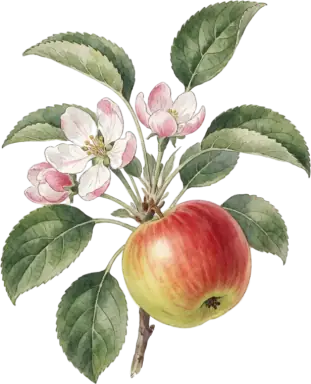 Apple
Apple Peach
Peach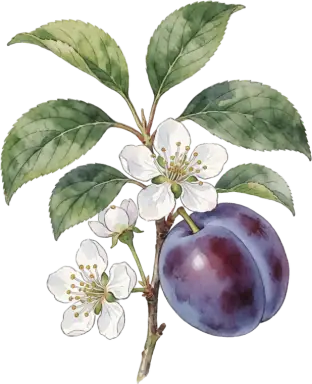 Plum
Plum Pluot
Pluot