The illustrated growing guide

Salad Burnet

Sanguisorba minor

Family Rosaceae

Est. zones 4-9

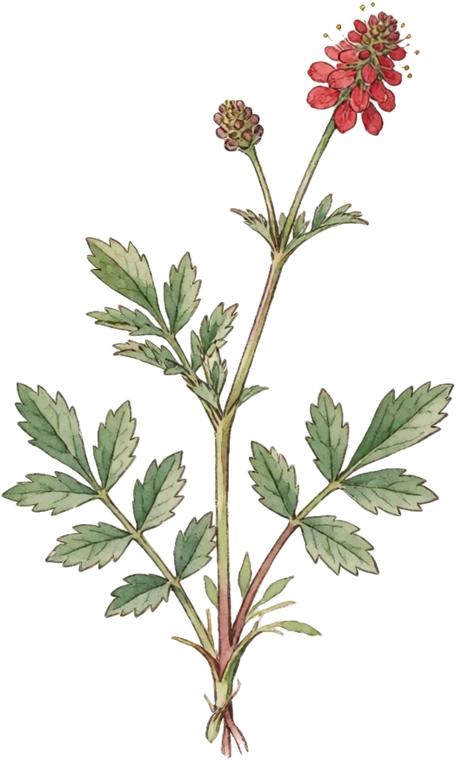
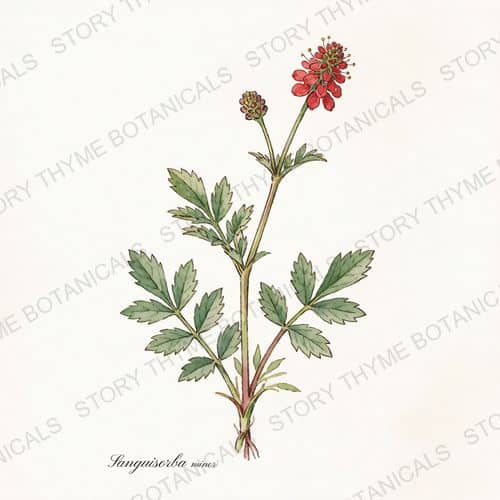
Botanical illustration of Salad Burnet
Perennial · Sanguisorba minor

The cucumber taste without the cucumber season — a low evergreen-ish perennial you can pick from even in a January thaw. Tuck young leaves into salads, dressings, and cool drinks. Tough, drought-proof, and quietly always-there.

PerennialFull Sun to Part ShadeDrought-tolerant · low waterModerate growth

Where to buy the plant — 1 nursery

I

Overview

Will salad burnet suit your garden, and what goes wrong.

Will it fruit where you are?

Enter your ZIP — we look up your USDA hardiness zone (2023 map) and check it against what salad burnet actually needs.

Hardy inZones 4-9

Salad Burnet at a glance

HardinessUSDA 4–9
Mature size1-2 ft
PollinationSmall red button blooms
Chill requirementNot yet established
Bloom seasonSpring (curious red pom-poms)
Harvest seasonCucumber-flavored leaves nearly year-round — one of the first fresh tastes of spring, stays green under snow
Growth rateModerate

Common salad burnet problems

  • Almost none
  • Few

II

Growing

Light, water, soil, propagation and the season’s jobs.

How to grow salad burnet: light, water & soil

LightFull Sun to Part Shade
WaterLow — drought-tolerant, evergreen-ish
SoilWell-drained, lime-tolerant · pH 6.0 - 8.0
FertilizerNone
PruningCut flower stalks to keep leaves tender — Snip flower stalks (leaves toughen after bloom); shear for fresh growth. Self-sows gently.
Spacing10-12 in

How to plant & propagate salad burnet

PropagateDivision or seed

The salad burnet growing playbook

Field-tested instructions for every job salad burnet asks of you, compiled from university extension guidance — in the order the season brings them.

Sowing

Sow seed in spring, or start a clump by division

Sow salad burnet seed directly in spring into average garden soil in full sun, or split a piece off an established clump instead. Fall sowing works equally well if you would rather set it out at the end of the season. Salad burnet comes readily from either seed or division, and a spring sowing gives the plant a full season to build the deep root that later carries it through dry spells.

Dividing

Divide the clump every three or four years

Every third or fourth spring, lift the clump and split it into pieces, keeping the roots as intact as you can, then replant the divisions. Skip this in the years between. An old clump loses vigor as its crown crowds itself. Dividing on a three to four year cycle restores it and gives you free plants.

Pruning

Pinch off the flower heads as they form

As soon as the red pom-pom flower heads appear on their stalks, snip them off at the base of the stalk. Keep after it through the flowering period rather than doing it once. Cutting the flowers off pushes the plant back into leaf instead of seed, which is the part you eat, and it stops the seed from ever ripening. Left to flower, salad burnet reseeds freely and turns weedy in a garden bed.

Harvesting

Pick the tender new leaves, and keep picking

Take the young, soft foliage from the center of the clump and leave the old outer leaves alone. Use it fresh, since the cucumber flavor does not survive drying. Growth starts early in spring and the plant stays green and usable into winter, so keep harvesting whenever new leaves are coming. Only the tender new foliage is worth eating. Older leaves turn tough and bitter, and regular picking keeps the plant producing the young growth you want.

III

The year

What salad burnet asks for, month by month.

The salad burnet year, month by month

MonthJanFebMarAprMayJunJulAugSepOctNovDec
Bloom
Harvest

What each band means

  • Bloomflowers open — pollinators working, frost on blossoms is the danger.
  • Harvestpicking time — check ripeness every few days.

The salad burnet year as text

  • Jan harvest
  • Feb harvest
  • Mar bloom, harvest
  • Apr bloom, harvest
  • May bloom, harvest
  • Jun harvest
  • Jul harvest
  • Aug harvest
  • Sep harvest
  • Oct harvest
  • Nov harvest
  • Dec harvest

These are the species' typical months — expect them a few weeks earlier in warm zones and later in cold ones. Watch the plant, not just the calendar.

IV

Ecology & uses

What it does for the garden, and what it is grown for.

Salad Burnet in the garden system

  • Herbaceous layer perennial
MoistureUpland / dry
DeerBrowsed — protect young plants
OriginIntroduced

What salad burnet is grown for

✓ Commonly eaten

UseCucumber-flavor garnish
UseWinter greens
UseCool drinks
Edible value3/5

Harvesting & storing salad burnet

Cucumber-flavored leaves nearly year-round — one of the first fresh tastes of spring, stays green under snow.

Edibility, identification, and traditional-use notes here are general reference — not medical or veterinary advice, and not a claim that any plant treats or prevents anything. Medicinal ratings record how strongly a plant features in herbal tradition, nothing more. Never eat or dose a plant you have not positively identified. More on how to use this library.

V

Cultivars

Named varieties of salad burnet, ruled as a catalogue.

Best salad burnet varieties & cultivars

Straight species (a traditional 'fines herbes' component)

VI

Sources & plant ID

Where the care distinctions come from, and how the plant is filed.

Research basis

Sources behind this profile

No extension citations are attached to salad burnetyet. The care figures below come from the library's own catalogue rather than a traced primary source.

Plant ID

BinomialSanguisorba minor
FamilyRosaceae
TypePerennial
USDA symbolSAMI3
OriginIntroduced
Invasive riskLow

VII

Where to buy

Third-party nurseries — not Story Thyme Farms.

Third-party nurseries, not Story Thyme Farms. Prices are theirs.

Story Thyme Farms may earn a small commission from these links, at no cost to you — it never changes what we recommend.

VIII

Questions

Salad Burnet questions, answered straight.

Is salad burnet safe for kids and pets?

Salad Burnet is commonly eaten and isn't considered toxic, but "commonly eaten" isn't a guarantee for any particular person or animal — allergies, quantity, and which part you eat all matter. Never eat a plant you haven't positively identified, and check with a vet before letting pets or livestock graze anything new.

When do you harvest salad burnet?

Cucumber-flavored leaves nearly year-round — one of the first fresh tastes of spring, stays green under snow.

How do you propagate salad burnet?

Division or seed.

IX

Elsewhere

Where salad burnet sits in the library.

Where salad burnet sits in the library

Grows in the same world