Saucer Magnolia
Magnolia × soulangeana
Family Magnoliaceae
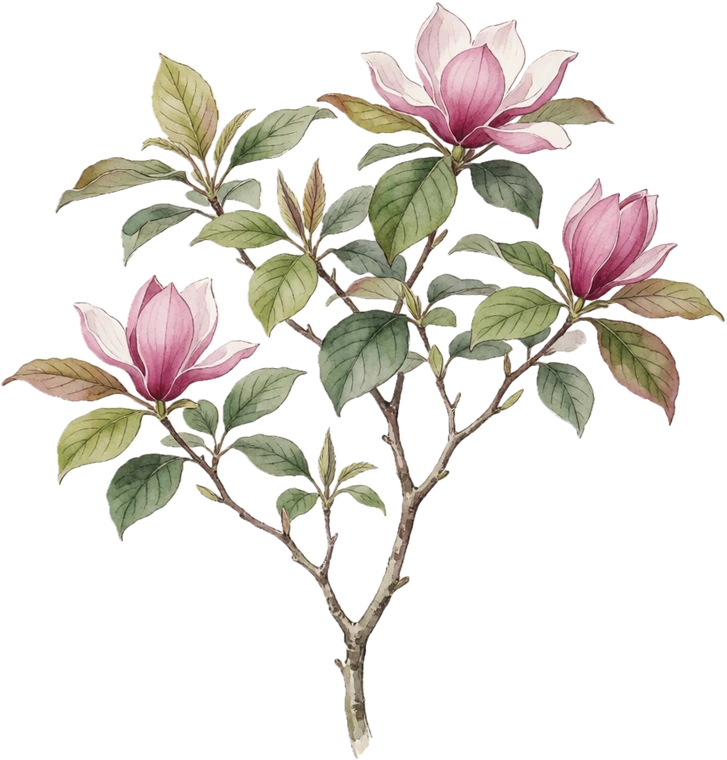
Saucer magnolia opens huge pink-and-white goblets on bare branches in earliest spring — a display so extravagant that traffic genuinely slows for it. It blooms before almost anything else in the yard dares to, which is both its glory and its one gamble.
The gamble is a late frost, which some years browns the open flowers — in frost-prone hollows, the later-blooming 'Jane' and 'Ann' hybrids dodge it. At twenty to thirty feet with a broad, low canopy, it fits real yards. When the bet pays, nothing in spring compares; place yours.
 Full Sun to Light Shade
 Moderate water
 Moderate growth
 Attracts bees
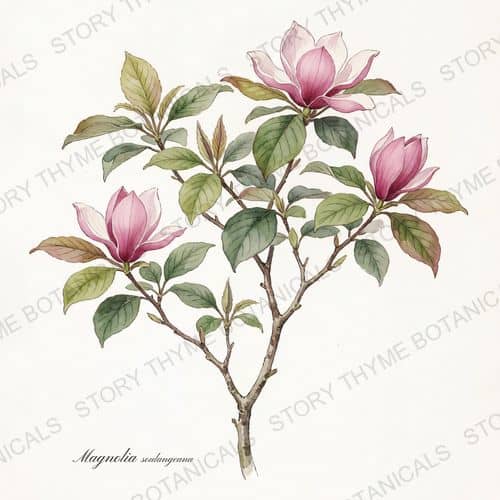
From the print shop
Growing saucer magnolia? Hang it.
Our Plant Library collection carries saucer magnolia — Magnolia soulangeana, print Nº 416, “Saucer Magnolia.”
526 designsfrom $12.99white or black backgroundmatte poster, unframed
Will it thrive where you are?
Enter your ZIP — we look up your USDA hardiness zone (2023 map) and check it against what saucer magnolia actually needs.
 Hardy inZones 4-9
Saucer Magnolia · Common problems
Common saucer magnolia problems

Pests
2 problems on file
- Scale
- Magnolia Scale (large, sappy)

Diseases
1 problem on file
- Almost none significant
Saucer Magnolia · Growing & propagation
Growing saucer magnolia
- Light
- Full Sun to Light Shade
- Water
- Moderate
Well-drained
 Soil
Soil- Rich, slightly acid, well-drained · pH 5.5 - 6.5
 Fertilizer
- Light spring feed
 Pruning
- After flowering (minimal)
Prune right after bloom if needed; it flowers on old wood. Site away from early-morning sun in frost pockets so thawing doesn't brown the buds.
 Spacing
- 20 ft
How to plant & propagate saucer magnolia
- Propagate
- Seed (stratify), cuttings, or layering
Saucer Magnolia · Seasonal care & spray guidance
The saucer magnolia growing playbook
When to spray saucer magnolia
Dormant season. Horticultural oil for magnolia scale.
Growing season. Oil for scale.
Saucer Magnolia · Calculators & field guides
A little help in the garden.
Saucer Magnolia · Yearly calendar
The saucer magnolia year, month by month
Jan
No calendar activity is listed for this month.
 Bloom
BloomBloomMarch to April
What each band means
- Bloom — flowers open — pollinators working, frost on blossoms is the danger.
These are the species' typical months — expect them a few weeks earlier in warm zones and later in cold ones. Watch the plant, not just the calendar.
Saucer Magnolia · Ecology & uses
Ecology & uses
Magnolia × soulangeana
Saucer Magnolia in the garden system
- Understory layer tree
 Attracts
- Bees
- Moisture
- Facultative / average
 Deer
Deer- Browsed
Protect young plants
 Origin
- Introduced
What saucer magnolia is grown for
✓ Not known to be toxic
 Use
Use- Early spring drama
- Use
- Specimen tree
- Use
- Small yards
Edibility, identification, and traditional-use notes here are general reference — not medical or veterinary advice, and not a claim that any plant treats or prevents anything. Medicinal ratings record how strongly a plant features in herbal tradition, nothing more. Never eat or dose a plant you have not positively identified. More on how to use this library.
Saucer Magnolia · Varieties & cultivars
Choosing a saucer magnolia variety
'Alexandrina', 'Rustica Rubra'; star magnolia (M. stellata) is smaller, later, more frost-safe; 'Ann'/'Jane' (later-blooming 'Little Girl' hybrids dodge frost)
Sources & plant identity
Know what you’re growing.
See where the knowledge comes from.
Saucer Magnolia
Magnolia × soulangeana
The plant, at a glance.
- Botanical name
- Magnolia × soulangeana
- Plant family
- Magnoliaceae
- Growth habit
- Tree · Perennial
- Origin
- Introduced
- Invasive risk
- Low
Hardiness, size and timing vary with your cultivar, soil and climate.
Rooted in research.
University extension research, brought together with hands-on growing experience at Story Thyme Farms.
for Saucer Magnolia
Research from these sources

Publisher marks identify sources, not sponsorship or endorsement.
Where to buy
Third-party nurseries — not Story Thyme Farms.
Third-party nurseries, not Story Thyme Farms. Prices are theirs.
Story Thyme Farms may earn a small commission from these links, at no cost to you — it never changes what we recommend.
Questions
Saucer Magnolia questions, answered straight.
Is saucer magnolia safe for kids and pets?
Saucer Magnolia is commonly eaten and isn't considered toxic, but "commonly eaten" isn't a guarantee for any particular person or animal — allergies, quantity, and which part you eat all matter. Never eat a plant you haven't positively identified, and check with a vet before letting pets or livestock graze anything new.
How do you propagate saucer magnolia?
Seed (stratify), cuttings, or layering.
Elsewhere
Where saucer magnolia sits in the library.
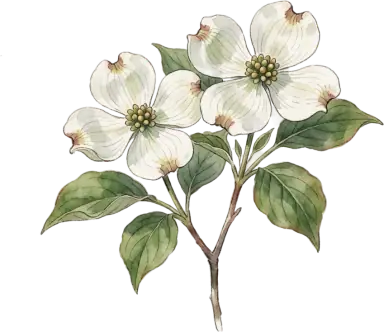 Flowering Dogwood
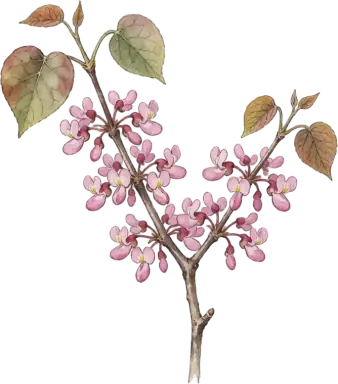 Eastern Redbud
 Crape Myrtle
 Maple
Maple