The illustrated growing guide
St. John's Wort
Hypericum perforatum
Family Hypericaceae
Est. zones 4-8

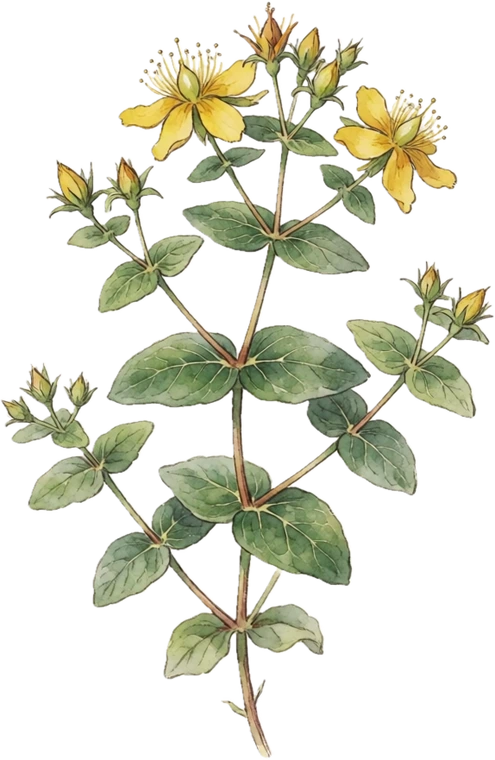
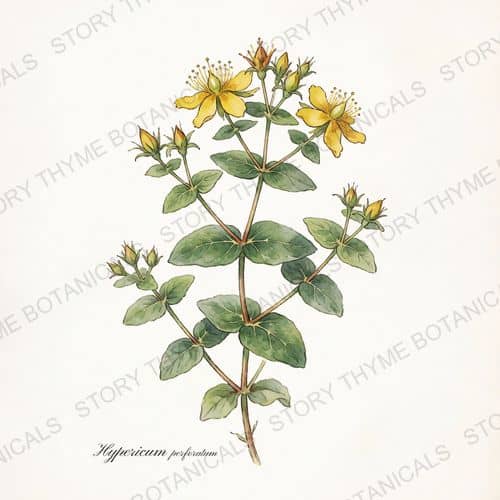
The solstice herb: crush a bud and it bleeds red oil. Centuries of mood-lifting tradition and real drug-interaction cautions — the row where your 'consult your doctor' footnote earns its keep. Buy perforatum specifically; garden-center Hypericum shrubs are ornamental.

From the print shop
Growing st. john's wort? Hang it.
Our Medicinal Herbs collection carries st. john's wort — Hypericum perforatum, print Nº 5, “St. Johns Wort.”
16 designsfrom $21.99white or black groundmatte poster, unframed
I
Overview
Will st. john's wort suit your garden, and what goes wrong.
Will it fruit where you are?
Enter your ZIP — we look up your USDA hardiness zone (2023 map) and check it against what st. john's wort actually needs.
St. John's Wort at a glance
Common st. john's wort problems
- Almost none
- Few
II
Growing
Light, water, soil, propagation and the season’s jobs.
How to grow st. john's wort: light, water & soil
How to plant & propagate st. john's wort
The st. john's wort growing playbook
Field-tested instructions for every job st. john's wort asks of you, compiled from university extension guidance — in the order the season brings them.
Sowing
Sow in spring on the soil surface, and expect no flowers the first year
Pick a full sun to part shade spot with well-drained, coarse-textured soil - this plant does poorly in wet ground. Press the tiny seed onto the surface rather than burying it, and keep it damp through establishment. Seed straight off the plant carries a dormancy that needs roughly four to six months of after-ripening, so use last season's seed or expect a slow, uneven stand. First-year seedlings grow slowly and will not flower or set seed, so your first real harvest is the second summer. The seed is about a millimeter long and needs light to germinate - it does not germinate in the dark - so seed buried in the dark simply banks itself instead of germinating. Fresh seed also needs an after-ripening period of about four to six months before it will come up well.
⚠ Hypericum perforatum is a listed noxious weed in seven US states and spreads by both seed and aggressive rhizomes - check with your state agriculture department or local extension office before planting it, and do not plant it where it can reach pasture, rangeland, or open disturbed ground.
Mulching
Lay grass litter around the patch to smother the seedling flush
Spread a layer of grass litter or similar fine organic mulch over the bare ground surrounding your planting, and keep competing perennial cover thick right up to the patch edge. A litter covering cuts both germination and shoot extension in this species, and seedling survival is already restricted by competition - bare disturbed soil is exactly the opening its seed bank waits for.
Pruning
Cut every remaining flower head before the seed capsules ripen
Once you have taken what you want, go back over the patch and cut off every flower head you left behind, before the three-part capsules turn deep reddish brown and split. Cutting several times across the season, rather than once, is what actually stops seed. Bag the cut heads and bin them - do not compost them. A single plant sets roughly 15,000 to 33,000 seeds, and by some accounts they stay viable in the soil for up to 50 years, so one missed season writes a seed bank you will be weeding out for decades.
⚠ The ripe capsules exude a sticky substance that glues seed to fur, boots, and bird feathers - this is how new colonies start down livestock trails, so clean tools and boots before leaving the patch.
What to watch for
Walk a yard out from the clump and dig any new crowns whole
Each spring, check the ground out to about three feet beyond the edge of the clump for new shoots that came up on their own. Lift any you find with the root attached rather than chopping or rototilling through them, and follow the runner back toward the parent plant as you dig. Lateral roots run three feet or more from the parent an inch or two under the surface, and when those roots are injured they push buds that become whole new crowns - so a blade through a runner multiplies the plant instead of killing it.
⚠ Root fragments left in the soil resprout from as deep as two inches, so rake out and remove what you cut loose rather than turning it back in.
Harvesting
Cut the flowering tops while the plant is in full bloom
Take the top several inches of flowering stem - buds, flowers, and the upper leaves together - while the patch is in bloom, which lands near the summer solstice in most of its range. Pinch a petal to check you are on time: the black glands should smear dark red on your fingers. Work with the material fresh for infused oils, tinctures, and pressed juice, and dry the tops if you want tea. Hypericin sits in the small black glands on the flowers, buds, and leaves, so the flowering top is the part worth cutting - the woody lower stem carries little of it.
⚠ Drug interactions are the single most important risk of taking St. Johnswort medicinally, and some are serious - anyone on prescription medication should clear it with a physician or pharmacist first. Hypericin is also a photosensitizer: it blisters light-skinned livestock that eat it and can affect horses on skin contact alone, so keep cut tops and drying racks away from animals.
III
The year
What st. john's wort asks for, month by month.
The st. john's wort year, month by month
What each band means
- Bloom — flowers open — pollinators working, frost on blossoms is the danger.
- Prune — shape it now — cuts heal cleanly and structure is visible.
The st. john's wort year as text
- Jan quiet month
- Feb quiet month
- Mar pruning
- Apr pruning
- May pruning
- Jun bloom
- Jul bloom
- Aug quiet month
- Sep quiet month
- Oct quiet month
- Nov quiet month
- Dec quiet month
These are the species' typical months — expect them a few weeks earlier in warm zones and later in cold ones. Watch the plant, not just the calendar.
IV
Ecology & uses
What it does for the garden, and what it is grown for.
St. John's Wort in the garden system
- Herbaceous layer perennial
- Nectary/insectary
What st. john's wort is grown for
! Some parts toxic — see notesInteracts with MANY medications (a real caution); photosensitizes grazing livestock
Harvesting & storing st. john's wort
Flowering tops at peak bloom — the traditional red-infused oil and mood tea.
Edibility, identification, and traditional-use notes here are general reference — not medical or veterinary advice, and not a claim that any plant treats or prevents anything. Medicinal ratings record how strongly a plant features in herbal tradition, nothing more. Never eat or dose a plant you have not positively identified. More on how to use this library.
V
Cultivars
Named varieties of st. john's wort, ruled as a catalogue.
Best st. john's wort varieties & cultivars
Medicinal perforatum (hold a leaf to light — perforated with oil dots); ornamental Hypericum 'Hidcote' is a different, non-medicinal shrub
VI
Sources & plant ID
Where the care distinctions come from, and how the plant is filed.
Research basis
Sources behind this profile
No extension citations are attached to st. john's wortyet. The care figures below come from the library's own catalogue rather than a traced primary source.
Plant ID
VII
Where to buy
Third-party nurseries — not Story Thyme Farms.
Third-party nurseries, not Story Thyme Farms. Prices are theirs.
Story Thyme Farms may earn a small commission from these links, at no cost to you — it never changes what we recommend.
VIII
Questions
St. John's Wort questions, answered straight.
Is st. john's wort safe for kids and pets?
With care. Interacts with MANY medications (a real caution); photosensitizes grazing livestock Site it accordingly if children or pets roam the garden. This is general reference, not medical or veterinary advice — call a vet or poison control if something has actually been eaten.
When do you harvest st. john's wort?
Flowering tops at peak bloom — the traditional red-infused oil and mood tea.
How do you propagate st. john's wort?
Division or seed.
IX
Elsewhere
Where st. john's wort sits in the library.
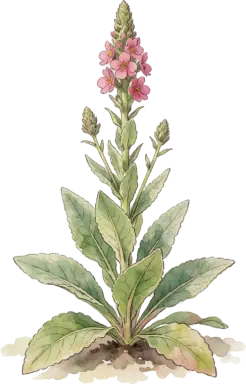
Mullein
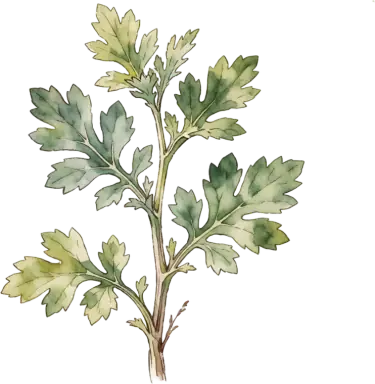
Feverfew
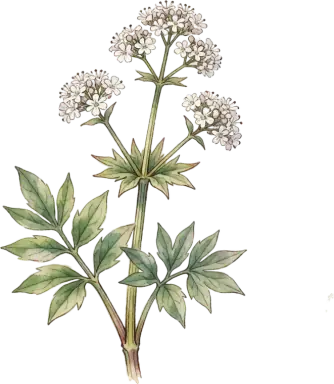
Valerian
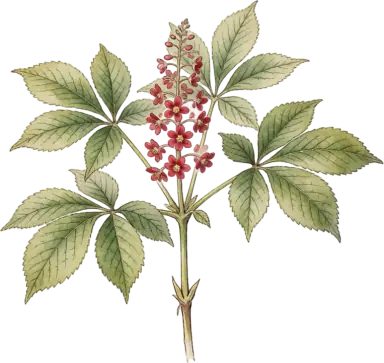
American Ginseng