The illustrated growing guide

Fennel

Foeniculum vulgare

Family Apiaceae

Est. zones 4-9

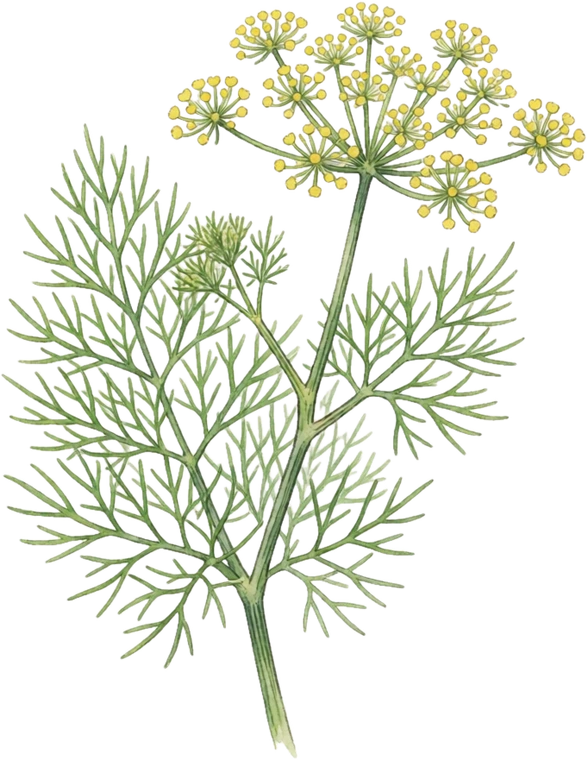
Botanical illustration of Fennel
Perennial · Foeniculum vulgare

Keep it AWAY from the vegetable beds — fennel chemically sulks most neighbors (allelopathy). Give it its own corner where the wasps, swallowtails, and anise-scented everything can shine.

PerennialFull SunModerate waterFast growthExcellent edibleAttracts butterfliesAttracts bees

Where to buy the plant — 3 nurseries

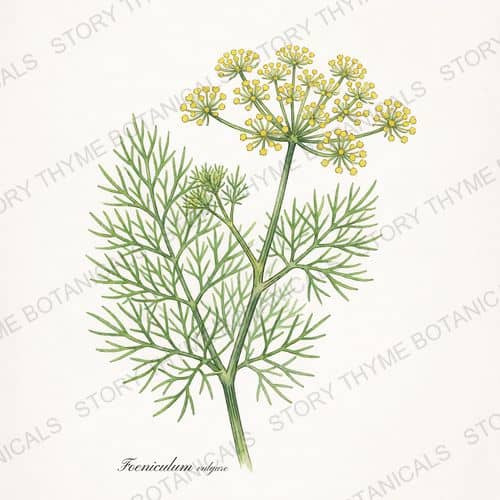
Fennel — a print from the Tea Herbs collection

From the print shop

Growing fennel? Hang it.

Our Tea Herbs collection carries fennelFoeniculum vulgare, print Nº 12, “Fennel.”

16 designsfrom $21.99white or black groundmatte poster, unframed

Shop Tea Herbs botanical prints →

I

Overview

Will fennel suit your garden, and what goes wrong.

Will it fruit where you are?

Enter your ZIP — we look up your USDA hardiness zone (2023 map) and check it against what fennel actually needs.

Hardy inZones 4-9

Fennel at a glance

HardinessUSDA 4–9
Mature size3-5 ft (herb); 2 ft (bulb)
PollinationUmbels are beneficial-wasp central; swallowtail host
Chill requirementNot yet established
Bloom seasonSummer (herb type)
Harvest seasonFronds anytime; bulbs at tennis-ball size (fall crop bolts less); seed in September
Growth rateFast

Common fennel problems

II

Growing

Light, water, soil, propagation and the season’s jobs.

How to grow fennel: light, water & soil

LightFull Sun
WaterModerate
SoilRich, moist for bulbs; any for herb · pH 5.5 - 6.8
FertilizerLight for herb; steady for bulbing
PruningNone — Bulb type: hill soil over the swelling base for blanching.
Spacing10-12 in

How to plant & propagate fennel

Maturity80-100 days (bulb)
From seedDirect-sow for fall bulbs (bolts in spring heat); keep away from other crops
PropagateFrom seed or division

The fennel growing playbook

Field-tested instructions for every job fennel asks of you, compiled from university extension guidance — in the order the season brings them.

Sowing

Direct sow herb fennel after the last frost

Once hard frost has passed, soak the seed a day or two and direct sow a quarter inch deep where the plants will stay, thinning seedlings to 4-6 inches apart when they are about 2 inches tall. Do not start it in pots and move it later. Fennel drives a deep taproot early and transplants badly once that root is disturbed, and root disturbance is itself a trigger for bolting.

Fennel sap irritates the skin of sensitive people, so wear gloves if you handle cut stems for long.

Florence fennel: sow midsummer for a fall bulb crop

Sow bulbing fennel in midsummer, a quarter inch deep in loamy well-drained soil at pH 6.5 to 8. Count back your variety's days to maturity from your first fall frost — most Florence types run 60 to 90 days — and add a couple of weeks of slack; fennel tolerates light frost, so the crop does not have to be finished before frost arrives. Thin to 8-12 inches apart once the bases start to swell so each bulb has room. Spring-sown Florence fennel runs to flower in the long days and heat of midsummer and the bulb never forms, while a midsummer sowing does its bulbing in the cooling, shortening days of late summer and fall.

Watering

Keep fennel evenly wet or it will bolt

Give fennel 1 to 2 inches of water a week and never let the soil dry out between waterings. Dry spells are what push a first-year plant into flowering, and once a Florence fennel bolts the bulb turns stringy and splits and no amount of water brings it back.

Mulching

Hill soil around the swelling bulb to blanch it

As the bulb enlarges, mound loose soil up around its base, leaving the fronds exposed. Light turns the exposed leaf bases green and coarse, and burying them keeps the bulb white, tender and milder in flavor.

Feeding

Side-dress nitrogen as the bulbs begin to swell

When the stem bases start to thicken, side-dress about 3 tablespoons of a nitrogen fertilizer such as 21-0-0 per 10 feet of row and water it in. Phosphorus and potassium are usually already sufficient, so add them only if a soil test calls for them. The bulb is built almost entirely during this swelling phase, and nitrogen is the nutrient that limits how thick those leaf bases get.

What to watch for

Check for caterpillars, aphids and crown rot, but leave the swallowtails

Look over the foliage every week or two for aphids and for striped green caterpillars. Knock aphids off with a hard spray of water or treat a heavy infestation with insecticidal soap. Leave the caterpillars alone, or move them to a spare plant. Also check the crown and stem base for soft, brown or collapsing tissue, especially after a wet spell — that is stem and root rot, and the fix is drainage, not a spray. Fennel is a larval host for black and anise swallowtails, especially the bronze types, and even a plant chewed bare recovers. Aphids and slugs are the only other regular insect pests, but stem and root rot in wet or poorly drained soil is the one problem that actually kills the plant.

Never spray any insecticide, including soap, on open fennel umbels. The flowers are heavily worked by bees and by the tiny parasitic wasps and hoverflies that control aphids in the rest of the garden.

Harvesting

Cut the bulb at tennis-ball size, before it bolts

Harvest once the bulb is firm and about the size of a tennis ball, under 4 inches across, by cutting with a knife just above the taproot. Snip fronds for the kitchen any time along the way. A bulb left past this point starts elongating toward flower, and the tight overlapping bases loosen and go fibrous. Firm and slightly small beats large and stringy.

Cut the umbels as they brown, for seed or to stop reseeding

Cut the seed heads as soon as they turn brown and before they shatter, on a dry afternoon. For seed, hang the cut heads in a paper bag in a cool airy place and collect what falls. If you do not want seed, cut and remove the spent umbels anyway. Ripe fennel seed drops on its own within days of browning, and fennel self-seeds freely and has escaped gardens and naturalized. In mild-winter regions it is genuinely invasive, so removing the heads is the whole control.

III

The year

What fennel asks for, month by month.

The fennel year, month by month

MonthJanFebMarAprMayJunJulAugSepOctNovDec
Bloom
Harvest

What each band means

  • Bloomflowers open — pollinators working, frost on blossoms is the danger.
  • Harvestpicking time — check ripeness every few days.

The fennel year as text

  • Jan harvest
  • Feb harvest
  • Mar harvest
  • Apr harvest
  • May harvest
  • Jun bloom, harvest
  • Jul bloom, harvest
  • Aug bloom, harvest
  • Sep harvest
  • Oct harvest
  • Nov harvest
  • Dec harvest

These are the species' typical months — expect them a few weeks earlier in warm zones and later in cold ones. Watch the plant, not just the calendar.

IV

Ecology & uses

What it does for the garden, and what it is grown for.

Fennel in the garden system

  • Herbaceous layer perennial
  • Nectary/insectary
  • Hosts Black swallowtail butterfly
AttractsButterflies, Bees
MoistureFacultative / average
DeerBrowsed — protect young plants
OriginIntroduced

What fennel is grown for

✓ Commonly eaten

UseBulb roasting
UseSeed spice
UseBeneficials
Edible value4/5

Harvesting & storing fennel

Fronds anytime; bulbs at tennis-ball size (fall crop bolts less); seed in September. About 80-100 days (bulb) from planting.

Edibility, identification, and traditional-use notes here are general reference — not medical or veterinary advice, and not a claim that any plant treats or prevents anything. Medicinal ratings record how strongly a plant features in herbal tradition, nothing more. Never eat or dose a plant you have not positively identified. More on how to use this library.

V

Cultivars

Named varieties of fennel, ruled as a catalogue.

Best fennel varieties & cultivars

6 on file

Named varieties of fennel differ in winter-chill needs, ripening time, hardiness, and whether they set fruit on their own — pick one that fits your climate.

Zefa Fino

Zones4-9SizeLarge firm bulb

Sweet anise — Open-pollinated Florence type and the standard bolt-resistant bulbing fennel, fast enough to fit a short season.

Where to buy ‘Zefa Fino

Story Thyme Farms may earn a small commission from these links, at no cost to you — it never changes what we recommend.

Perfection

Zones4-9SizeVery thick bulb

Best raw flavor in Fedco 2021 trials — Open-pollinated Florence type that stands 5-7 days longer than Zefa Fino before bolting and suits cool soils, so it is the open-pollinated answer to the pricey hybrids.

Where to buy ‘Perfection

Story Thyme Farms may earn a small commission from these links, at no cost to you — it never changes what we recommend.

Orion · Orion Hybrid

Zones4-9SizeLarge uniform bulb

Vigorous Florence hybrid noted for uniform growth, and its bulbs keep well after harvest. Bolt resistance is not documented for it, so treat it as a midsummer-sown fall crop rather than a spring planting.

Where to buy ‘Orion

Story Thyme Farms may earn a small commission from these links, at no cost to you — it never changes what we recommend.

Cantino

Zones4-9

Florence type selected for bolt resistance under the long days that wreck a spring-sown crop.

Where to buy ‘Cantino

Story Thyme Farms may earn a small commission from these links, at no cost to you — it never changes what we recommend.

Trieste

Zones4-9

French Florence hybrid, the slowest of the common bulbing types, so it wants a long fall.

Where to buy ‘Trieste

Story Thyme Farms may earn a small commission from these links, at no cost to you — it never changes what we recommend.

Purpureum · Bronze Fennel

Zones4-9SizeUp to 6 feet tall

Anise — Herb type grown for foliage and seed rather than a bulb, with purple-bronze new growth. One of several dark-foliage cultivars alongside 'Bronze', 'Giant Bronze' and 'Smokey', which are separate selections rather than other names for this one. Readily fed on by swallowtail caterpillars, which the plant recovers from.

Where to buy ‘Purpureum

Story Thyme Farms may earn a small commission from these links, at no cost to you — it never changes what we recommend.

VI

Sources & plant ID

Where the care distinctions come from, and how the plant is filed.

Research basis

Sources behind this profile

No extension citations are attached to fennelyet. The care figures below come from the library's own catalogue rather than a traced primary source.

Plant ID

BinomialFoeniculum vulgare
FamilyApiaceae
TypePerennial
USDA symbolFOVU
OriginIntroduced
Invasive riskLow

VII

Where to buy

Third-party nurseries — not Story Thyme Farms.

Third-party nurseries, not Story Thyme Farms. Prices are theirs.

Story Thyme Farms may earn a small commission from these links, at no cost to you — it never changes what we recommend.

VIII

Questions

Fennel questions, answered straight.

Is fennel safe for kids and pets?

Fennel is commonly eaten and isn't considered toxic, but "commonly eaten" isn't a guarantee for any particular person or animal — allergies, quantity, and which part you eat all matter. Never eat a plant you haven't positively identified, and check with a vet before letting pets or livestock graze anything new.

When do you harvest fennel?

Fronds anytime; bulbs at tennis-ball size (fall crop bolts less); seed in September. From planting, expect about 80-100 days (bulb) to maturity.

How do you propagate fennel?

From seed or division.

IX

Elsewhere

Where fennel sits in the library.

Where fennel sits in the library

Grows in the same world