Aphids
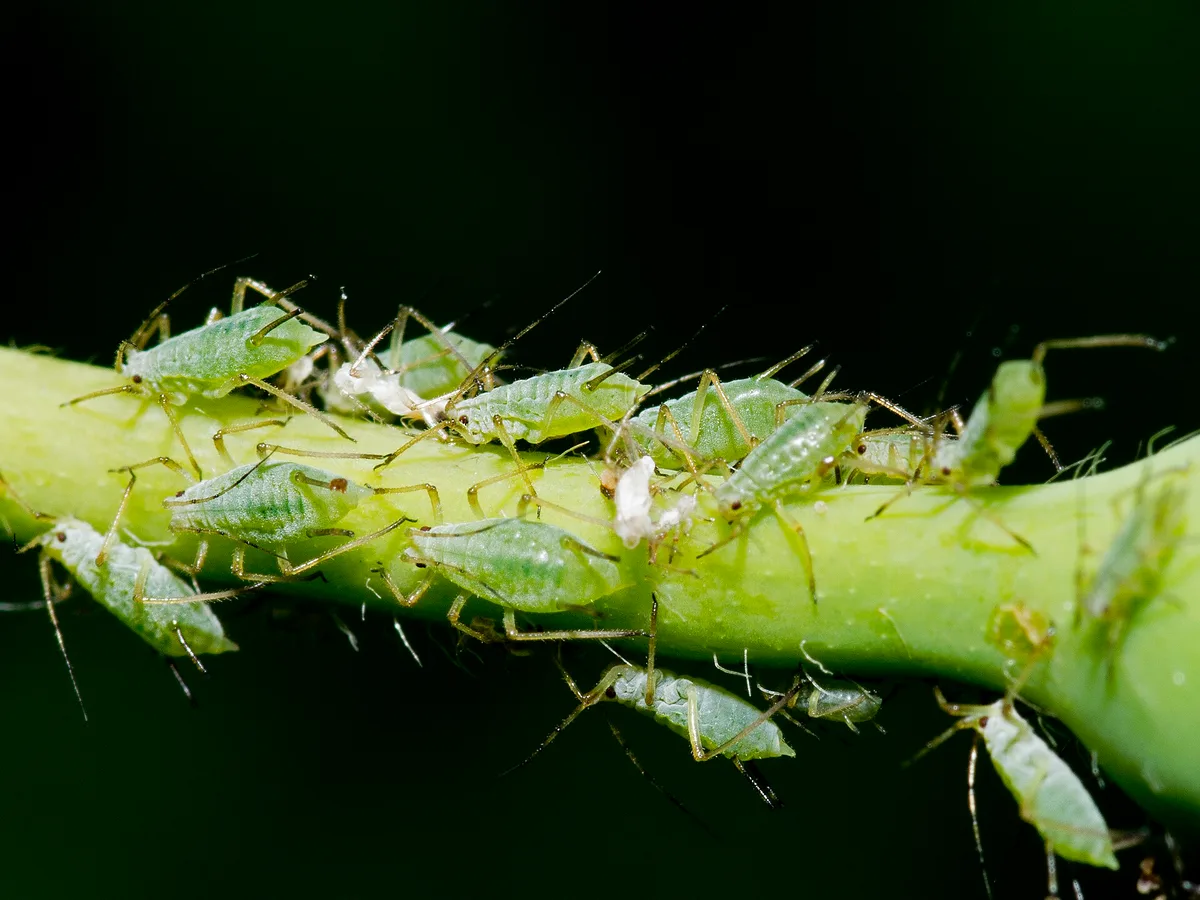
Soft pin-head-sized insects in green, black, or pink, clustered thick on new shoots and the undersides of young leaves. Leaves curl and stick with the honeydew they excrete, which also invites black sooty mold and ants.
Pest checklist
Four things to look for. If most of them match what you are holding, you are in the right place.
What gets rid of them
Gentlest option first. For most backyard cases the first one is enough, so try these in order and stop as soon as it works. If you do spray something, the product label tells you how — please read the notice further down.
1Blast them off with water
A hard hose spray every few days knocks colonies off faster than they reestablish; most never climb back.
Try this first2Insecticidal soap
Coats and dries out the soft bodies on contact. Spray the undersides where they cluster.
insecticidal soap spray3Let the predators build up
Ladybugs and lacewings eat aphids steadily, so stop spraying and let them arrive. Bought ladybugs are adults only and most fly off within two days, so they are a weak substitute for resident ones.
4Neem or horticultural oil
Smothers what soap misses and slows the next generation.
neem oil concentrate plants
As an Amazon Associate, Story Thyme Farms earns from qualifying purchases, at no cost to you. It never changes what we recommend.
Which plants get aphids
Every plant we cover that gets aphids, grouped by type — tap any one to open its page. A note beside a plant came from that plant’s own entry, because the same pest can be a minor nuisance on one plant and a serious problem on another. Plenty of plants we do not cover get it too.
trees14
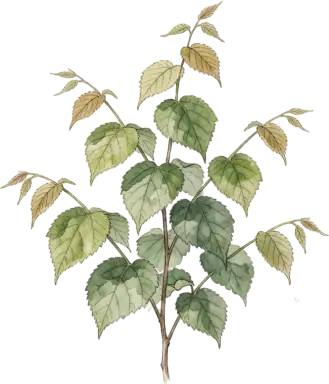 American Linden (Basswood)Tilia americanahoneydew
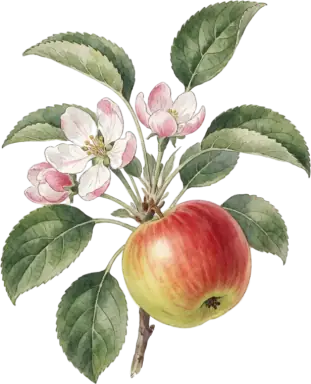 AppleMalus domestica
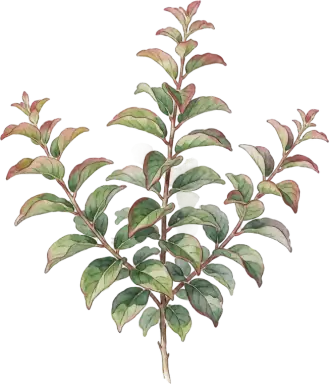 Crape MyrtleLagerstroemia indica hybrids
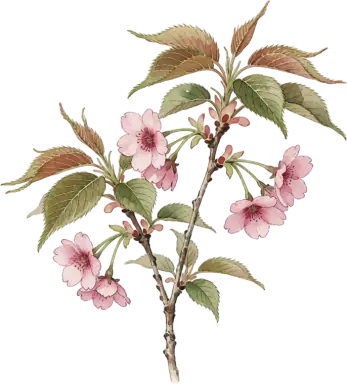 Flowering CherryPrunus × yedoensis / serrulata
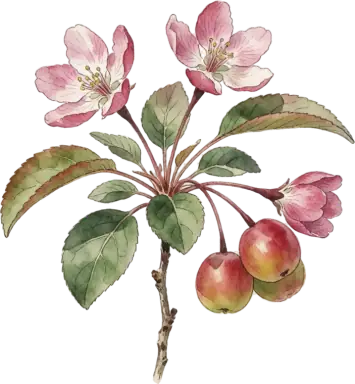 Flowering CrabappleMalus hybrids
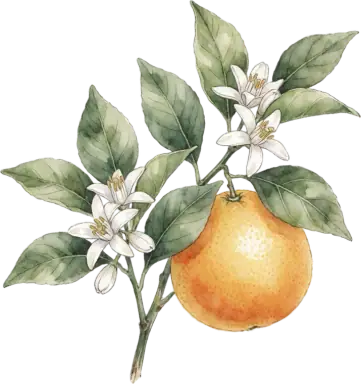 GrapefruitCitrus × paradisi
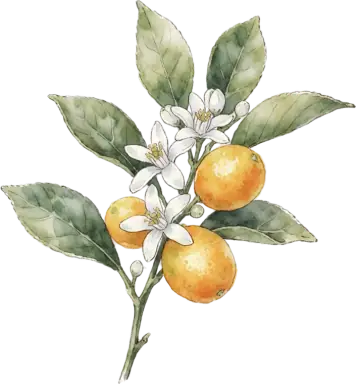 KumquatCitrus japonica
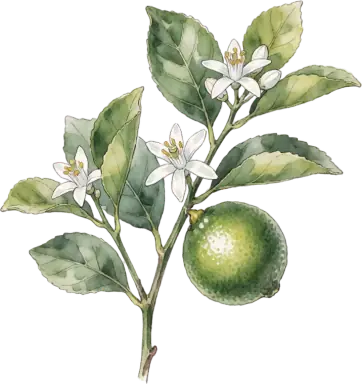 LimeCitrus × aurantiifolia / latifolia
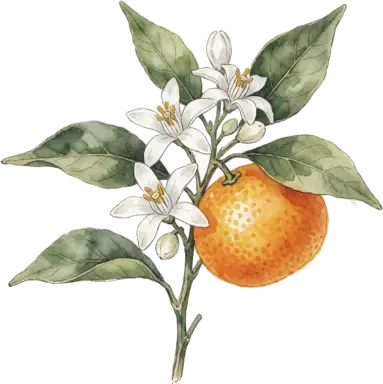 Mandarin / TangerineCitrus reticulata
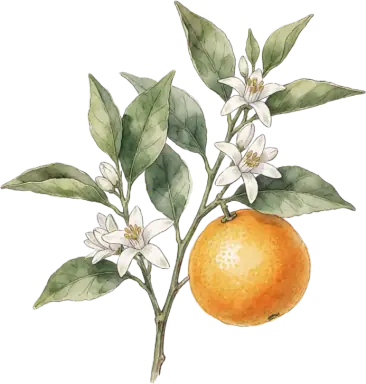 OrangeCitrus × sinensis
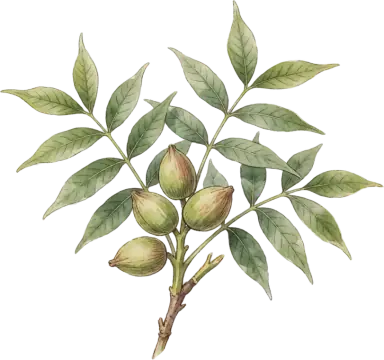 PecanCarya illinoinensis
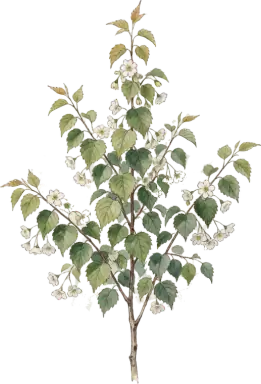 River BirchBetula nigrahoneydew drip — don't park under
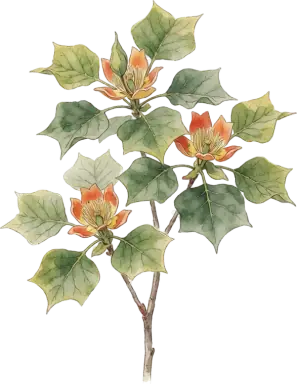 Tulip PoplarLiriodendron tulipiferahoneydew mist in droughty summers
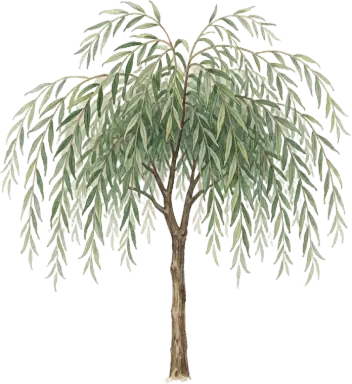 Weeping WillowSalix babylonica / alba hybrids
shrubs10
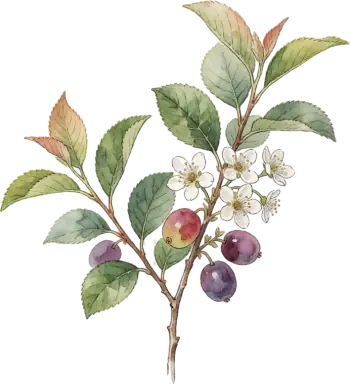 Beach PlumPrunus maritimalighter than orchard plums
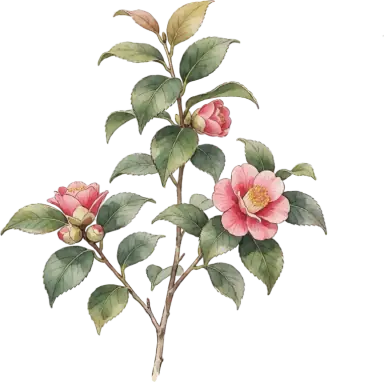 Camellia (Japonica)Camellia japonica
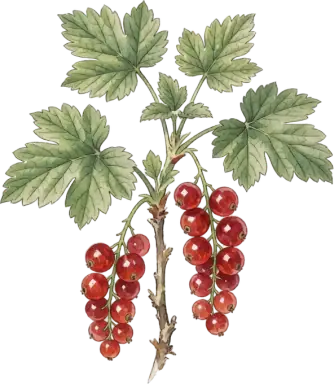 CurrantRibes spp.
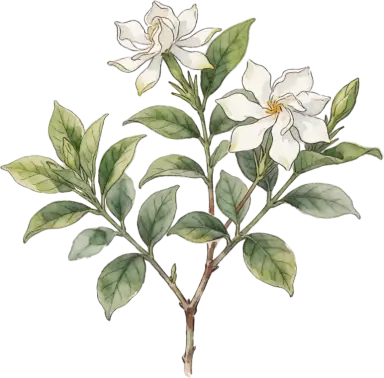 GardeniaGardenia jasminoides
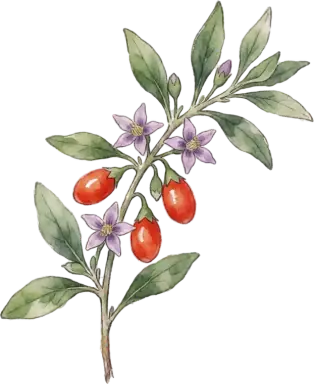 Goji BerryLycium barbarum
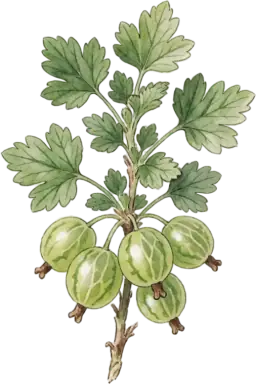 GooseberryRibes uva-crispa
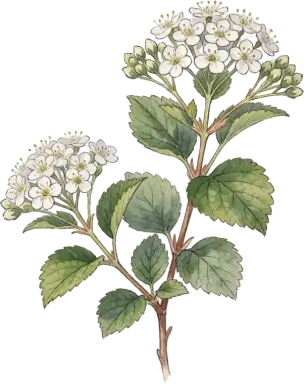 NinebarkPhysocarpus opulifoliuson tips — beneficials usually handle
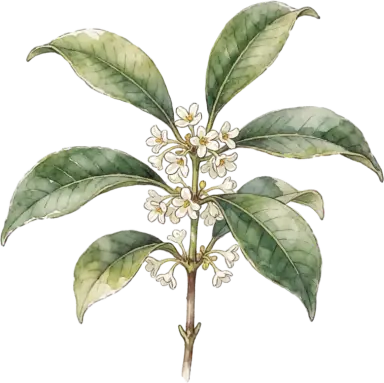 OsmanthusOsmanthus fragrans
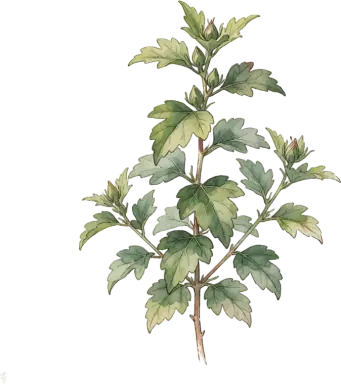 Rose of SharonHibiscus syriacus
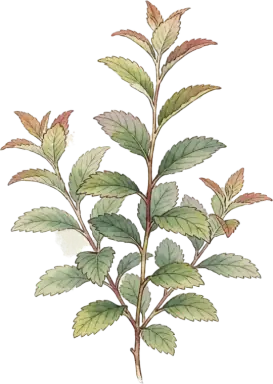 SpireaSpiraea japonica / × vanhoutteiminor
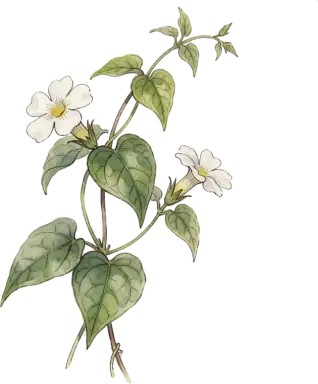
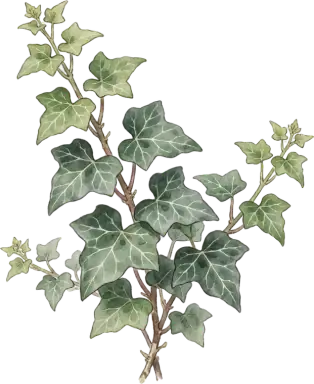
vines6
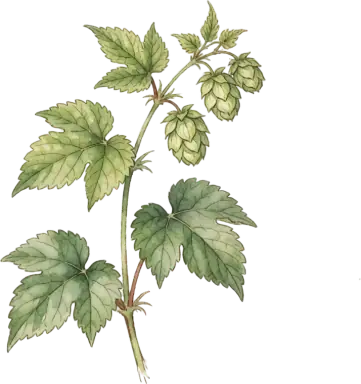
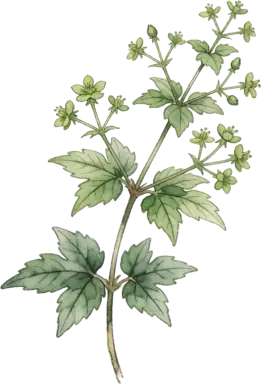
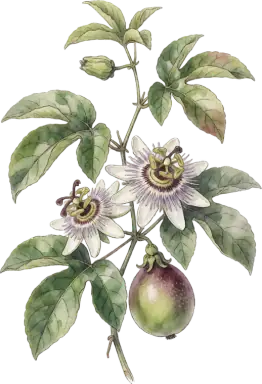
perennials22
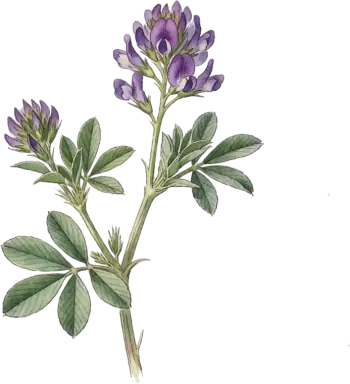 AlfalfaMedicago sativa
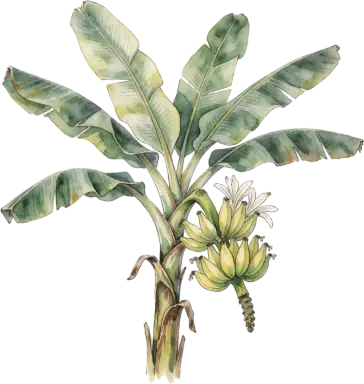 Banana (Edible)Musa acuminata hybrids
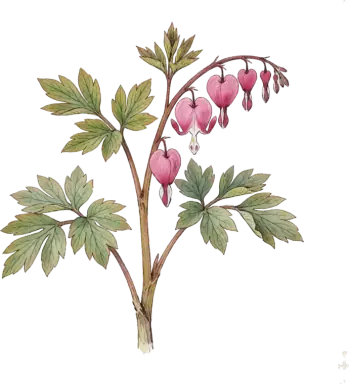 Bleeding HeartLamprocapnos spectabilisminor
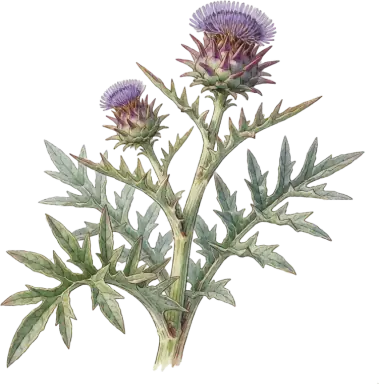 CardoonCynara cardunculus
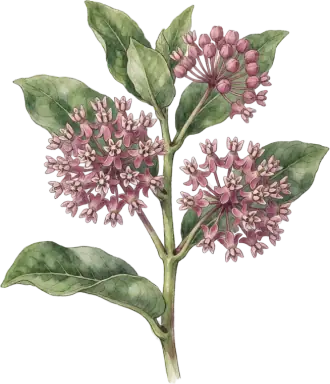 Common MilkweedAsclepias syriaca / tuberosaorange — blast, don't spray; monarch cats share the plant
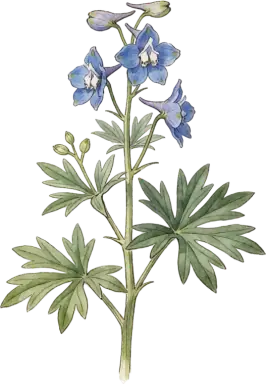 DelphiniumDelphinium elatum
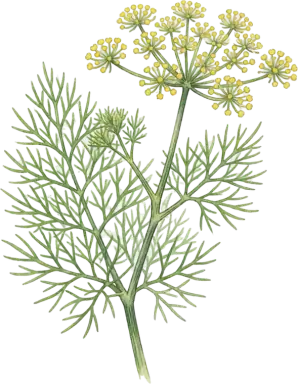 FennelFoeniculum vulgare
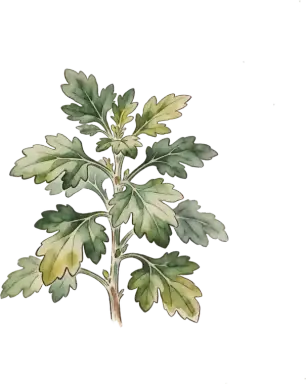 Garden MumChrysanthemum × morifolium
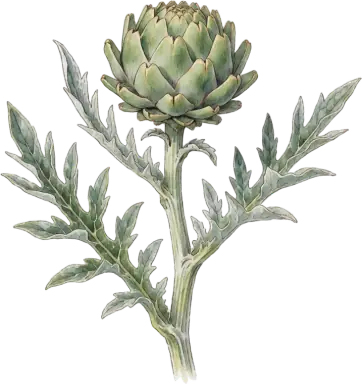 Globe ArtichokeCynara scolymusin the bud scales — soak-and-shake at harvest
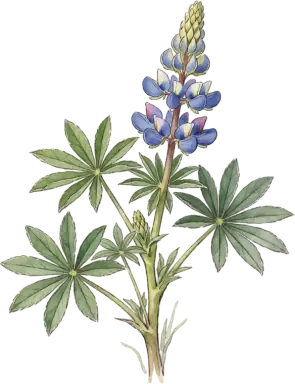 LupineLupinus 'Russell Hybrids'lupine aphid can be heavy
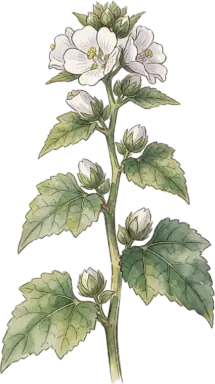 MarshmallowAlthaea officinalis
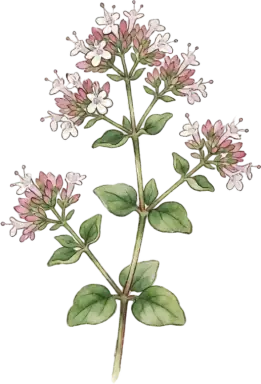 OreganoOriganum vulgare subsp. hirtumrare
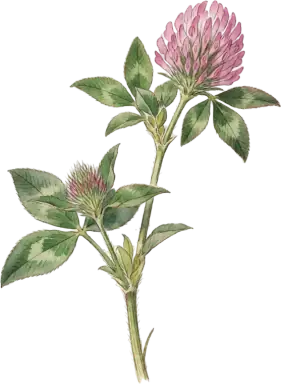 Red CloverTrifolium pratense
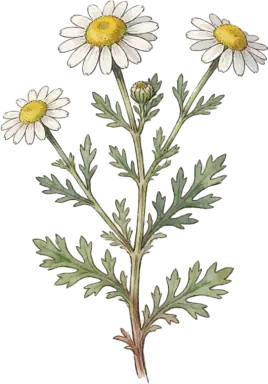 Roman ChamomileChamaemelum nobileminor
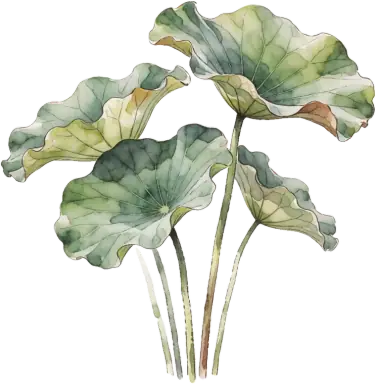 Sacred LotusNelumbo nucifera
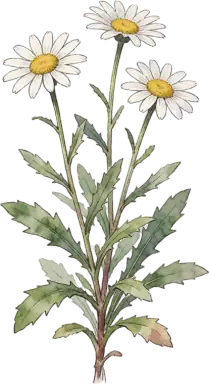 Shasta DaisyLeucanthemum × superbum
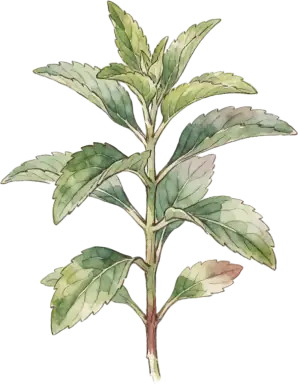 SteviaStevia rebaudiana
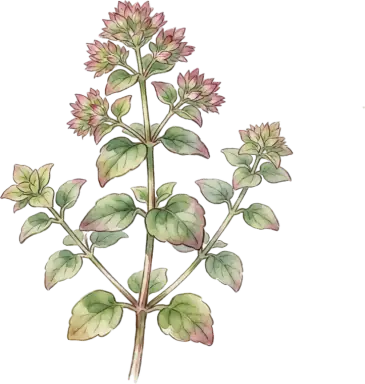 Sweet MarjoramOriganum majoranarare
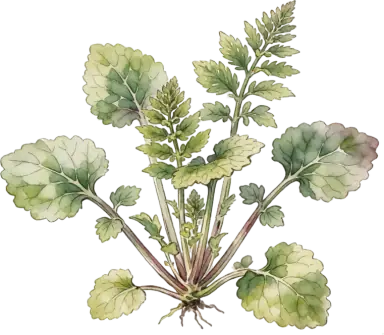 WasabiEutrema japonicum
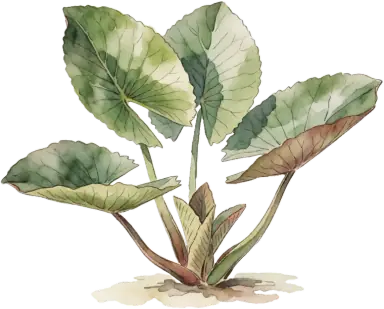 Water LilyNymphaea hybridshose them into the water for the fish
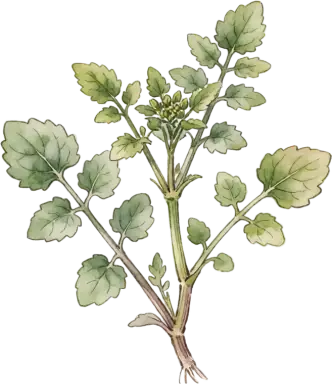 WatercressNasturtium officinale
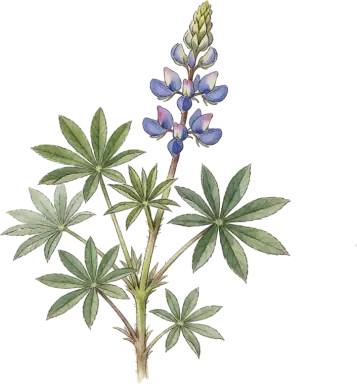 Wild LupineLupinus perennis
biennials4
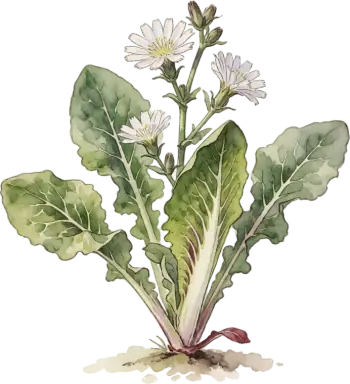
annuals45
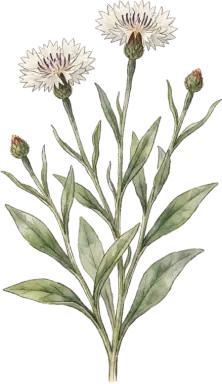 Bachelor's Button (Cornflower)Centaurea cyanus
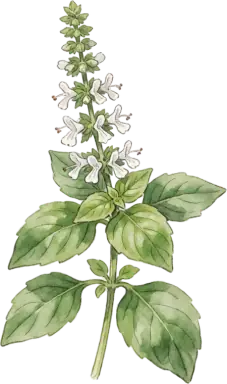 BasilOcimum basilicum
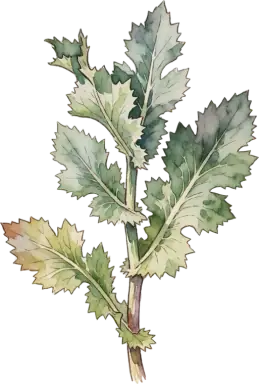 Breadseed PoppyPapaver somniferum
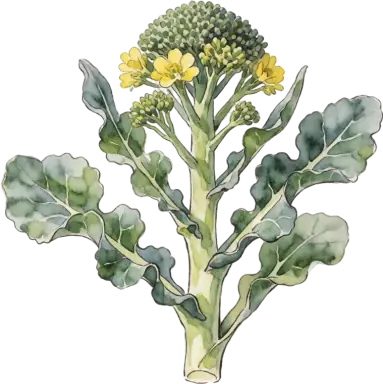 BroccoliBrassica oleracea var. italica
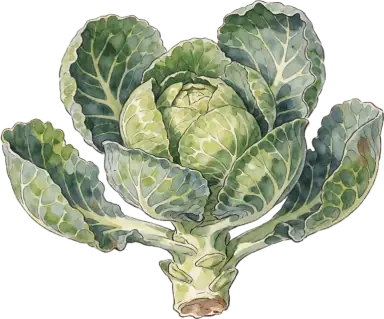 Brussels SproutsBrassica oleracea var. gemmiferalove the sprouts themselves
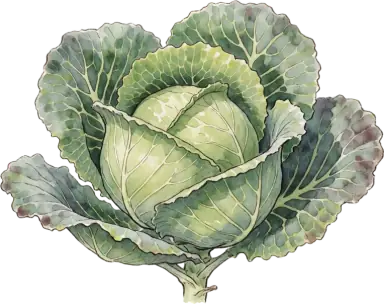 CabbageBrassica oleracea var. capitata
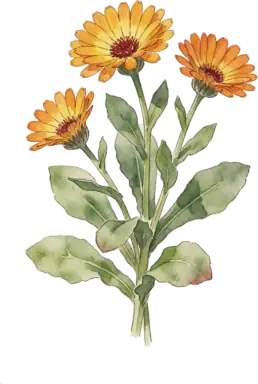 CalendulaCalendula officinalisminor
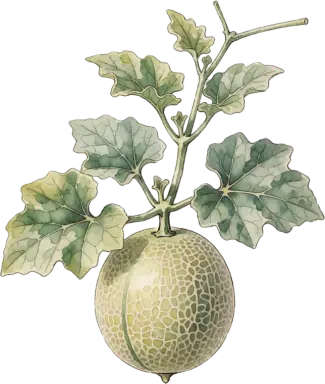 CantaloupeCucumis melo
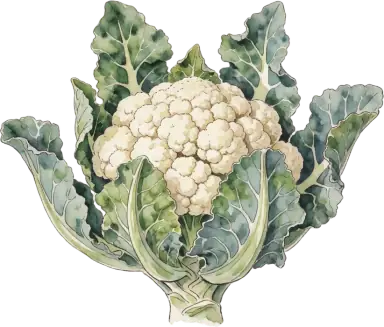 CauliflowerBrassica oleracea var. botrytis
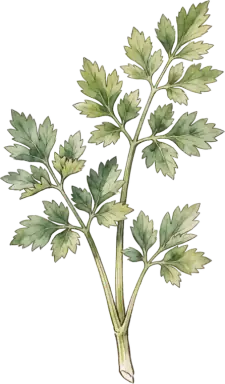 CeleryApium graveolens
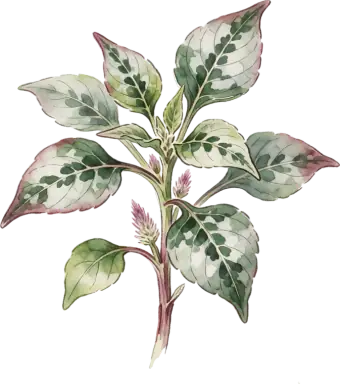 CelosiaCelosia argentea
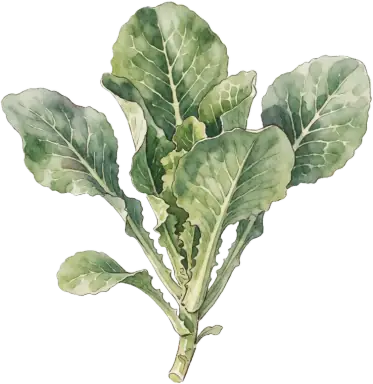 Celtuce (Stem Lettuce)Lactuca sativa var. augustana
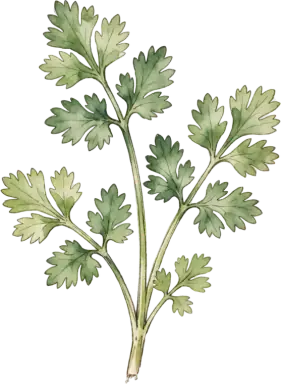 Cilantro / CorianderCoriandrum sativumrare
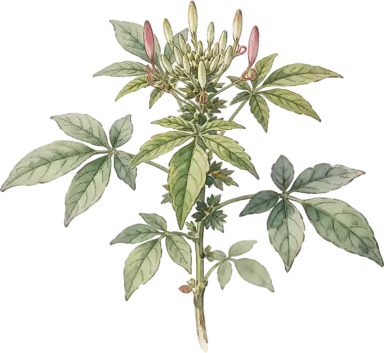 Cleome (Spider Flower)Cleome hassleriana
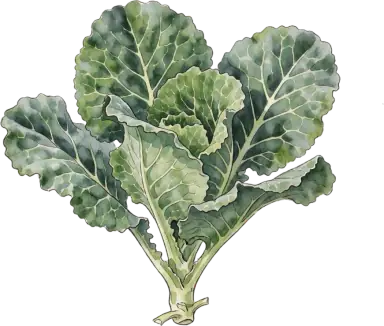 Collard GreensBrassica oleracea var. viridis
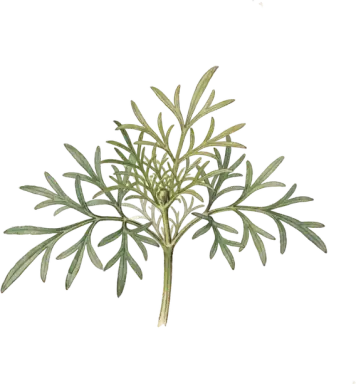 CosmosCosmos bipinnatusrare
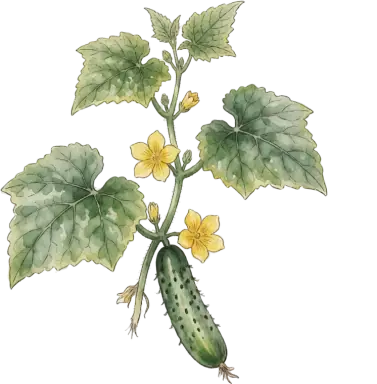 CucumberCucumis sativus
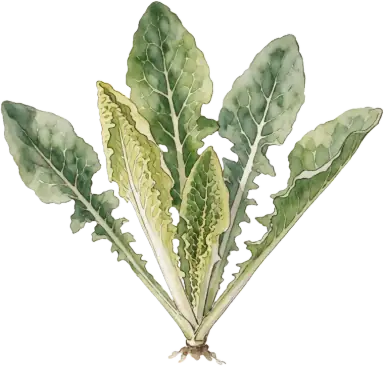 Endive & EscaroleCichorium endivia
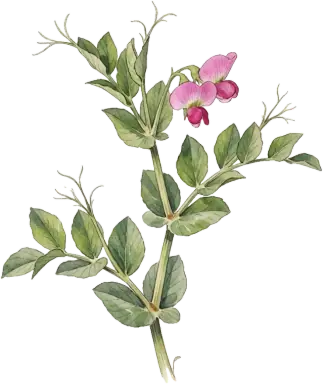 Field Pea (Austrian Winter Pea)Pisum sativum subsp. arvense
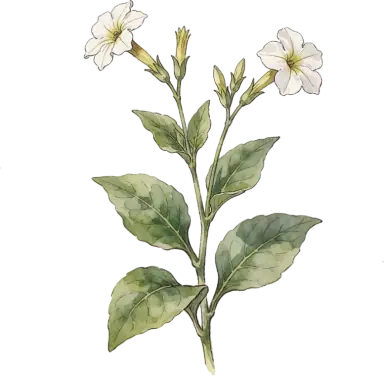 Flowering TobaccoNicotiana alata & sylvestris
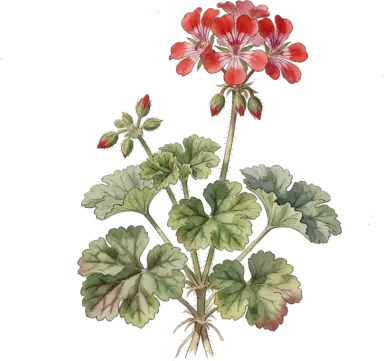 Geranium (Zonal)Pelargonium × hortorum
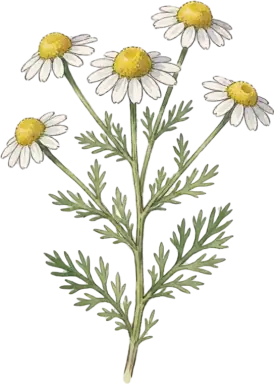 German ChamomileMatricaria chamomillarare
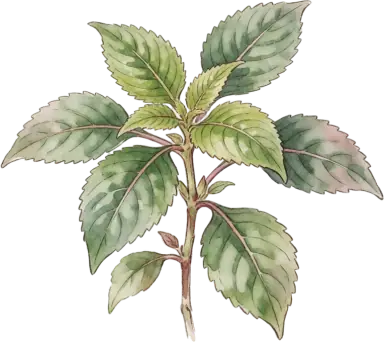 ImpatiensImpatiens walleriana
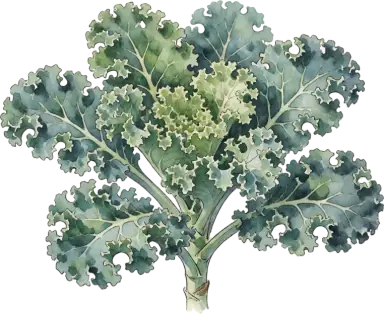 KaleBrassica oleracea
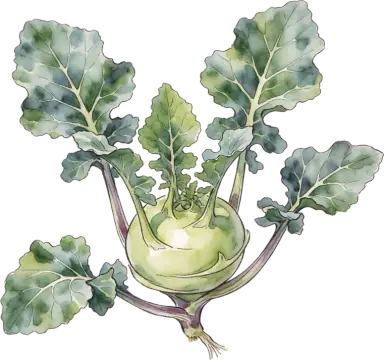 KohlrabiBrassica oleracea var. gongylodes
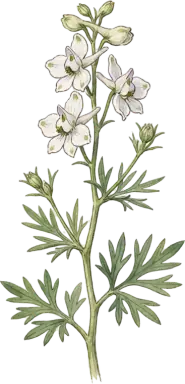 LarkspurConsolida ajacis
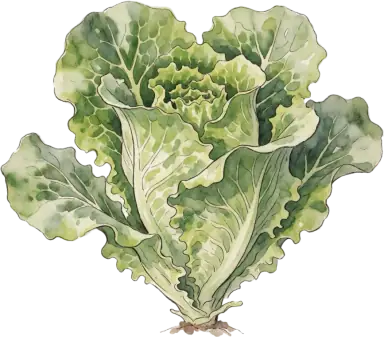 LettuceLactuca sativa
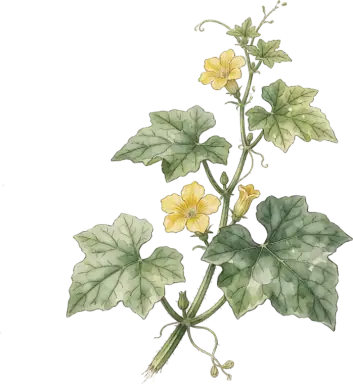 Luffa GourdLuffa aegyptiaca
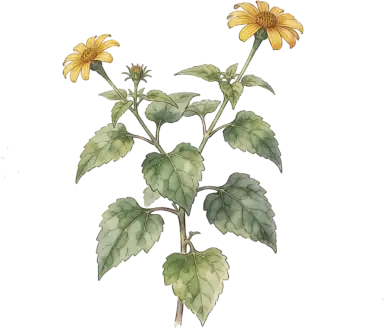 Mexican Sunflower (Tithonia)Tithonia rotundifoliaon tips
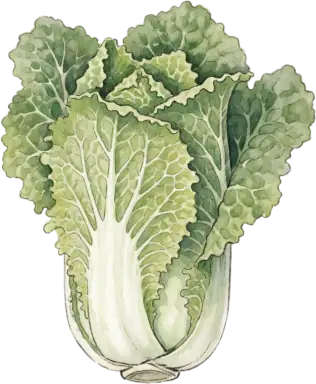 Napa Cabbage (Chinese Cabbage)Brassica rapa subsp. pekinensis
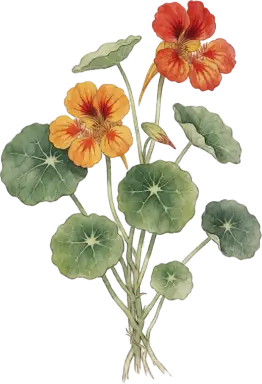 NasturtiumTropaeolum majusON PURPOSE: it's the trap crop drawing them off your beans
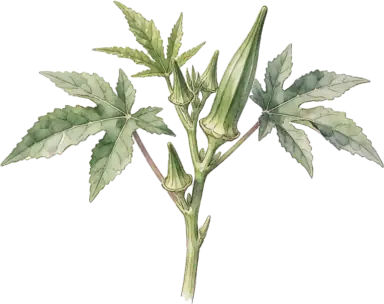 OkraAbelmoschus esculentus
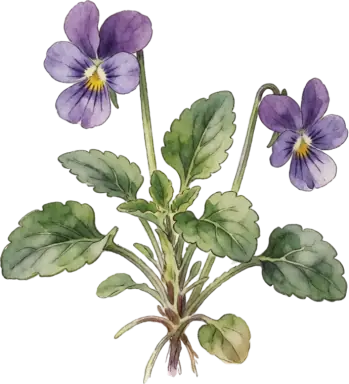 Pansy & ViolaViola × wittrockiana
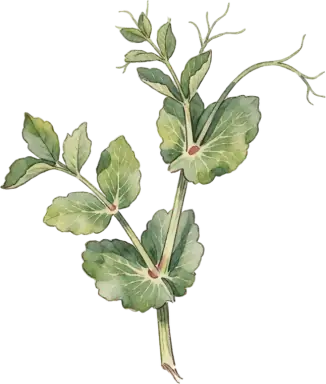 PeaPisum sativum
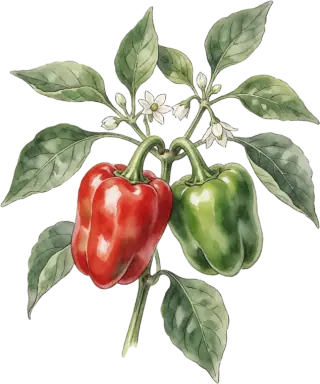 PepperCapsicum annuum
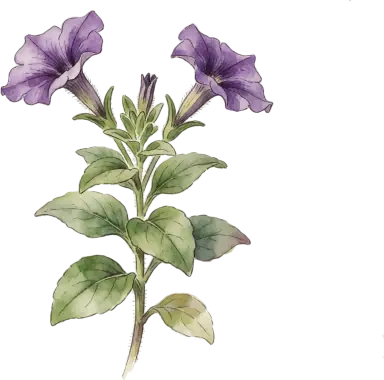 PetuniaPetunia × atkinsiana
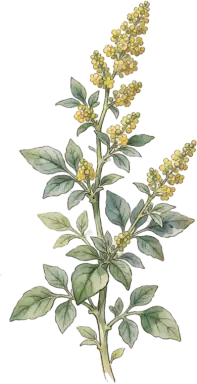 QuinoaChenopodium quinoa
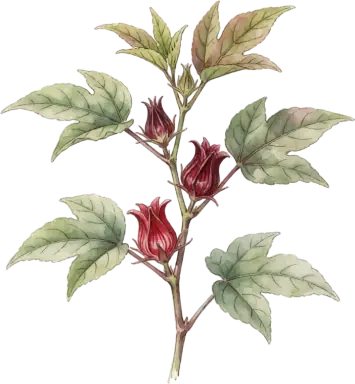 Roselle (Tea Hibiscus)Hibiscus sabdariffa
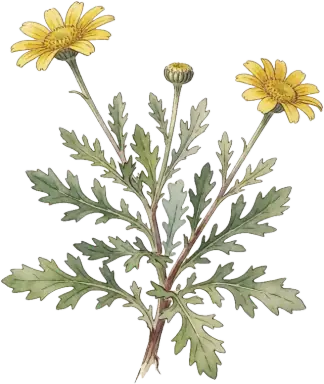 Shungiku (Garland Chrysanthemum)Glebionis coronaria
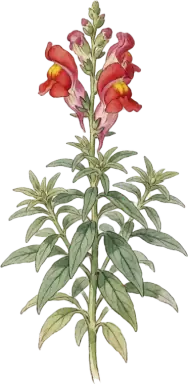 SnapdragonAntirrhinum majus
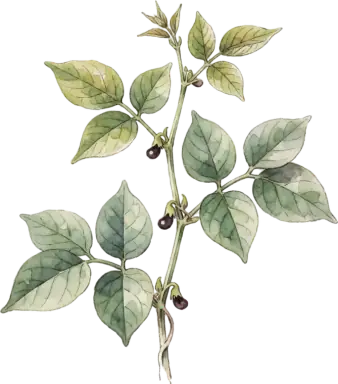 Southern Pea (Cowpea/Black-Eyed Pea)Vigna unguiculata
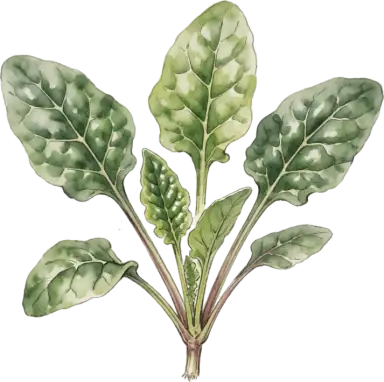 SpinachSpinacia oleracea
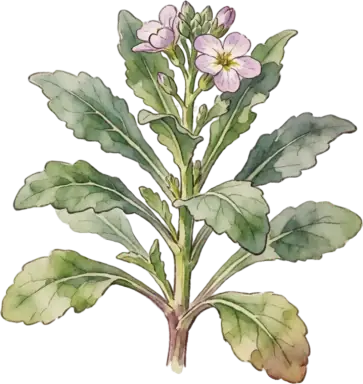 Stock (Gillyflower)Matthiola incana
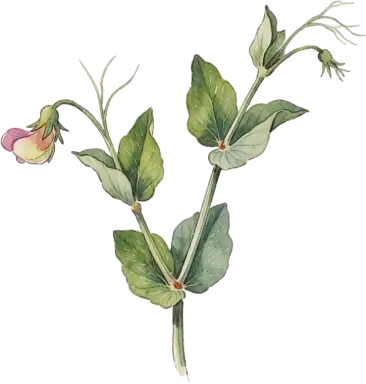 Sweet PeaLathyrus odoratus
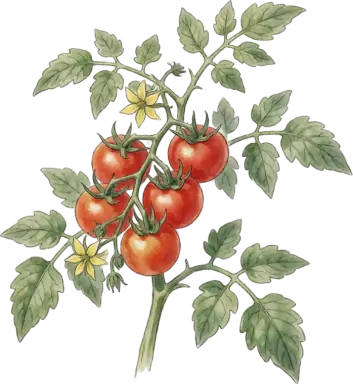 TomatoSolanum lycopersicum
bulbs6
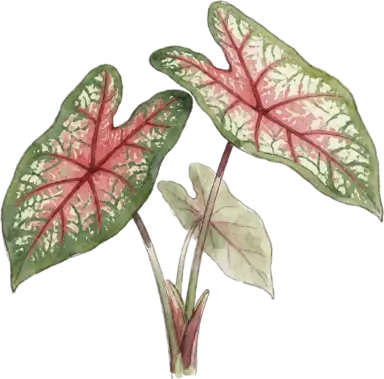
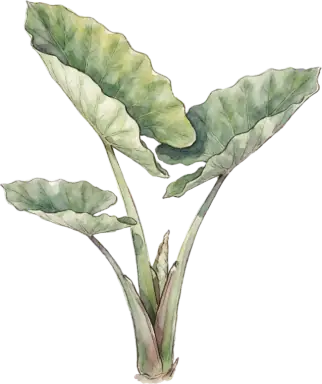
succulent1
Plant families hit hardest
Related plants often share the same problems, so if one plant in a family has it, check the others. The largest group here is Asteraceae, with 16 of the 112 affected plants.
- Asteraceae16 plants
- Brassicaceae11 plants
- Fabaceae8 plants
- Rosaceae6 plants
- Apiaceae5 plants
- Malvaceae5 plants
- Rutaceae5 plants
- Solanaceae5 plants
When to treat
Treat as soon as you see them. A young colony wipes off with a hose; an established one takes weeks.
On specific plants
- Growing
- Bt program; blast aphids out of sprouts early or they colonize.
- Dormant
- Dormant oil for scale/aphids.
- Growing
- Strip lower leaves; resistant cultivars ('Cascade' is forgiving); soap for aphids.
- Growing
- Blast the aphid-covered stems with water or snip them out — that's the trap working.
Timing only — the label is the law
This page tells you when to watch for aphids and when treating is worth considering. It is not a recommendation to apply any particular product. Read and follow the product label before you spray — under federal law the label is the legal instruction, and using a pesticide against it is illegal.
- Check the pre-harvest interval. Every product that’s cleared for an edible crop sets a minimum number of days between spraying and picking. Find it on the label before you spray anything you intend to eat.
- Check the re-entry interval before you or anyone else works in the treated area again, and use the protective equipment the label names.
- Confirm the product is registered for your crop in your state. This page groups many different crops together, and a product legal on one of them is not legal on all of them — state registrations differ too. Your state pesticide agency or local extension office can confirm both.
- Rates and mixing instructions come from the label, never from us. We don’t publish them because they differ by product and formulation.
Other problems on the same plants
If a plant gets aphids, these are the problems it most often gets as well, so they are worth checking for while you are out there. They tend to appear together; one does not cause another.