Impatiens
Impatiens walleriana
Family Balsaminaceae
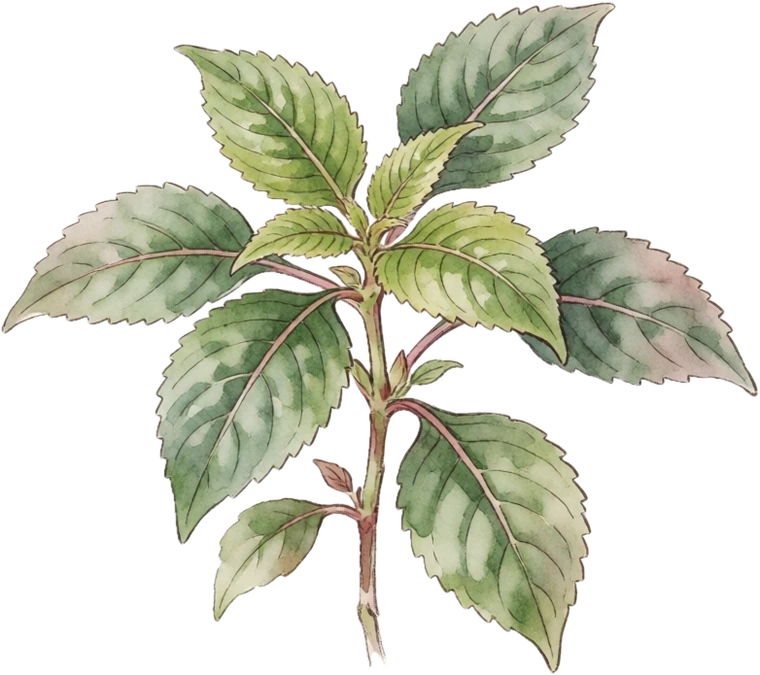
Nothing carpets deep shade in solid color like impatiens — tidy ten-to-sixteen-inch mounds that bloom without sun on the north side of the house, where most annuals give up. Hummingbirds find them anyway, which feels like a bonus the shade never promised.
One planting colors a shaded bed or porch pot for the whole season, no deadheading required. After the mildew years, the resistant modern lines have made impatiens dependable again — buy those names only. The dark corner by the door has been waiting for exactly this.
 Shade to Part Shade — THE shade annual
 High water
 Fast growth
 Attracts hummingbirds
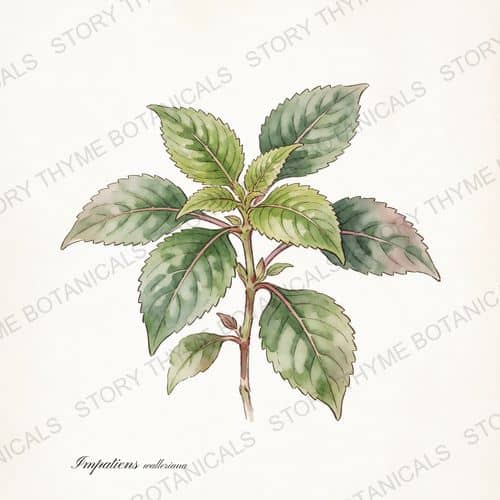
From the print shop
Growing impatiens? Hang it.
Our Plant Library collection carries impatiens — Impatiens walleriana, print Nº 246, “Impatiens.”
526 designsfrom $12.99white or black backgroundmatte poster, unframed
Will it thrive where you are?
Enter your ZIP — we look up your USDA hardiness zone (2023 map) and check it against what impatiens actually needs.
 Life cycleTender perennial, grown as an annual
Impatiens · Common problems
Common impatiens problems

Pests
3 problems on file
- Aphids
- Spider Mites in dry spots
- Cyclamen & Broad Mites

Diseases
2 problems on file
- Downy Mildew (devastated old strains; buy resistant 'Beacon'/'Imara')
- Damping Off
Impatiens · Growing & propagation
Growing impatiens
- Light
- Shade to Part Shade
THE shade annual
- Water
- High
First to wilt, first to forgive
 Soil
Soil- Rich, moist · pH 6.0 - 6.5
 Fertilizer
- Monthly light feed
 Pruning
- None
None needed — it deadheads itself.
 Spacing
- 8-12 in
Impatiens · Seasonal care & spray guidance
The impatiens growing playbook
When to spray impatiens
Growing season. Buy mildew-resistant series — that solves the one problem.
Impatiens · Calculators & field guides
A little help in the garden.
Impatiens · Yearly calendar
The impatiens year, month by month
Jan
No calendar activity is listed for this month.
 Bloom
BloomBloomMay
What each band means
- Bloom — flowers open — pollinators working, frost on blossoms is the danger.
These are the species' typical months — expect them a few weeks earlier in warm zones and later in cold ones. Watch the plant, not just the calendar.
Impatiens · Ecology & uses
Ecology & uses
Impatiens walleriana
Impatiens in the garden system
 Attracts
- Hummingbirds
 Moisture
- Facultative / average
 Deer
Deer- Browsed
Protect young plants
 Origin
- Introduced
What impatiens is grown for
✓ Not known to be toxic
 Use
Use- Shade beds
- Use
- North-side pots
Edibility, identification, and traditional-use notes here are general reference — not medical or veterinary advice, and not a claim that any plant treats or prevents anything. Medicinal ratings record how strongly a plant features in herbal tradition, nothing more. Never eat or dose a plant you have not positively identified. More on how to use this library.
Impatiens · Varieties & cultivars
Choosing a impatiens variety
'Beacon' (mildew-proof); 'Imara'; 'SunPatiens' (takes sun, bigger)
Sources & plant identity
Know what you’re growing.
See where the knowledge comes from.
Impatiens
Impatiens walleriana
The plant, at a glance.
- Botanical name
- Impatiens walleriana
- Plant family
- Balsaminaceae
- Growth habit
- Annual · Tender Perennial
- Origin
- Introduced
- USDA plant symbol
- IMWA
- Invasive risk
- Low
Hardiness, size and timing vary with your cultivar, soil and climate.
Rooted in research.
University extension research, brought together with hands-on growing experience at Story Thyme Farms.
Questions
Impatiens questions, answered straight.
Is impatiens safe for kids and pets?
Impatiens is commonly eaten and isn't considered toxic, but "commonly eaten" isn't a guarantee for any particular person or animal — allergies, quantity, and which part you eat all matter. Never eat a plant you haven't positively identified, and check with a vet before letting pets or livestock graze anything new.
Elsewhere
Where impatiens sits in the library.
 Sunflower
 Zinnia
 Peony
Peony Daylily