The illustrated growing guide

Mashua

Tropaeolum tuberosum

Family Tropaeolaceae

Est. zones 2-11

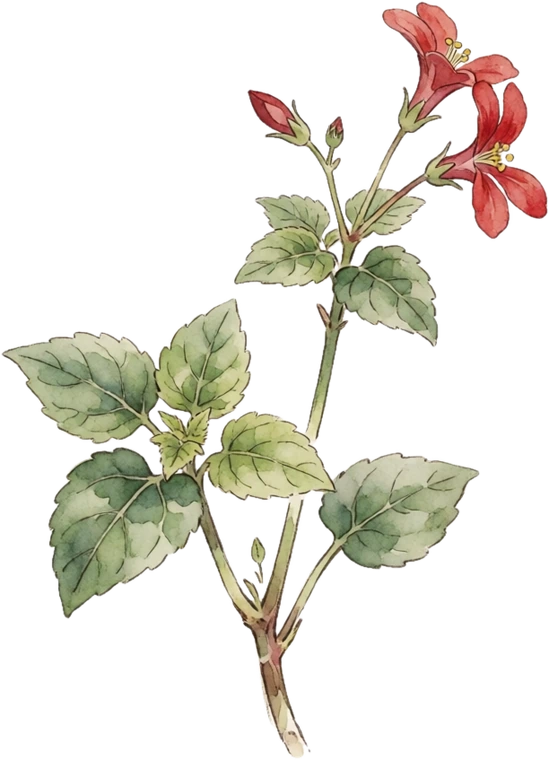
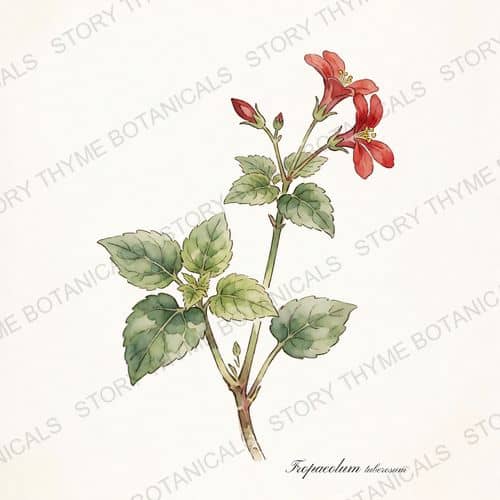
Botanical illustration of Mashua
Perennial · Tropaeolum tuberosum

A triple-threat Andean climber: a fast ornamental vine with hummingbird-red flowers, edible peppery leaves and blooms (like its nasturtium cousin), and a fall harvest of vivid knobby tubers that go from radish-hot raw to sweet-and-mild cooked. It even repels pests. An adventurous, beautiful perennial vegetable.

PerennialFull Sun to Part ShadeModerate waterFast growthExcellent edibleAttracts hummingbirds

⚠ Spreads aggressivelyMashua spreads vigorously and regrows from bits of root, so it's very hard to fully remove once established — give it a contained bed or a spot where it can roam freely, and edge it every year.

Where to buy the plant — 1 nursery

I

Overview

Will mashua suit your garden, and what goes wrong.

Will it fruit where you are?

Enter your ZIP — we look up your USDA hardiness zone (2023 map) and check it against what mashua actually needs.

Life cycleTender perennial, grown as an annual

Mashua at a glance

Life cycleTender perennial, grown as an annual
Mature size6-10 ft climbing vine
PollinationRed-orange tubular flowers feed hummingbirds
Chill requirementNot yet established
Bloom seasonFall (short-day triggered)
Harvest seasonColorful tubers dug after frost — peppery raw (like a radish-nasturtium), mellowing sweet when cooked; the flowers and leaves are edible too
Growth rateFast

Common mashua problems

  • Almost none — it repels many pests
  • Almost none

II

Growing

Light, water, soil, propagation and the season’s jobs.

How to grow mashua: light, water & soil

LightFull Sun to Part Shade
WaterModerate
SoilRich, loose · pH 5.5 - 7.0
FertilizerLight
PruningNone — A climbing Andean nasturtium relative grown for tubers AND as an ornamental — vivid orange-red hummingbird flowers scrambling up a trellis, then a fall crop of knobby colorful tubers. Peppery and pungent raw, they turn mild and sweet cooked. Short-day tuber formation means a long autumn is needed.
Spacing12-18 in at a trellis

How to plant & propagate mashua

PropagateDivision or seed

The mashua growing playbook

Field-tested instructions for every job mashua asks of you, compiled from university extension guidance — in the order the season brings them.

Watering

Keep mashua moist but never waterlogged

Mashua wants soil that is moist but well drained, in full sun or partial shade, on clay, loam, or sand at an acid to neutral pH. Water through summer to hold that moisture rather than letting the bed swing between dry and soaked. A vine that puts on two and a half to four metres of growth in a season moves a lot of water, but the tubers sit in the soil all season and rot in ground that stays saturated.

Dividing

Propagate mashua by division

Mashua is propagated by division rather than from seed. Split the stored tuber clump in spring and replant the divisions, keeping healthy firm tubers and discarding any that have gone soft in storage. Mashua is a deciduous perennial that rebuilds itself each year from its tubers, so dividing the clump is both how the crop is renewed and how a single planting becomes several.

RHS lists this plant as a skin allergen. Wear gloves when handling and dividing tubers.

What to watch for

Watch for whitefly, red spider mite, and virus

Through the summer, turn leaves over and check for glasshouse whitefly and glasshouse red spider mite, which are the pests RHS records on mashua. Also watch for virus diseases, which show as mottling or distortion. There is no cure for a virus, so pull and destroy an affected plant rather than propagating from it. Both listed pests are warm, dry, sheltered-conditions feeders, so they build up fastest exactly where mashua is happiest. Virus matters more than usual here because the crop is propagated clonally by division, which carries any infection straight into next year's planting.

Protection

Get the tubers through winter: mashua is only half-hardy

Mashua carries an RHS hardiness rating of H3, meaning it survives only about -5C to 1C and only in mild or coastal winters. Outside that narrow band the tubers must spend winter somewhere that never freezes, so plan the crop as something you lift and store rather than something that stays in the ground. Give it a sheltered position from the start. The plant is a tender Andean perennial with no woody structure and no real dormancy hardiness. Its tubers are the whole plant, so once they freeze there is nothing left to regrow from the following spring.

RHS lists Tropaeolum tuberosum as a skin allergen. Wear gloves and other protective equipment when handling the plant or its tubers.

III

The year

What mashua asks for, month by month.

The mashua year, month by month

MonthJanFebMarAprMayJunJulAugSepOctNovDec
Bloom

What each band means

  • Bloomflowers open — pollinators working, frost on blossoms is the danger.

The mashua year as text

  • Jan quiet month
  • Feb quiet month
  • Mar quiet month
  • Apr quiet month
  • May quiet month
  • Jun quiet month
  • Jul quiet month
  • Aug quiet month
  • Sep bloom
  • Oct bloom
  • Nov bloom
  • Dec quiet month

These are the species' typical months — expect them a few weeks earlier in warm zones and later in cold ones. Watch the plant, not just the calendar.

IV

Ecology & uses

What it does for the garden, and what it is grown for.

Mashua in the garden system

  • Vine layer perennial
  • Pest control
AttractsHummingbirds, Birds
MoistureFacultative / average
DeerBrowsed — protect young plants
OriginIntroduced

What mashua is grown for

✓ Commonly eatenedible tubers, leaves, and flowers

UseAndean tuber
UseHummingbird vine
UseEdible flowers
Edible value4/5

Harvesting & storing mashua

Colorful tubers dug after frost — peppery raw (like a radish-nasturtium), mellowing sweet when cooked; the flowers and leaves are edible too.

Edibility, identification, and traditional-use notes here are general reference — not medical or veterinary advice, and not a claim that any plant treats or prevents anything. Medicinal ratings record how strongly a plant features in herbal tradition, nothing more. Never eat or dose a plant you have not positively identified. More on how to use this library.

V

Cultivars

Named varieties of mashua, ruled as a catalogue.

Best mashua varieties & cultivars

1 on file

Named varieties of mashua differ in winter-chill needs, ripening time, hardiness, and whether they set fruit on their own — pick one that fits your climate.

Ken Aslet · Tropaeolum tuberosum var. lineomaculatum 'Ken Aslet'

Size2.5-4 m tall, 0.5-1 m spread

RHS hardiness H3, roughly -5C to 1C, needing a sheltered spot in full sun or partial shade. Deciduous, with rounded 3 to 5-lobed grey-green leaves and long-spurred, cupped, orange flowers veined brown within with red spurs, borne in summer and autumn. Propagated by division; tubers can be lifted and stored frost-free over winter, or the plant overwintered indoors in a deep container. RHS lists it as a skin allergen, so wear gloves. Note that stock circulating in the USA has tested positive for several viruses, so buy from a source that has cleaned its material.

Where to buy ‘Ken Aslet

Story Thyme Farms may earn a small commission from these links, at no cost to you — it never changes what we recommend.

VI

Sources & plant ID

Where the care distinctions come from, and how the plant is filed.

Research basis

Sources behind this profile

No extension citations are attached to mashuayet. The care figures below come from the library's own catalogue rather than a traced primary source.

Plant ID

BinomialTropaeolum tuberosum
FamilyTropaeolaceae
TypePerennial · Tender Perennial
USDA symbolTRTU4
OriginIntroduced
Invasive riskLow

VII

Where to buy

Third-party nurseries — not Story Thyme Farms.

Third-party nurseries, not Story Thyme Farms. Prices are theirs.

Story Thyme Farms may earn a small commission from these links, at no cost to you — it never changes what we recommend.

VIII

Questions

Mashua questions, answered straight.

Is mashua safe for kids and pets?

Mashua is commonly eaten and isn't considered toxic, but "commonly eaten" isn't a guarantee for any particular person or animal — allergies, quantity, and which part you eat all matter. One caveat on this one: edible tubers, leaves, and flowers. Never eat a plant you haven't positively identified, and check with a vet before letting pets or livestock graze anything new.

When do you harvest mashua?

Colorful tubers dug after frost — peppery raw (like a radish-nasturtium), mellowing sweet when cooked; the flowers and leaves are edible too.

How do you propagate mashua?

Division or seed.

IX

Elsewhere

Where mashua sits in the library.

Where mashua sits in the library

Grows in the same world