General Lee
Slicing — Bears mostly female blooms - plant the included pollinizer seed alongside it, or interplant a monoecious variety. Without pollen it flowers heavily and sets little.
Where to buy ‘General Lee’
Story Thyme Farms may earn a small commission from these links, at no cost to you — it never changes what we recommend.
Sweet Slice
Burpless, mild — Monoecious - produces its own male and female flowers, so one plant can set fruit given bees. No pollinizer management.
Where to buy ‘Sweet Slice’
Story Thyme Farms may earn a small commission from these links, at no cost to you — it never changes what we recommend.
Bush Pickle
Pickling — Bush pickling type and the fastest here at 48 days. No trellis. Pick at 2 in or smaller - pickling types go seedy and blimp-shaped quickly.
Where to buy ‘Bush Pickle’
Story Thyme Farms may earn a small commission from these links, at no cost to you — it never changes what we recommend.
Bush Crop
Also known as Bushcrop
Slicing — Bush habit - no trellis, suits patio containers and tight beds.
Where to buy ‘Bush Crop’
Story Thyme Farms may earn a small commission from these links, at no cost to you — it never changes what we recommend.
Straight Eight
Classic slicing — Vining - trellis it or allow room to run. Heirloom AAS winner.
Where to buy ‘Straight Eight’verified
Story Thyme Farms may earn a small commission from these links, at no cost to you — it never changes what we recommend.
Marketmore 76
Self-fertile
- Zones
- 2-11
- Disease
- Angular leaf spot, anthracnose, cucumber mosaic virus, downy mildew, powdery mildew, scab
- Size
- 8-9 inch slicing fruit
Mild, stays dark green even under weather stress — Open-pollinated slicer bred at Cornell, so you can save seed. Cornell's resistant-cucurbit list credits it with the broadest resistance package of any OP slicer. Johnny's lists it at 58 days from direct seeding.
Where to buy ‘Marketmore 76’verified
Story Thyme Farms may earn a small commission from these links, at no cost to you — it never changes what we recommend.
County Fair
Also known as County Fair 87
Self-fertile
- Zones
- 2-11
- Disease
- Angular leaf spot, anthracnose, bacterial wilt, cucumber mosaic virus, powdery mildew
- Size
- Pickling
One of the very few cucumbers carrying genetic resistance to bacterial wilt, which is the disease that ends most cucumber plantings where cucumber beetles are heavy.
Where to buy ‘County Fair’
Story Thyme Farms may earn a small commission from these links, at no cost to you — it never changes what we recommend.
Little Leaf H-19
Also known as H-19 Little Leaf
Self-fertile
- Zones
- 2-11
- Disease
- Angular leaf spot, anthracnose, bacterial wilt, cucumber mosaic virus, downy mildew, powdery mildew, scab
- Size
- Pickling
Carries bacterial wilt resistance alongside the widest disease package on Cornell's pickling list.
Where to buy ‘Little Leaf H-19’
Story Thyme Farms may earn a small commission from these links, at no cost to you — it never changes what we recommend.
Eureka
Self-fertile
- Zones
- 2-11
- Disease
- Angular leaf spot, anthracnose, cucumber mosaic virus, downy mildew, powdery mildew, papaya ringspot virus, scab, watermelon mosaic virus strain 2, zucchini yellow mosaic virus
- Size
- Pickling
F1 pickler with the longest resistance list of any cucumber on Cornell's chart, including three mosaic viruses.
Where to buy ‘Eureka’
Story Thyme Farms may earn a small commission from these links, at no cost to you — it never changes what we recommend.
Diva
Self-fertile
- Zones
- 2-11
- Disease
- Angular leaf spot, cucumber vine yellowing virus, downy mildew, powdery mildew, scab
- Size
- Slicing
THE EXCEPTION to the pollinizer rule: being parthenocarpic it sets seedless fruit with no bees and no pollinizer. Ideal where bee activity is poor, or under row cover or in a tunnel where insects are excluded.
Where to buy ‘Diva’verified
Story Thyme Farms may earn a small commission from these links, at no cost to you — it never changes what we recommend.
Dasher II
Self-fertile
- Zones
- 2-11
- Disease
- Angular leaf spot, anthracnose (Co:2; A2), cucumber mosaic virus, downy mildew, powdery mildew, scab
- Size
- Slicing
F1 slicer carrying six-way resistance; listed by extension among the cucumbers with downy mildew tolerance worth planting where the disease arrives every year.
Where to buy ‘Dasher II’
Story Thyme Farms may earn a small commission from these links, at no cost to you — it never changes what we recommend.
Calypso
Self-fertile
- Zones
- 2-11
- Disease
- Angular leaf spot, anthracnose (Co:A), cucumber mosaic virus, downy mildew, powdery mildew, scab
- Size
- Pickling
Mostly-female flowers, so it needs pollen from a monoecious plant. Seed companies blend pollinizer seed into the packet, often dyed a different colour - do NOT discard those odd-looking seeds or fruit set collapses.
Where to buy ‘Calypso’
Story Thyme Farms may earn a small commission from these links, at no cost to you — it never changes what we recommend.
Olympian
Self-fertile
- Zones
- 2-11
- Disease
- Angular leaf spot, anthracnose (Co:A), downy mildew, powdery mildew, scab
- Size
- Slicing
F1 slicer with five-way resistance including both mildews.
Where to buy ‘Olympian’
Story Thyme Farms may earn a small commission from these links, at no cost to you — it never changes what we recommend.
Salad Bush
Self-fertile
- Zones
- 2-11
- Disease
- Corynespora leaf spot/blight, cucumber mosaic virus, powdery mildew, scab, target leaf spot
- Size
- Compact bush habit
Bush type: grow in a container or small bed without a trellis, where a standard vining cucumber would need several feet of run or vertical support.
Where to buy ‘Salad Bush’
Story Thyme Farms may earn a small commission from these links, at no cost to you — it never changes what we recommend.
Sweet Success
Self-fertile
- Zones
- 2-11
- Disease
- Angular leaf spot, corynespora leaf spot/blight, cucumber mosaic virus, scab, target leaf spot, watermelon mosaic virus strain 2
- Size
- Long slicing fruit
Mild, seedless when unpollinated — Listed by Utah State Extension among the excellent home garden cucumbers. A parthenocarpic type, so it can hold fruit under row cover after other varieties have to be uncovered for bees.
Where to buy ‘Sweet Success’
Story Thyme Farms may earn a small commission from these links, at no cost to you — it never changes what we recommend.
Fanfare
Self-fertile
- Zones
- 2-11
- Disease
- Angular leaf spot, anthracnose (Co:A), cucumber mosaic virus, downy mildew, powdery mildew, scab
- Size
- Slicing, compact vine
Monoecious, so it carries its own male flowers - no pollinizer needed. Semi-bush habit works in a small bed or large container without a long trellis. AAS winner.
Where to buy ‘Fanfare’
Story Thyme Farms may earn a small commission from these links, at no cost to you — it never changes what we recommend.
Boston Pickling
Self-fertile
- Zones
- 2-11
- Disease
- Cucumber mosaic virus, powdery mildew
- Size
- Small pickling fruit
Heirloom open-pollinated pickler, named by Utah State Extension as an excellent home garden variety and credited by Cornell with cucumber mosaic virus and powdery mildew resistance. No bacterial wilt or downy mildew resistance, so lean on row covers and resistant neighbours such as County Fair where wilt is heavy.
Where to buy ‘Boston Pickling’
Story Thyme Farms may earn a small commission from these links, at no cost to you — it never changes what we recommend.




 SowingIn spring

 Bloom
Bloom







 Squash
 Pea
Pea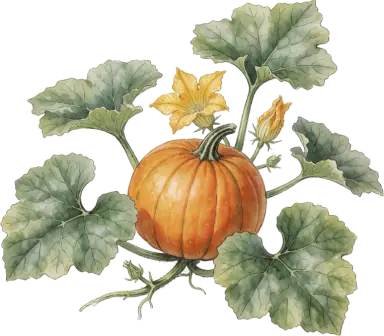 Pumpkin
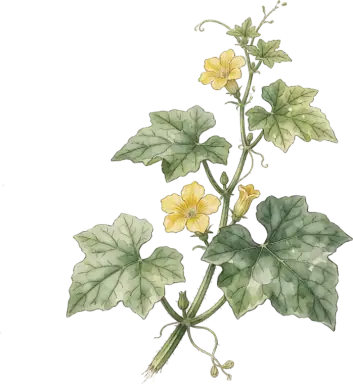 Luffa Gourd