 HarvestingIn May, June, July, August and September
Dry red clover blossoms
Clip clean newly opened flower heads and dry quickly before browning. Fresh pink heads make the best tea and leave the plant to rebloom.
Trifolium pratense
Family Fabaceae
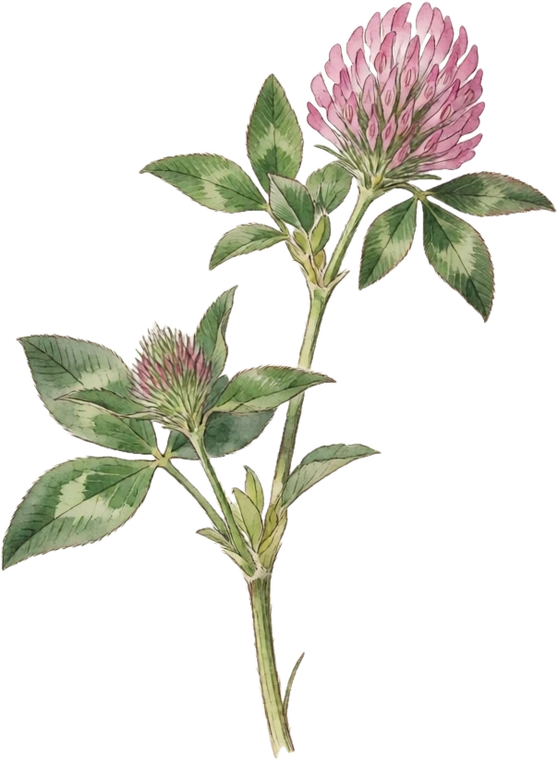
Red clover pulls double duty better than almost any small plant — plump rose-pink flower heads that bees work all season and herbalists dry for traditional tea blends, on a legume that's quietly fixing nitrogen into your soil the entire time it blooms.
Treat it as a working guest rather than a permanent lawn: a managed patch, a path edging, a living mulch between crops that hands its nitrogen to whatever follows. The tea is a traditional medicinal, so check interactions if that matters for you. Then sow a corner and let it work.
 Full Sun to Part Shade
 Moderate water
 Fast growth
 Attracts bees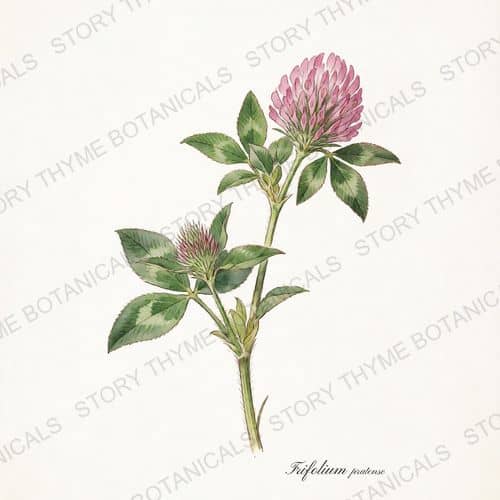
From the print shop
Our Plant Library collection carries red clover — Trifolium pratense, print Nº 394, “Red Clover.”
526 designsfrom $12.99white or black backgroundmatte poster, unframed
Will it fruit where you are?
Enter your ZIP — we look up your USDA hardiness zone (2023 map) and check it against what red clover actually needs.
 Hardy inZones 3-8
Red Clover · Common problems

4 problems on file
AphidsClover Root CurculioBean Leaf BeetleGrasshoppers
2 problems on file
Red Clover · Growing & propagation
LightWater Soil
SoilTolerates clay · pH 6.0 - 7.5
 Fertilizer
 Pruning
Mow/shear after bloom to renew and prevent coarse self-seeding.
 SpacingPropagate
Red Clover · Seasonal care & spray guidance
Growing season. Rotate or thin dense stands if disease builds.
the growing season
1 jobHarvestingIn May, June, July, August and SeptemberClip clean newly opened flower heads and dry quickly before browning. Fresh pink heads make the best tea and leave the plant to rebloom.
Red Clover · Calculators & field guides
Red Clover · Yearly calendar
No calendar activity is listed for this month.
 Bloom
BloomBloomMay, then September to November
These are the species' typical months — expect them a few weeks earlier in warm zones and later in cold ones. Watch the plant, not just the calendar.
Red Clover · Ecology & uses
Trifolium pratense
 AttractsMoisture
 Deer
DeerProtect young plants
 Origin
! Some parts toxic — see notesCaution: medicinal tea; avoid with blood thinners, hormone-sensitive conditions, or pregnancy unless advised
UseUseUseUseEdible value Traditional use rating
Flower heads as they open; dry quickly for tea.
Edibility, identification, and traditional-use notes here are general reference — not medical or veterinary advice, and not a claim that any plant treats or prevents anything. Medicinal ratings record how strongly a plant features in herbal tradition, nothing more. Never eat or dose a plant you have not positively identified. More on how to use this library.
Red Clover · Varieties & cultivars
Species; medium red clover; mammoth red clover
Sources & plant identity
Trifolium pratense
Hardiness, size and timing vary with your cultivar, soil and climate.
University extension research, brought together with hands-on growing experience at Story Thyme Farms.
Publisher marks identify sources, not sponsorship or endorsement.
Red Clover questions, answered straight.
With care. Caution: medicinal tea; avoid with blood thinners, hormone-sensitive conditions, or pregnancy unless advised Site it accordingly if children or pets roam the garden. This is general reference, not medical or veterinary advice — call a vet or poison control if something has actually been eaten.
Flower heads as they open; dry quickly for tea.
Division or seed.
Where red clover sits in the library.


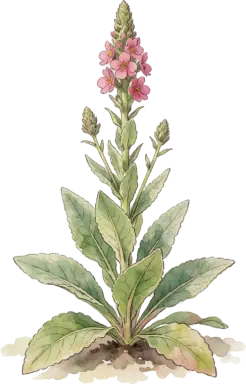 Mullein
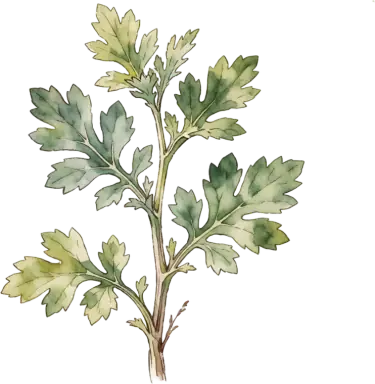 Feverfew
 Valerian
 St. John's Wort