The illustrated growing guide

Shallot

Allium cepa var. aggregatum

Family Amaryllidaceae

Est. zones 2-11

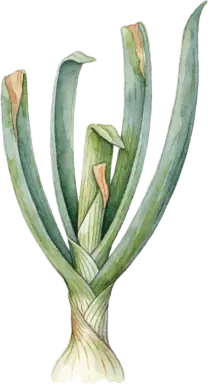
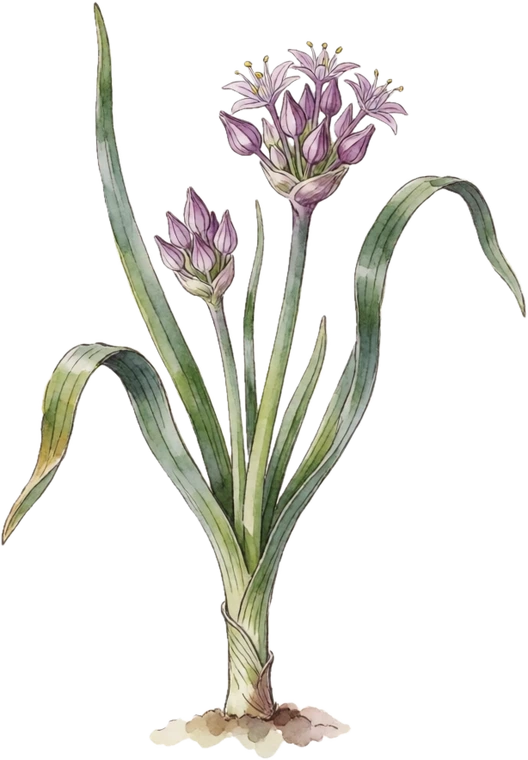
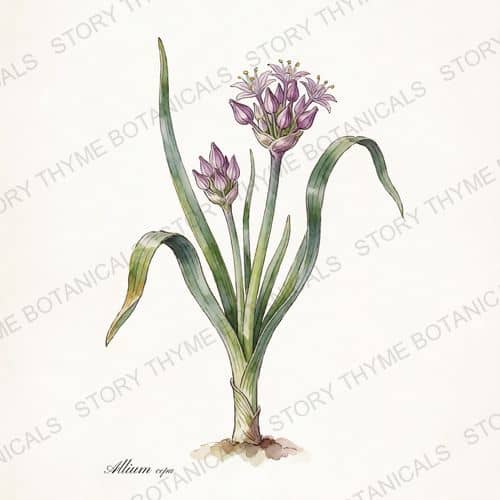
Botanical illustration of Shallot
Bulb · Allium cepa var. aggregatum

Plant one clove, harvest a fistful — shallots multiply like garlic but taste like a mild, sweet, wine-friendly onion. Cure them dry and they store till spring. The chef's onion, absurdly easy to grow.

BulbFull SunModerate waterFast growthExcellent edibleAttracts beesAttracts butterflies

Where to buy the plant — 1 nursery

Shallot — a print from the Roots & Alliums collection

From the print shop

Growing shallot? Hang it.

Our Roots & Alliums collection carries shallotAllium cepa var. aggregatum, print Nº 9, “Shallot.”

16 designsfrom $21.99white or black groundmatte poster, unframed

Shop Roots & Alliums botanical prints →

I

Overview

Will shallot suit your garden, and what goes wrong.

Will it fruit where you are?

Enter your ZIP — we look up your USDA hardiness zone (2023 map) and check it against what shallot actually needs.

Life cycleBiennial, grown as an annual

Shallot at a glance

Life cycleBiennial, grown as an annual
Mature size12-18 in tops
PollinationN/A
Chill requirementNot yet established
Bloom seasonSecond year if left
Harvest seasonOne planted bulb → a CLUSTER of 6-10, harvested when tops flop (midsummer)
Growth rateFast

Common shallot problems

  • Onion Maggot
  • Thrips
  • Neck Rot
  • White Rot

II

Growing

Light, water, soil, propagation and the season’s jobs.

How to grow shallot: light, water & soil

LightFull Sun
WaterModerate, even; taper as tops fall
SoilLoose, rich, drained · pH 6.0 - 7.0
FertilizerCompost at planting; light N early
PruningNone — Plant single bulbs in fall (z6+) or early spring; each multiplies into a clump.
Spacing6 in

How to plant & propagate shallot

Maturity90-120 days
From seedPlant bulbs/sets in fall or early spring
PropagateFrom seed

When to spray shallot

Growing season. Rotate alliums; cure well before storing.

The shallot growing playbook

Field-tested instructions for every job shallot asks of you, compiled from university extension guidance — in the order the season brings them.

Sowing

Plant sets or seed as soon as the ground can be worked

Work compost and a complete fertilizer into the top 6 inches, then plant bulb sets 1 to 2 inches deep in early spring as soon as the soil is workable. Space sets 3 to 6 inches apart in rows 12 to 18 inches apart; sow seed 1/2 inch deep and thin to 2 to 4 inches. Tight spacing gives you single bulbs, wide spacing gives clusters of 10 to 15. Shallots need to build leaves before day length triggers bulbing, and every leaf standing at that moment becomes a ring of bulb, so a late start costs you size you cannot get back.

Optional fall planting for an earlier crop

Where winters are mild enough that the ground does not heave, set shallot bulbs after the first frost, 1 to 2 inches deep, for a late spring harvest. Mulch the bed once the ground chills. Fall sets overwinter as small rooted plants rather than pushing much top growth. Bulbs set in autumn root through winter and start leaf growth the moment soil warms, which puts more leaves on the plant before bulbing begins than a spring planting can manage.

Watering

Steady water through bulbing, then cut it off

Keep the soil near field capacity, moistening thoroughly to 8 to 12 inches; if the bed does not get an inch of rain a week, soak it thoroughly at least once a week. Use drip if you can and water in the morning rather than at night. Mulch to hold moisture and hold weeds down. Stop watering once bulbs have reached full size and the tops begin to fall. Shallots are shallow-rooted and need constant moisture, so the plant cannot chase water down the profile and bulbs sized under drought stress stay small. Wet foliage overnight is what lets Botrytis and downy mildew get started.

Feeding

Side-dress nitrogen twice, then stop before bulbing

Side-dress about 1/2 pound of 21-0-0 per 100 square feet roughly 30 days after planting and again at 60 days, watering it in. Then stop. Do not keep feeding once the tops are up and bulbs begin to swell. Nitrogen late in the season pushes leaf growth at the expense of the bulb and leaves thick, soft necks that never cure tight, which is exactly how a stored crop rots by midwinter.

What to watch for

Count thrips in the necks as bulbs size up

Once plants have at least 4 to 5 leaves, pry open the necks of about 50 plants across the bed and count the tiny straw-colored thrips before they scatter. Treat only if you average more than 15 per plant early or more than 30 per plant once bulbs are enlarging. Straw mulch, overhead sprinkling and clearing weedy debris and volunteer onions all knock populations back without a spray. Thrips rasp chlorophyll out of the leaves, and leaf area lost during bulb enlargement is bulb size lost. Counting matters because 60 to 75 percent of the population is eggs sunk inside leaf tissue where nothing you spray can reach them, so spraying on sight just kills the generation you can see.

Spraying

Onion thrips: spinosad only once counts pass threshold

If counts exceed threshold during bulb enlargement, spray spinosad, directing it down into the center of the plants. Use high pressure and high water volume, which penetrates better into the inner neck where the thrips actually sit. Azadirachtin, kaolin clay and insecticidal soap are weaker alternatives. Rotate to a different mode of action between applications rather than repeating spinosad. Thrips shelter in the tight neck of the plant, so a spray that only wets the outer leaves misses most of them and selects for the survivors. Onion thrips have already developed widespread resistance to organophosphates and pyrethroids across the western US, which is what repeated same-class spraying buys you.

Spinosad is toxic to bees and to predatory mites and syrphid larvae while wet and for about a day after; do not apply it to anything in flower, including flowering weeds in the bed, and spray in the evening when bees are not foraging. Check the label for registered uses and the pre-harvest interval before you spray.

Protection

Row cover against onion maggot, but only on rotated ground

Cover the bed with floating row cover at planting and seal the edges to keep egg-laying flies off the plants. Do this ONLY if no onions, shallots, garlic or leeks grew in that spot last year, and site the new bed as far from last year's allium ground as you can. Bury or destroy every cull bulb and volunteer instead of leaving them in the garden. Onion maggots overwinter as pupae in the soil right where their host grew, so cover laid over infested ground traps the emerging flies with your crop instead of excluding them, and cull piles are where the spring generation is born.

There are no insecticides available to home gardeners as a pre-plant treatment for onion maggot, so exclusion and rotation are the whole toolkit.

Harvesting

Lift when the tops flop, then cure until the skins rustle

Pull green shallots any time the tops are 6 to 8 inches tall, about 50 to 60 days in. For dry bulbs, wait until the tops fall over on their own, then lift the plants and break the clusters into individual bulbs. Cure them 1 to 2 weeks until the leaves and skins are papery and the necks are tight, then store at 32 to 40 degrees in mesh bags. The tops falling is the plant closing the neck and moving the last of its reserves into the bulb; lift before that and the neck stays open, which is the door every storage rot walks through.

III

The year

What shallot asks for, month by month.

The shallot year, month by month

MonthJanFebMarAprMayJunJulAugSepOctNovDec
Harvest

What each band means

  • Harvestpicking time — check ripeness every few days.

The shallot year as text

  • Jan quiet month
  • Feb quiet month
  • Mar quiet month
  • Apr quiet month
  • May quiet month
  • Jun quiet month
  • Jul harvest
  • Aug quiet month
  • Sep quiet month
  • Oct quiet month
  • Nov quiet month
  • Dec quiet month

These are the species' typical months — expect them a few weeks earlier in warm zones and later in cold ones. Watch the plant, not just the calendar.

IV

Ecology & uses

What it does for the garden, and what it is grown for.

Shallot in the garden system

  • Root layer bulb
AttractsBees, Butterflies
MoistureFacultative / average
DeerBrowsed — protect young plants
OriginIntroduced

What shallot is grown for

! Some parts toxic — see notesToxic to dogs, cats and horses — organosulfur compounds cause Heinz-body haemolytic anaemia; also toxic to cattle, sheep and goats. Cats are the most sensitive.

UseGourmet cooking
UseVinaigrettes
UseLong storage
Edible value4/5

Harvesting & storing shallot

One planted bulb → a CLUSTER of 6-10, harvested when tops flop (midsummer). About 90-120 days from planting.

Edibility, identification, and traditional-use notes here are general reference — not medical or veterinary advice, and not a claim that any plant treats or prevents anything. Medicinal ratings record how strongly a plant features in herbal tradition, nothing more. Never eat or dose a plant you have not positively identified. More on how to use this library.

V

Cultivars

Named varieties of shallot, ruled as a catalogue.

Best shallot varieties & cultivars

5 on file

Named varieties of shallot differ in winter-chill needs, ripening time, hardiness, and whether they set fruit on their own — pick one that fits your climate.

Conservor

SizeElongated bulbs 2-3 inches long

Forms single elongated bulbs with few splits rather than the usual cluster, which makes for easier peeling and cleaner storage. Adapted to 37-60 degrees latitude, the widest range of the seed shallots, so it bulbs correctly further south than most.

Where to buy ‘Conservor

Story Thyme Farms may earn a small commission from these links, at no cost to you — it never changes what we recommend.

Ambition

SizeLarge half-long French type

Reddish-copper skin over firm white flesh in the classic half-long French shape. Stores through spring when cured hard and held near freezing at 60-70 percent humidity. Adapted to 40-60 degrees latitude, so it is a northern-tier variety.

Where to buy ‘Ambition

Story Thyme Farms may earn a small commission from these links, at no cost to you — it never changes what we recommend.

Matador

SizeFrench half-long, teardrop shaped

Very similar to Ambition in shape and color but selected for a high percentage of marketable bulbs, and available as certified organic seed. Suited to very long storage. Adapted to 40-60 degrees latitude.

Where to buy ‘Matador

Story Thyme Farms may earn a small commission from these links, at no cost to you — it never changes what we recommend.

Innovator

DiseaseDowny mildewSizeElongated single bulbs

A Conservor-type single-bulb shallot with reddish-bronze skin, and the one seed shallot carrying downy mildew resistance, which matters most in humid or overhead-irrigated gardens. Forms single bulbs when thinned to 2 inches. Adapted to 40-60 degrees latitude.

Where to buy ‘Innovator

Story Thyme Farms may earn a small commission from these links, at no cost to you — it never changes what we recommend.

Zebrune · Cuisse de Poulet;banana shallot;echalion

SizeElongated tapered bulb

Shallot flavor with onion-like ease of slicing — French heirloom echalion with a long tapered pinkish-copper bulb and crisp white flesh, open-pollinated rather than hybrid so you can save your own seed. The elongated shape slices and peels like a small onion. Mild and sweet cooked, and stores well.

Where to buy ‘Zebruneverified

Story Thyme Farms may earn a small commission from these links, at no cost to you — it never changes what we recommend.

VI

Sources & plant ID

Where the care distinctions come from, and how the plant is filed.

Research basis

Sources behind this profile

No extension citations are attached to shallotyet. The care figures below come from the library's own catalogue rather than a traced primary source.

Plant ID

BinomialAllium cepa var. aggregatum
FamilyAmaryllidaceae
TypeBulb · Biennial
USDA symbolALCE
OriginIntroduced
Invasive riskLow

VII

Where to buy

Third-party nurseries — not Story Thyme Farms.

Third-party nurseries, not Story Thyme Farms. Prices are theirs.

Story Thyme Farms may earn a small commission from these links, at no cost to you — it never changes what we recommend.

VIII

Questions

Shallot questions, answered straight.

Is shallot safe for kids and pets?

With care. Toxic to dogs, cats and horses — organosulfur compounds cause Heinz-body haemolytic anaemia; also toxic to cattle, sheep and goats. Cats are the most sensitive. Site it accordingly if children or pets roam the garden. This is general reference, not medical or veterinary advice — call a vet or poison control if something has actually been eaten.

When do you harvest shallot?

One planted bulb → a CLUSTER of 6-10, harvested when tops flop (midsummer). From planting, expect about 90-120 days to maturity.

How do you propagate shallot?

From seed.

IX

Elsewhere

Where shallot sits in the library.

Where shallot sits in the library

Grows in the same world