The illustrated growing guide
Stevia
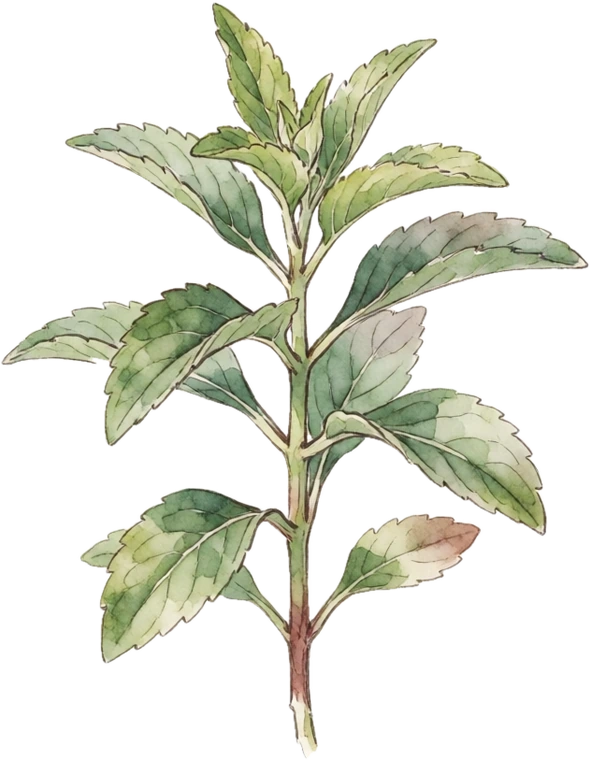
Stevia rebaudiana
Family Asteraceae
Est. zones 9-11

A leaf that's 30x sweeter than sugar, no asterisks. Dry and powder for winter tea; one plant sweetens a year of herbal infusions.
I
Overview
Will stevia suit your garden, and what goes wrong.
Will it fruit where you are?
Enter your ZIP — we look up your USDA hardiness zone (2023 map) and check it against what stevia actually needs.
Stevia at a glance
Common stevia problems
II
Growing
Light, water, soil, propagation and the season’s jobs.
How to grow stevia: light, water & soil
How to plant & propagate stevia
The stevia growing playbook
Field-tested instructions for every job stevia asks of you, compiled from university extension guidance — in the order the season brings them.
Sowing
Start stevia in flats, not in the ground
Sow into plug cells about seven to eight weeks before your transplant date, several seeds per cell, then thin to the strongest seedling once they are up. Use only the black or dark seeds and discard the clear to tan ones. Better still, root stem cuttings taken from a mother plant you have tasted and know is sweet. Stevia seed germinates poorly and slowly, so direct-seeding into a bed usually fails, and the pale seeds are typically sterile. Seedlings also vary plant to plant in sweetness and bitter aftertaste, while a cutting carries the mother plant's sugar profile exactly.
Planting out
Set stevia out after the last frost
Plant into well-drained soil rich in organic matter once all danger of frost has passed. In field rows, growers in eastern North Carolina use 30-inch rows with plants 6 to 7 inches apart. Avoid any site that floods or puddles, and avoid saline soils. Stevia is a tender perennial with no frost tolerance, and its shallow roots rot in ground that stays wet.
Watering
Water little and often
Keep a consistent source of moisture through the season, ideally by trickle irrigation, in frequent shallow waterings rather than occasional deep soakings. Do not let the soil stay saturated. Stevia's feeder roots sit near the soil surface, so a shallow, frequent pattern is what actually reaches them, while standing wet soil brings on root rot.
Feeding
Feed stevia lightly and go easy on the nitrogen
Keep any feeding through the growing season modest, and do not push the plant with high-nitrogen fertilizer. Follow a soil test rather than a fixed schedule. Research in Ontario found stevia has low nutrient requirements, and excess nitrogen drives profuse leafy growth with poor flavor. You get more leaf and less sweetness, which is the wrong trade for this crop.
Pruning
Pinch the flower buds off as they appear
Through the growing season, pinch out flower buds as soon as you spot them. The leaves are sweetest before flowering occurs, so pinching buds off as soon as they appear protects the quality of the leaf you are growing the plant for.
What to watch for
Watch for aphids, thrips and whiteflies on young plants
Check growing tips and leaf undersides regularly, especially on greenhouse or indoor plants. Aphids, thrips and whiteflies can become a serious problem under cover. In the field, watch for Septoria leaf spot, southern blight, stem and root rot, and tomato spotted wilt virus. Field stevia is not known to have serious insect pest problems, but protected transplant production is where these pests build up fast and can significantly impact the crop before it ever goes out.
⚠ No herbicides are registered for use on stevia, so control weeds by mechanical cultivation and by hand. Before applying any pesticide, confirm the label names stevia or a crop group that covers it — an application not on the label is illegal.
Protection
Bring stevia in before the first frost
Outside zones 10 and 11, lift plants into a container and move them indoors ahead of the first frost, or simply grow them as an annual and replant next spring. Stevia is only winter hardy in USDA zones 10 to 11. Everywhere colder it is grown as an annual and brought indoors before the first frost.
Harvesting
Cut the crop as the first buds form
Take the main harvest when plants are mature and blooms have just begun to form. Small plots are usually cut by hand; large plantings are cut at ground level with a harvester. Dry the cut plants with low heat and good air circulation for 24 to 48 hours, then thresh to separate the sweet leaves from the bitter stems and store the dry leaf in airtight containers. Sugar levels decline after flowering, while cool temperatures and short days intensify sweetness beforehand, so the window just as buds appear is the peak. The stems are bitter, which is why threshing the leaf off matters.
III
The year
What stevia asks for, month by month.
The stevia year, month by month
What each band means
- Bloom — flowers open — pollinators working, frost on blossoms is the danger.
The stevia year as text
- Jan quiet month
- Feb quiet month
- Mar quiet month
- Apr quiet month
- May quiet month
- Jun quiet month
- Jul quiet month
- Aug bloom
- Sep quiet month
- Oct quiet month
- Nov quiet month
- Dec quiet month
These are the species' typical months — expect them a few weeks earlier in warm zones and later in cold ones. Watch the plant, not just the calendar.
IV
Ecology & uses
What it does for the garden, and what it is grown for.
Stevia in the garden system
- Herbaceous layer perennial
What stevia is grown for
✓ Commonly eaten
Harvesting & storing stevia
Leaves all season; sweetest just before it tries to bloom.
Edibility, identification, and traditional-use notes here are general reference — not medical or veterinary advice, and not a claim that any plant treats or prevents anything. Medicinal ratings record how strongly a plant features in herbal tradition, nothing more. Never eat or dose a plant you have not positively identified. More on how to use this library.
V
Cultivars
Named varieties of stevia, ruled as a catalogue.
Best stevia varieties & cultivars
'Sweet Leaf' selections vary in sweetness — taste before buying
VI
Sources & plant ID
Where the care distinctions come from, and how the plant is filed.
Research basis
Sources behind this profile
No extension citations are attached to steviayet. The care figures below come from the library's own catalogue rather than a traced primary source.
Plant ID
VII
Where to buy
Third-party nurseries — not Story Thyme Farms.
Third-party nurseries, not Story Thyme Farms. Prices are theirs.
Story Thyme Farms may earn a small commission from these links, at no cost to you — it never changes what we recommend.
VIII
Questions
Stevia questions, answered straight.
Is stevia safe for kids and pets?
Stevia is commonly eaten and isn't considered toxic, but "commonly eaten" isn't a guarantee for any particular person or animal — allergies, quantity, and which part you eat all matter. Never eat a plant you haven't positively identified, and check with a vet before letting pets or livestock graze anything new.
When do you harvest stevia?
Leaves all season; sweetest just before it tries to bloom.
How do you propagate stevia?
Division or seed.
IX
Elsewhere
Where stevia sits in the library.
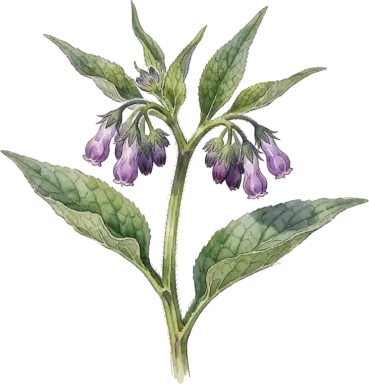
Comfrey
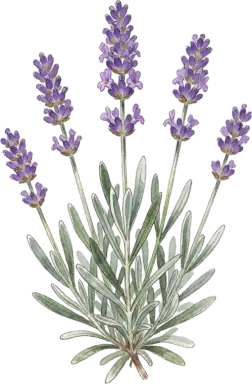
Lavender
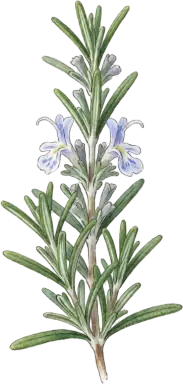
Rosemary
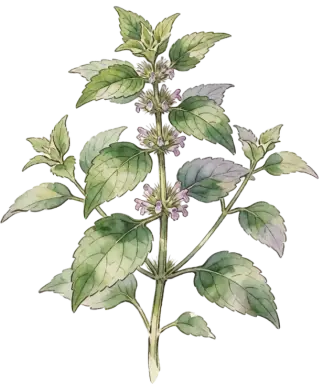
Anise Hyssop