The illustrated growing guide

Dandelion (Cultivated)

Taraxacum officinale

Family Asteraceae

Est. zones 3-9

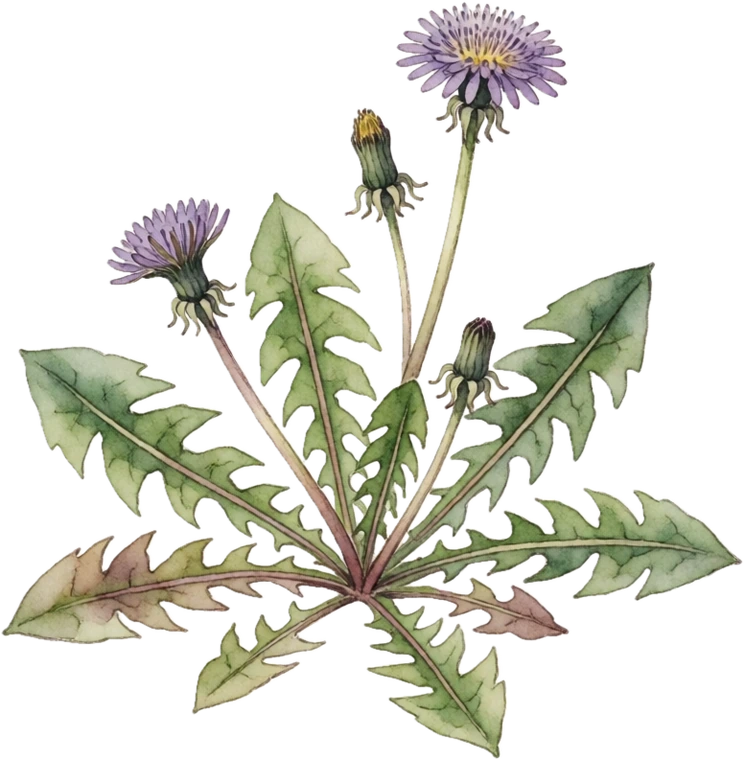
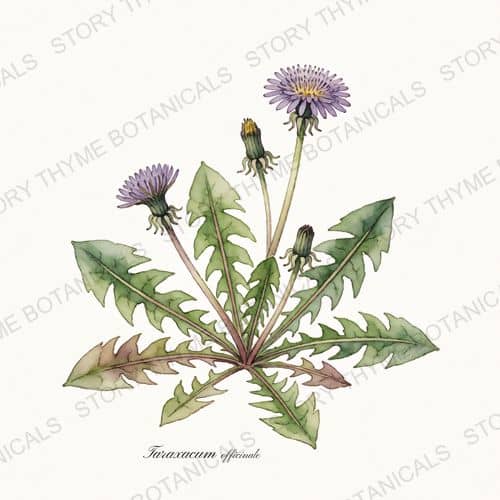
Botanical illustration of Dandelion (Cultivated)
Perennial · Taraxacum officinale

Before you weed it, consider: the dandelion is a nutritional powerhouse (more vitamin A than spinach), a spring tonic, a wine flower, a coffee root, and — critically — one of the very first foods for emerging bees. Cultivated varieties give big tender leaves; blanch them for a milder, endive-like green.

PerennialFull Sun to Part ShadeModerate waterFast growthExcellent edibleAttracts bees

Where to buy the plant — 1 nursery

Dandelion — a print from the Wildflowers & Meadow collection

From the print shop

Growing dandelion (cultivated)? Hang it.

Our Wildflowers & Meadow collection carries dandelion (cultivated)Taraxacum officinale, print Nº 11, “Dandelion.”

16 designsfrom $21.99white or black groundmatte poster, unframed

Shop Wildflowers & Meadow botanical prints →

I

Overview

Will dandelion (cultivated) suit your garden, and what goes wrong.

Will it fruit where you are?

Enter your ZIP — we look up your USDA hardiness zone (2023 map) and check it against what dandelion (cultivated) actually needs.

Hardy inZones 3-9

Dandelion (Cultivated) at a glance

HardinessUSDA 3–9
Mature size6-12 in
PollinationA CRUCIAL early-spring bee food — one of the first nectar/pollen sources
Chill requirementNot yet established
Bloom seasonEarly Spring (and repeat)
Harvest seasonLeaves (blanch to reduce bitterness), flowers (wine, fritters), roots (roasted 'coffee', chicory-like) — the whole plant is edible and medicinal
Growth rateFast

Common dandelion (cultivated) problems

  • Almost none
  • Almost none

II

Growing

Light, water, soil, propagation and the season’s jobs.

How to grow dandelion (cultivated): light, water & soil

LightFull Sun to Part Shade
WaterModerate
SoilAny · pH 6.0 - 7.5
FertilizerNone
PruningNone — Yes, THE lawn weed — but cultivated types are bred for big, tender, less-bitter leaves and it's a genuine crop: spring greens, flower wine, roasted-root coffee, and vital early bee forage. Blanch leaves (cover to exclude light) for milder salad.
Spacing6-8 in

How to plant & propagate dandelion (cultivated)

PropagateDivision or seed

The dandelion (cultivated) growing playbook

Field-tested instructions for every job dandelion (cultivated) asks of you, compiled from university extension guidance — in the order the season brings them.

Sowing

Sow dandelion on the surface in early spring

Starting about 4-6 weeks before your last frost, scatter seed on the soil surface or barely cover it, and keep the bed moist. Expect germination in about ten days once soil reaches 55F. Thin or set plants 6 to 9 inches apart in rows 12 inches apart, and count on 85 to 95 days to a full-sized plant. Dandelion seed germinates from the surface or under only the barest cover, so a deep sowing is the usual reason a bed comes up thin. Give it moisture and about 55F soil and it runs in roughly ten days.

Sow a late-summer succession for autumn greens

Dandelion can be sown any time from early spring through late summer. Put in a second surface sowing in late summer, on the same 6 to 9 inch spacing, to bring fresh rosettes on as the spring planting turns bitter and goes to flower. Leaf quality is tied to the plant's flowering state rather than to the calendar, so a younger cohort of plants is the only reliable way to keep tender leaves coming through autumn.

Pruning

Take off spent flower heads before they turn to puffballs

As soon as the yellow fades and before the head opens into a white puffball, snap or cut the flower stalks off at the base. Do this every few days through the bloom flush, and bag the heads rather than composting them loosely. A single plant can throw up to 20,000 viable seeds, each on a feathery pappus that carries it well beyond your bed - and if you ever want to move the patch, note that the plant also regrows from broken pieces of taproot, so a half-dug root is not a removed one.

Harvesting

Cut leaves before the first flower buds show

Take the leaves while they are young and tender, and get the main cut in before the first flower buds appear in the rosette. Older leaves are still worth having, but treat them as a cooking green rather than a salad green. The leaves are at their most flavorful in early spring before the plant sets its first buds; once it shifts energy into flowering, the leaves turn markedly more bitter.

Never eat dandelion from a lawn, verge, or roadside that has been sprayed with herbicide or sits in polluted soil - harvest only from ground whose spray history you know.

Pick blossoms in full bloom, and leave some for the bees

Pick fully open blossoms early in the day while they are still full of nectar, and use them the same day for fritters, wine, or jam. Leave a good share of the patch unpicked. Cut blossoms close up quickly once off the plant, so they do not hold; and the flowers are sweetest early in the season. The early bloom is also a first nectar and pollen source for honey bees at a point when little else is open.

Do not spray any insecticide on a patch in bloom - the flowers are actively working pollinators.

Dig roots in early spring for roasting

Lift the taproots in early spring, when they eat much like a turnip and roast into a chicory-like coffee substitute. Dig when the soil is moist, and expect to go down some way - the root usually runs 6 to 12 inches and can reach 3 feet. The root is at its best dug in early spring, and its depth is exactly what lets the plant shrug off drought and competition the rest of the year.

Dandelion root is reported to be both diuretic and laxative, so go easy on quantity, especially in root tea. If you take prescription medication or have a health condition, check with your doctor before using dandelion medicinally. Sap contains latex and some people are allergic to it.

III

The year

What dandelion (cultivated) asks for, month by month.

The dandelion (cultivated) year, month by month

MonthJanFebMarAprMayJunJulAugSepOctNovDec
Bloom

What each band means

  • Bloomflowers open — pollinators working, frost on blossoms is the danger.

The dandelion (cultivated) year as text

  • Jan quiet month
  • Feb quiet month
  • Mar bloom
  • Apr bloom
  • May quiet month
  • Jun quiet month
  • Jul quiet month
  • Aug quiet month
  • Sep quiet month
  • Oct quiet month
  • Nov quiet month
  • Dec quiet month

These are the species' typical months — expect them a few weeks earlier in warm zones and later in cold ones. Watch the plant, not just the calendar.

IV

Ecology & uses

What it does for the garden, and what it is grown for.

Dandelion (Cultivated) in the garden system

  • Herbaceous layer perennial
  • Dynamic accumulator
  • Nectary/insectary
AttractsBees
MoistureFacultative / average
DeerBrowsed — protect young plants
OriginIntroduced

What dandelion (cultivated) is grown for

✓ Commonly eatenentirely edible and a traditional bitter tonic

UseSpring greens
UseBee forage
UseRoot coffee
UseWine
Edible value4/5
Traditional use rating3/5 in herbal tradition

Harvesting & storing dandelion (cultivated)

Leaves (blanch to reduce bitterness), flowers (wine, fritters), roots (roasted 'coffee', chicory-like) — the whole plant is edible and medicinal.

Edibility, identification, and traditional-use notes here are general reference — not medical or veterinary advice, and not a claim that any plant treats or prevents anything. Medicinal ratings record how strongly a plant features in herbal tradition, nothing more. Never eat or dose a plant you have not positively identified. More on how to use this library.

V

Cultivars

Named varieties of dandelion (cultivated), ruled as a catalogue.

Best dandelion (cultivated) varieties & cultivars

2 on file

Named varieties of dandelion (cultivated) differ in winter-chill needs, ripening time, hardiness, and whether they set fruit on their own — pick one that fits your climate.

Vert de Montmagny

Zones3-9SizeLarge-leaved, vigorous

Slightly bitter, best cooked — True Taraxacum officinale, not the chicory sold as Italian dandelion. Bred in 1857 by a Montmagny farmer for the Paris markets and listed in the Slow Food Ark of Taste. Carries a more developed white core and deeper green leaves than the wild type.

Where to buy ‘Vert de Montmagny

Story Thyme Farms may earn a small commission from these links, at no cost to you — it never changes what we recommend.

Ameliore a Coeur Plein · Improved Full Heart;A Coeur Plein Ameliore

Zones3-9Size12-24 inches tall, 6-12 inches wide

True Taraxacum officinale, not the chicory sold as Italian dandelion. Medium-green, cut, medium-thin leaves. Grows in tight clumps rather than spreading rosettes, so it yields well in a small footprint. Market growers space it 4-6 inches apart in rows 12-14 inches apart.

Where to buy ‘Ameliore a Coeur Plein

Story Thyme Farms may earn a small commission from these links, at no cost to you — it never changes what we recommend.

VI

Sources & plant ID

Where the care distinctions come from, and how the plant is filed.

Research basis

Sources behind this profile

No extension citations are attached to dandelion (cultivated)yet. The care figures below come from the library's own catalogue rather than a traced primary source.

Plant ID

BinomialTaraxacum officinale
FamilyAsteraceae
TypePerennial
USDA symbolTAOF
OriginIntroduced
Invasive riskLow

VII

Where to buy

Third-party nurseries — not Story Thyme Farms.

Third-party nurseries, not Story Thyme Farms. Prices are theirs.

Story Thyme Farms may earn a small commission from these links, at no cost to you — it never changes what we recommend.

VIII

Questions

Dandelion (Cultivated) questions, answered straight.

Is dandelion (cultivated) safe for kids and pets?

Dandelion (Cultivated) is commonly eaten and isn't considered toxic, but "commonly eaten" isn't a guarantee for any particular person or animal — allergies, quantity, and which part you eat all matter. One caveat on this one: entirely edible and a traditional bitter tonic. Never eat a plant you haven't positively identified, and check with a vet before letting pets or livestock graze anything new.

When do you harvest dandelion (cultivated)?

Leaves (blanch to reduce bitterness), flowers (wine, fritters), roots (roasted 'coffee', chicory-like) — the whole plant is edible and medicinal.

How do you propagate dandelion (cultivated)?

Division or seed.

IX

Elsewhere

Where dandelion (cultivated) sits in the library.

Where dandelion (cultivated) sits in the library

Grows in the same world