Tomato

Solanum lycopersicum

Family Solanaceae

Annual annualZones 2-11

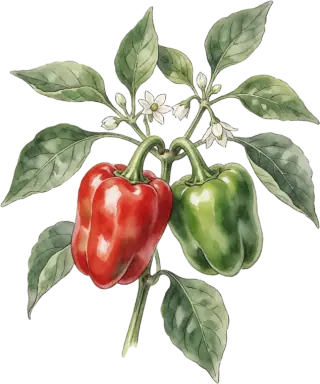
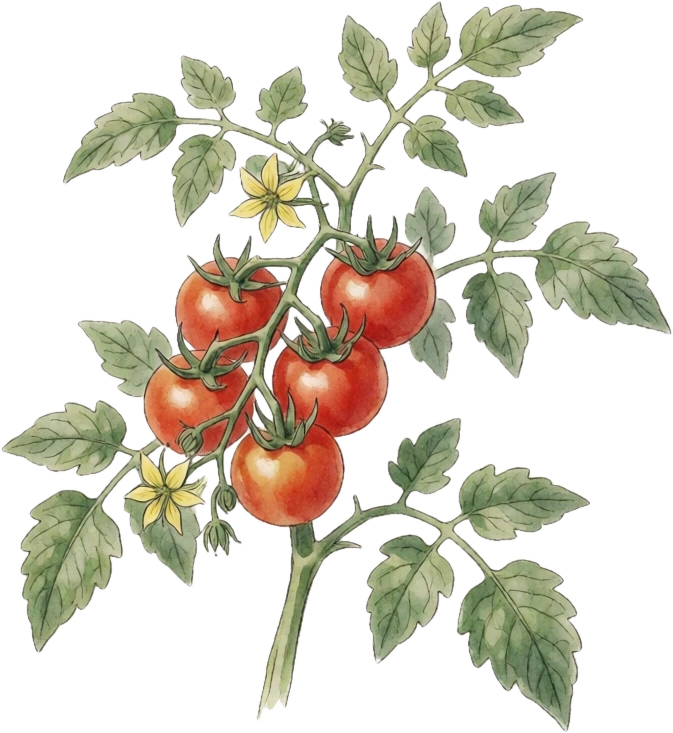
Botanical illustration of Tomato

No vegetable gap is wider than the one between a store tomato and a 'Cherokee Purple' still warm from the vine. Tomatoes picked dead ripe, July through October, are the single best return on garden space there is — sauce, salsa, sandwiches, and bragging rights included.

Fast, self-fertile, and generous, an indeterminate vine climbs 4-8 feet and just keeps producing until frost calls it. There's a variety for every ambition — 'Sun Gold' for snacking, 'Celebrity' for reliability. Clear the sunniest bed you have; the tomato will justify it.

Where to buy tomato — 8 nurseries compared

  • Full Sun
  • Moderate water
  • Fast growth
  • Excellent edible
  • Attracts bees
  • None winter chill
  • Juglone-sensitive
Tomato — a print from the Plant Library collection

From the print shop

Growing tomato? Hang it.

Our Plant Library collection carries tomato — Solanum lycopersicum, print Nº 481, “Tomato.”

526 designsfrom $12.99white or black backgroundmatte poster, unframed

Shop Plant Library botanical prints →

✓

Will it fruit where you are?

Enter your ZIP — we look up your USDA hardiness zone (2023 map) and check it against what tomato actually needs.

Life cycleAnnual
Winter chillNone
PollinationSelf-fertile

Tomato · Common problems

Common tomato problems

Pests, diseases and weather to keep an eye on.

Tomato · Growing & propagation

Growing tomato

Light, water, soil, propagation and the season’s jobs.
What it needsThe details
Light
Full Sun
Water
Deep, consistent. 1-2 inches/week. Irregular water causes cracking/blossom end rot
Soil
Rich, Well-drained Loam · pH 6.2 - 6.8
Fertilizer
At planting and at first fruit set

Low nitrogen once fruiting (leaves over fruit otherwise).

Pruning
Throughout season

Prune suckers on indeterminates for airflow, never remove more than 1/3. Determinates: minimal.

Spacing
24-36 inches

How to plant & propagate tomato

Maturity
60-85 days from transplant
From seed
Start indoors 6-8 wks before last frost

Germinates 70-85°F

Propagate
From seed

Tomato · Harvest & keeping

What you get from tomato

How long before it bears, how much it gives, how you know it is ready, and how long it keeps once picked.
Botanical illustration of Tomato
Years to first harvest
0 years
Typical yield
10–30 lbs
What you eat
Fruit
How to tell it is ready
Full color with a slight give
How long it keeps
about a week on the counter

Tomato · Seasonal care & spray guidance

The tomato growing playbook

Field-tested instructions for every job tomato asks of you, compiled from university extension guidance — in the order the season brings them.

When to spray tomato

Growing season. Mulch at planting to stop soil splash (blight vector). Copper or chlorothalonil at first blight sign; repeat 7-10 days in wet weather. Remove lower 12 inches of leaves once established.

As growth begins

early spring

3 jobs
SowingIn spring

Start tomato seeds indoors, five to six weeks before you plant out

Sow into moist seed-starting mix about a quarter inch deep and keep the flat warm and under strong light. Count back five to six weeks from the date you can safely plant out — which is after your last frost AND once soil is above 60F — not from the last frost date itself and not from any fixed calendar date. Tomatoes need a long warm season to set and ripen fruit, but a seedling held indoors too long gets leggy and root-bound and sulks for weeks after planting. Five to six weeks produces a stocky plant that keeps growing the day it goes in the ground.

Planting outIn spring

Plant out once frost is past and the soil is above 60F

Harden seedlings off first by setting them outside in wind shelter and partial sun, adding exposure over a week or two and bringing them in if nights approach freezing. Then plant deep, burying the stem up to just below the lowest leaves, or lay the seedling in a three to four inch trench with only the top leaves out. Set them out in late afternoon or on a cool, cloudy, calm day. Tomato stems grow roots anywhere they touch soil, so a buried stem becomes a bigger root system and a more drought-steady plant. Cold soil below 60F stalls root growth even when the air feels warm, which is why a plant set out too early is often overtaken by one planted two weeks later.

MulchingIn spring

Mulch once the soil has warmed, not before

Lay organic mulch around the plants after the soil has warmed past about 75F, or use black plastic from the start if you want to warm the soil instead. Apply herbicide-free grass clippings or straw three to four inches deep. Keep it pulled back an inch or so from the stems, and do not pile it so deep that the soil stays sodden. Early blight and Septoria spores overwinter in last year's debris in the soil and reach the plant when rain splashes soil onto the lowest leaves. A mulch layer is a physical lid on that splash. It also buffers soil moisture, which is the real lever on blossom end rot, since calcium only moves into young fruit when moisture is steady. Applied before the soil warms, though, mulch works against you — it locks the cold in.

Through summer

the growing season

4 jobs
WateringIn summer

Water deeply and infrequently to head off blossom end rot

Apply one to two inches per week as one or two deep soakings rather than daily sprinkles, and count rainfall toward it. Water at the base and keep the foliage dry. Do not let plants go into the night water-stressed. Blossom end rot is not a disease and usually not a soil calcium shortage. Calcium rides into the fruit on the water the plant takes up, so a plant swinging between bone dry and soaked cannot deliver it to the fruit tip no matter how much calcium sits in the soil. Steady moisture is the fix, not a calcium spray.

FeedingThrough summer

Side-dress when the first fruits start to enlarge

Wait until the first fruits are visibly swelling, then scatter fertilizer alongside the row and water it in: about half a cup of 46-0-0, or one cup of 27-3-3, or three and a half cups of 10-3-1 per 100 feet of row. For a handful of plants, USU's rate is about half a tablespoon of 21-0-0 per plant at four and eight weeks after transplanting. Fruit enlargement is when demand outruns what the soil is supplying. Feeding nitrogen earlier than this buys you a tall leafy plant that flowers late and sets less, because the plant spends the nitrogen on vegetative growth while conditions are still easy.

What to watch forIn June, July and August

Scout tomatoes for hornworm

Check at dusk for dark frass and stripped stems; hand-pick the caterpillars. Early removal saves the plant; Bt works if numerous.

SprayingThrough summer

Early blight and Septoria: start chlorothalonil as the canopy closes

Begin spraying chlorothalonil, or a copper product if you garden organically, as the plants get big enough to shade their own lower leaves, and before you see spots. Repeat on a 7 to 14 day interval through the rest of the season, covering the undersides of the lower leaves. Stake or cage the plants and strip the lowest leaves as they go so air moves through. Alternaria solani and Septoria survive in last season's debris and infect the bottom leaves first, then climb. Both need long hours of leaf wetness, which is exactly what a closing canopy creates by trapping humidity. Once the target-ringed spots are visible the spore load is already in the planting, and a fungicide that only protects healthy tissue can no longer catch up.

Harvest time

as it ripens, and picking

1 job
HarvestingAs fruit ripens

Pick fully colored but still firm

A tomato takes about 25 to 35 days to go from open flower to ripe, faster in heat and slower in cool weather, so start checking a month after bloom. Pick when the color is full but the fruit is still firm. Ripen anything you pick early indoors at room temperature, laid one layer deep and not touching. Fruit picked at full color has already received everything the plant will send it, and waiting for softness on the vine mostly buys splitting and pest damage. Ripening runs on warmth, not light, so a sunny windowsill is no better than a warm counter and often cooks the fruit instead.

After harvest

autumn, and putting it to bed

1 job
PruningAfter harvest

Pull and destroy the vines when the season ends

Pull the plants roots and all and bury or burn them where local rules allow, rather than leaving them standing. If any plant showed late blight, bag it and bin it. Pull volunteer tomato seedlings next spring too, and do not plant tomatoes, potatoes, peppers or eggplant on that ground for three or four years. Early blight and Septoria overwinter in the debris you leave behind, so this season's dead vines are next season's first infection. Late blight is the sharper case: it does not survive on dead tissue but rides through winter in living tissue like cull potatoes and volunteer seedlings, which is why those plants get bagged and not composted. A home compost pile rarely gets hot enough to kill either.

Tomato · Companion plants

Tomato companion plants

Avoid

Underlined names have their own growing guide in this library.

Tomato · Calculators & field guides

A little help in the garden.

Calculators for the figures. Field guides for the hands-on work.

Tomato · Yearly calendar

The tomato year, month by month

What tomato asks for, month by month.

Jan

PruneJanuary to December

MonthJanFebMarAprMayJunJulAugSepOctNovDec
Bloom
Prune
Harvest

BloomJune

PruneJanuary to December

HarvestJuly to October

What each band means

  • Bloom — flowers open — pollinators working, frost on blossoms is the danger.
  • Prune — shape it now — cuts heal cleanly and structure is visible.
  • Harvest — picking time — check ripeness every few days.

These are the species' typical months — expect them a few weeks earlier in warm zones and later in cold ones. Watch the plant, not just the calendar.

Tomato · Ecology & uses

Ecology & uses

What it does for the garden, and what it is grown for.
Botanical illustration of Tomato

Solanum lycopersicum

Tomato in the garden system

  • Herbaceous layer annual
Attracts
Bees
Moisture
Facultative / average
Deer
Browsed

Protect young plants

Origin
Introduced
Juglone
Tomato is sensitive to juglone

The toxin exuded by black walnut, butternut, and their relatives. Keep it 50+ ft from any walnut or hickory, or its leaves will yellow, wilt, and die back for no obvious reason.

What tomato is grown for

! Some parts toxic — see notesFoliage toxic — fruit safe

Use
Fresh
Use
Sauce
Use
Canning
Use
Salsa
Edible value
5/5

Harvesting & storing tomato

July - October. About 60-85 days from transplant from planting.

Edibility, identification, and traditional-use notes here are general reference — not medical or veterinary advice, and not a claim that any plant treats or prevents anything. Medicinal ratings record how strongly a plant features in herbal tradition, nothing more. Never eat or dose a plant you have not positively identified. More on how to use this library.

Tomato · Varieties & cultivars

Best tomato varieties & cultivars

There are far more than these — the ones below are the named varieties of tomato people actually plant.

Named varieties of tomato differ in days to maturity, disease resistance, flavor, and habit — pick one that fits your season and space.

12 varieties

Sources & plant identity

Know what you’re growing.
See where the knowledge comes from.

Botanical illustration of Tomato

Tomato

Solanum lycopersicum

The plant, at a glance.

Botanical name
Solanum lycopersicum
Plant family
Solanaceae
Growth habit
Annual
Origin
Introduced
USDA plant symbol
SOLY2
Invasive risk
Low
Every garden is different.

Hardiness, size and timing vary with your cultivar, soil and climate.

Rooted in research.

University extension research, brought together with hands-on growing experience at Story Thyme Farms.

Explore Tomato’s sources7 reference links
for Tomato

Research from these sources

Publisher marks identify sources, not sponsorship or endorsement.

Questions

Tomato questions, answered straight.

Do I need two tomato plants to get fruit?

No — tomato is self-fertile, so a single plant will set a crop. A second one usually improves yields, but it isn't required.

Is tomato safe for kids and pets?

With care. Foliage toxic — fruit safe Site it accordingly if children or pets roam the garden. This is general reference, not medical or veterinary advice — call a vet or poison control if something has actually been eaten.

When do you harvest tomato?

July - October. From planting, expect about 60-85 days from transplant to maturity.

What grows well with tomato?

Proven companions include basil, marigold, borage — the full companion list, and what to keep away, is in the Growing tab above.

Elsewhere

Where tomato sits in the library.

Where tomato sits in the library

Grows in the same world