Tundra
Also known as U of Sask Tundra
Needs a pollinizer
- Chill
- 800–1000 hrs
- Ripens
- June (early season)
- Zones
- 2-7
- Disease
- good (resists powdery mildew)
- Size
- 4-5 ft upright shrub
- Pollination
- early bloom; needs a compatible early-blooming pollinizer (Aurora or Honey Bee)
firm, tart-sweet; holds up to mechanical/hand harvest — The go-to firm-fruited variety for home and commercial growers, but it sets no fruit without an early-blooming partner like Aurora or Honey Bee.
Where to buy ‘Tundra’
Story Thyme Farms may earn a small commission from these links, at no cost to you — it never changes what we recommend.
Borealis
Also known as U of Sask Borealis
Needs a pollinizer
- Chill
- 800–1000 hrs
- Ripens
- June (early season)
- Zones
- 2-7
- Disease
- moderate
- Size
- 3-4 ft compact shrub
- Pollination
- early bloom; needs a compatible early-blooming pollinizer (Aurora or Honey Bee)
very large, soft berries; among the best-tasting sweet-tart flavor — Often called the best-flavored home-garden haskap, but the berries are soft (pick by hand) and it must be cross-pollinated with another early bloomer.
Where to buy ‘Borealis’
Story Thyme Farms may earn a small commission from these links, at no cost to you — it never changes what we recommend.
Aurora
Needs a pollinizer
- Chill
- 800–1000 hrs
- Ripens
- Mid-late June
- Zones
- 2-7
- Disease
- good
- Size
- 5-6 ft vigorous upright shrub
- Pollination
- early-to-mid bloom; excellent pollinizer for Tundra, Borealis and the Indigo series
large, firm, well-balanced sweet-tart; high yielding — The most productive early variety and an ideal universal pollinizer, so pairing it with Tundra or Borealis pollinates the whole patch. Still self-incompatible itself.
Where to buy ‘Aurora’
Story Thyme Farms may earn a small commission from these links, at no cost to you — it never changes what we recommend.
Honey Bee
Also known as Honeybee
Needs a pollinizer
- Chill
- 800–1000 hrs
- Ripens
- June (holds fruit firmly on the bush into late summer)
- Zones
- 2-7
- Disease
- good
- Size
- 6-7 ft tall, vigorous
- Pollination
- early bloom; primarily a pollinizer for Borealis, Tundra and the Indigo series (BTI)
tart, cylindrical berries; sharper than the others — A vigorous, early-blooming pollinizer bred specifically to fertilize Borealis, Tundra and the Indigo series; tart enough that most growers plant it mainly for pollination.
Where to buy ‘Honey Bee’
Story Thyme Farms may earn a small commission from these links, at no cost to you — it never changes what we recommend.
Indigo Gem
Also known as 9-14
Needs a pollinizer
- Chill
- 800–1000 hrs
- Ripens
- June (early season)
- Zones
- 2-7
- Disease
- moderate (somewhat susceptible to powdery mildew)
- Size
- 5-6 ft upright shrub
- Pollination
- early bloom; needs a compatible pollinizer (Aurora or Honey Bee)
smaller, tangy berries with slight chewiness; heavy producer, good for jam and processing — A very heavy-yielding, tangy variety best for jam and baking, but expect smaller fruit and watch for powdery mildew in humid sites.
Where to buy ‘Indigo Gem’
Story Thyme Farms may earn a small commission from these links, at no cost to you — it never changes what we recommend.
Boreal Blizzard
Needs a pollinizer
- Chill
- 800–1000 hrs
- Ripens
- Late June-July
- Zones
- 3-7
- Disease
- good
- Size
- 5 ft upright shrub
- Pollination
- later bloom; cross-pollinate with another late Boreal-series variety (Boreal Beast or Boreal Beauty)
very large, meaty, firm berries with excellent flavor and low acidity — Produces the largest, meatiest berries of the widely sold haskaps, but it blooms later so it must be paired with Boreal Beast or Boreal Beauty, not the early BTI types.
Where to buy ‘Boreal Blizzard’
Story Thyme Farms may earn a small commission from these links, at no cost to you — it never changes what we recommend.
Boreal Beast
Needs a pollinizer
- Chill
- 800–1000 hrs
- Ripens
- July (mid-to-late)
- Zones
- 3-7
- Disease
- good
- Size
- 4-5 ft strong upright shrub
- Pollination
- later bloom; key pollinizer for Boreal Beauty and Boreal Blizzard
firm ~2 g berries with outstanding aroma and top-rated flavor — Top-rated for flavor and aroma and the key pollinizer for the late Boreal series, so it earns its place both for eating and for pollination.
Where to buy ‘Boreal Beast’
Story Thyme Farms may earn a small commission from these links, at no cost to you — it never changes what we recommend.
Boreal Beauty
Needs a pollinizer
- Chill
- 800–1000 hrs
- Ripens
- Mid-late July (up to a month later than most haskaps)
- Zones
- 3-7
- Disease
- good
- Size
- 5 ft strong upright shrub
- Pollination
- very late bloom; cross-pollinate with Boreal Beast (or Boreal Blizzard)
heavy, firm, mostly oval berries; good flavor, excellent for fresh eating and storage — Ripens up to a month later than most haskaps to extend the season, but its late bloom means it only pollinates with the other late Boreal-series bushes.
Where to buy ‘Boreal Beauty’
Story Thyme Farms may earn a small commission from these links, at no cost to you — it never changes what we recommend.
Yezberry Solo
Also known as Japanese Haskap, Lonicera caerulea var. emphyllocalyx
Partly self-fertile
- Chill
- 600–900 hrs
- Ripens
- Late May-June
- Zones
- 3-7
- Disease
- good
- Size
- 3-5 ft rounded shrub
- Pollination
- self-fruitful/self-pollinating (unusual for haskap); yields larger, more numerous berries with a second Yezberry or other Japanese haskap
large, plump, sweet berries good for fresh eating — One of the rare haskaps that will fruit on its own (self-pollinating, not apomictic), and its later-breaking Japanese dormancy handles milder, warmer-winter regions better than the Russian and Boreal types. Exact chill requirement is not well documented.
Where to buy ‘Yezberry Solo’
Story Thyme Farms may earn a small commission from these links, at no cost to you — it never changes what we recommend.
Blue Lightning
Needs a pollinizer
- Zones
- 2-7
- Size
- 5 ft shrub
- Pollination
- Russian type; needs an unrelated cultivar blooming at the same time
sweet-tart dark blue berries, borne in heavy crops — A Russian-type haskap recommended by Utah State University Extension. Plants of Russian origin are more susceptible to summer injury in warm regions and are the better bet in colder, higher-elevation areas; where summer heat is intense, Japanese types are better suited.
Where to buy ‘Blue Lightning’
Story Thyme Farms may earn a small commission from these links, at no cost to you — it never changes what we recommend.
Kamchatka
Needs a pollinizer
- Zones
- 2-7
- Size
- 5-6 ft shrub
- Pollination
- Russian type; needs an unrelated cultivar blooming at the same time
large, abundant dark blue berries — A Russian-type haskap recommended by Utah State University Extension for colder, higher-elevation areas. Like all haskaps it needs a genetically unrelated cultivar blooming at the same time to set fruit; confirm a specific pollination partner with your supplier.
Where to buy ‘Kamchatka’
Story Thyme Farms may earn a small commission from these links, at no cost to you — it never changes what we recommend.




 PruningIn winter
 Bloom
Bloom





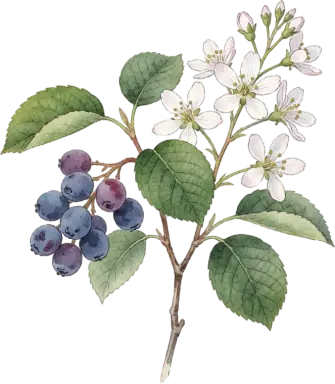 Serviceberry / Juneberry
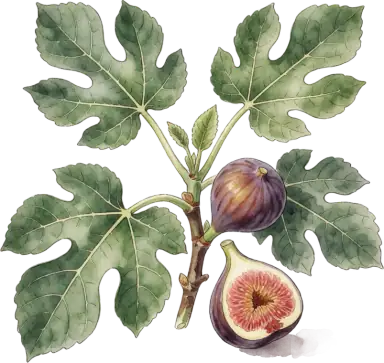 Fig
Fig Elderberry
 Blackberry