American Linden (Basswood)

Tilia americana

Family Malvaceae

TreeNativeZones 3-8

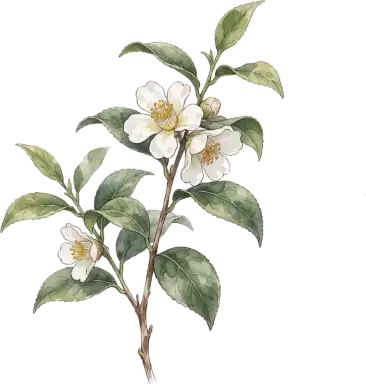
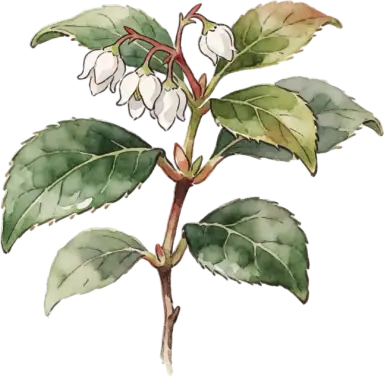
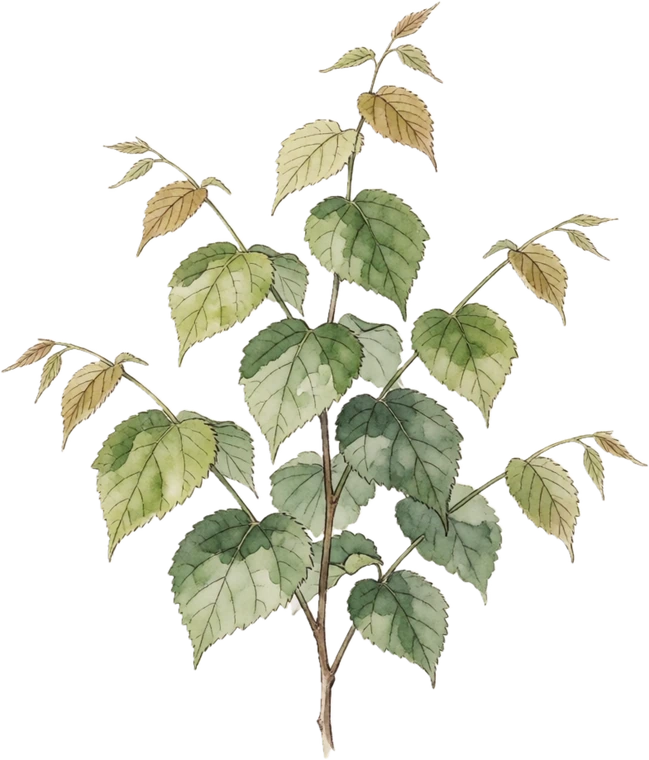
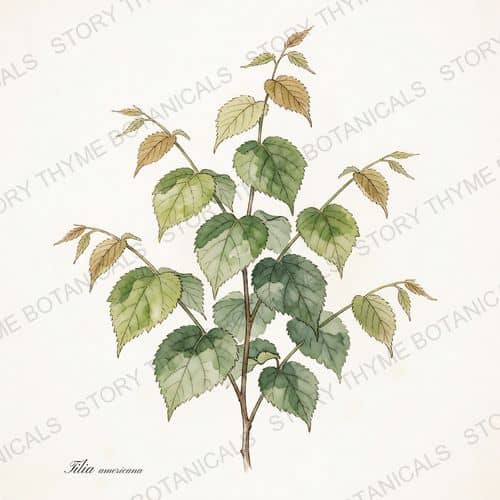
Botanical illustration of American Linden (Basswood)

For a stretch of June, one American Linden in bloom perfumes an entire block and hums like a struck tuning fork — bees travel a mile for it. Those same honey-scented flowers, dried with their pale bracts, are the beloved calming linden tea of European bedtimes.

This is a legacy tree — a native shade canopy of sixty to eighty feet whose young spring leaves are mild enough for salads and whose bloom feeds every hive in the neighborhood. You plant a linden for your street, your bees, and your grandchildren, in that order.

Where to buy american linden (basswood) — 1 nursery compared

  • Full Sun to Part Shade
  • Moderate water
  • Moderate-Fast growth
  • Native to North America
  • Attracts bees
American Linden (Basswood) — a print from the Plant Library collection

From the print shop

Growing american linden (basswood)? Hang it.

Our Plant Library collection carries american linden (basswood) — Tilia americana, print Nº 279, “American Linden (Basswood).”

526 designsfrom $12.99white or black backgroundmatte poster, unframed

Shop Plant Library botanical prints →

✓

Will it fruit where you are?

Enter your ZIP — we look up your USDA hardiness zone (2023 map) and check it against what american linden (basswood) actually needs.

Hardy inZones 3-8

American Linden (Basswood) · Common problems

Common american linden (basswood) problems

Pests, diseases and weather to keep an eye on.

Pests

3 problems on file

Diseases

1 problem on file

American Linden (Basswood) · Growing & propagation

Growing american linden (basswood)

Light, water, soil, propagation and the season’s jobs.
What it needsThe details
Light
Full Sun to Part Shade
Water
Moderate
Soil
Deep, moist, fertile · pH 6.0 - 7.5
Fertilizer
None
Pruning
Winter

Train one leader young; little else.

Spacing
40 ft

How to plant & propagate american linden (basswood)

Propagate
Seed (stratify), cuttings, or layering

American Linden (Basswood) · Seasonal care & spray guidance

The american linden (basswood) growing playbook

Field-tested instructions for every job american linden (basswood) asks of you, compiled from university extension guidance — in the order the season brings them.

While it is dormant

winter, before growth starts

2 jobs
PruningIn winter

Prune in the late dormant season, before buds swell

While the tree is still leafless, take out dead, broken and crossing branches and train young trees to a single central leader. Do not cut back the leader itself. Time it to your own site rather than the calendar: wait for the last hard freeze to pass but finish before the buds swell, which is late winter in the South and can be as late as early spring in the far North. Dormant wounds sit open only briefly before growth resumes and closes them, and the bare branch structure lets you see what to cut without leaves obscuring it. Warm-season cuts stay open longer and invite infection.

SprayingIn winter

Linden aphid: dormant oil on a leafless tree

If last summer brought heavy honeydew, spray horticultural mineral oil as a dormant or delayed-dormant application while the tree is still bare, covering twigs and bud crevices thoroughly. Delayed-dormant means just as buds begin to swell but well before any flowers appear, so read the tree rather than the calendar. Try dislodging aphids with a water spray first — the source lists that as a non-chemical option before any pesticide. The oil smothers overwintering aphids and eggs before the colonies build on the leaf undersides, which is the only cheap moment to knock the population down.

While it flowers

at bloom

1 job
HarvestingAt bloom

Pick the flowers with their bract at full bloom

When the drooping clusters of pale yellow flowers are open and heavily fragrant, pick the cluster together with the pale strap-shaped bract above it. Dry them in a single layer in a shaded, well-ventilated spot, then store airtight. The fragrance is the volatile oil that makes the tea, and it is at its peak while the flowers are freshly open. The bract dries with the flower and is part of the traditional tea.

Through summer

the growing season

2 jobs
WateringIn summer

Water deeply in heat to head off leaf scorch

Through hot dry spells, water slowly and deeply rather than often and shallowly, and keep a ring of organic mulch over the root zone without piling it against the trunk. Check the trunk for string trimmer wounds or cankers while you are there. Linden scorches when water cannot reach the leaf margin fast enough to keep up with transpiration, so the edges and tips brown and die back. Anything that restricts flow, including trunk injury, produces the same symptom.

PruningIn summer

Rub off the root sprouts at the base

Walk the trunk through the growing season and cut or rub off the shoots coming up from the roots and low on the trunk while they are still soft and green. American linden is prone to producing root sprouts at the base of the tree, and left alone they thicken into a competing shrubby skirt that steals growth from the leader.

After harvest

autumn, and putting it to bed

2 jobs
What to watch forAfter harvest

Japanese beetle: start looking as soon as bloom is over

Once the flowers are done, check the sunlit top of the canopy for beetles and lace-like skeletonized leaves. Hand-pick what you can reach into soapy water, early, before the feeding damage draws in more beetles. Linden is one of the Japanese beetle's preferred hosts, and the beetles start emerging from the ground in late June or early July. Once they are present in large numbers they are much harder to manage.

SprayingAfter harvest

Japanese beetle: chlorantraniliprole only after bloom, and only on young trees

If beetles are stripping a tree planted in the last two or three years, chlorantraniliprole gives two to four weeks of protection and is low risk to bees. Wait until flowering is completely finished. Large trees generally need a professional applicator. If you harvest this tree's flowers for tea, do not treat it unless the product label covers that use — see safety notes. Defoliation of a well established, healthy linden is usually not fatal, so the spray is worth it only where the tree is young or already in poor health and cannot afford to lose its canopy.

American Linden (Basswood) · Calculators & field guides

A little help in the garden.

Calculators for the figures. Field guides for the hands-on work.

American Linden (Basswood) · Yearly calendar

The american linden (basswood) year, month by month

What american linden (basswood) asks for, month by month.

Jan

PruneDecember to February

MonthJanFebMarAprMayJunJulAugSepOctNovDec
Bloom
Prune
Harvest

BloomJune

PruneDecember to February

HarvestMarch to May

What each band means

  • Bloom — flowers open — pollinators working, frost on blossoms is the danger.
  • Prune — shape it now — cuts heal cleanly and structure is visible.
  • Harvest — picking time — check ripeness every few days.

These are the species' typical months — expect them a few weeks earlier in warm zones and later in cold ones. Watch the plant, not just the calendar.

American Linden (Basswood) · Ecology & uses

Ecology & uses

What it does for the garden, and what it is grown for.
Botanical illustration of American Linden (Basswood)

Tilia americana

American Linden (Basswood) in the garden system

  • Canopy layer tree
  • Nectary/insectary
  • Keystone: Keystone — hosts 150+ caterpillar species
Attracts
Bees
Habitat
Woodland
Moisture
Facultative / average
Deer
Browsed

Protect young plants

Origin
Native to North America

What american linden (basswood) is grown for

✓ Commonly eaten

Use
Linden-blossom tea
Use
Honey flow
Use
Legacy shade
Edible value
3/5
Traditional use rating
3/5 in herbal tradition

Harvesting & storing american linden (basswood)

FLOWERS (with bract): the classic calming linden tea of Europe; young spring leaves are salad-mild.

Edibility, identification, and traditional-use notes here are general reference — not medical or veterinary advice, and not a claim that any plant treats or prevents anything. Medicinal ratings record how strongly a plant features in herbal tradition, nothing more. Never eat or dose a plant you have not positively identified. More on how to use this library.

American Linden (Basswood) · Varieties & cultivars

Best american linden (basswood) varieties & cultivars

There are far more than these — the ones below are the named varieties of american linden (basswood) people actually plant.

Named varieties of american linden (basswood) differ in winter-chill needs, ripening time, hardiness, and whether they set fruit on their own — pick one that fits your climate.

11 varieties

June Bride

Ripens
early summer
Zones
4-7
Size
60-70 ft

A littleleaf linden, Tilia cordata, rather than the American species. Littleleaf linden also produces few root sprouts, so there is less suckering to clean up at the base.

Where to buy ‘June Bride’

Story Thyme Farms may earn a small commission from these links, at no cost to you — it never changes what we recommend.

Sources & plant identity

Know what you’re growing.
See where the knowledge comes from.

Botanical illustration of American Linden (Basswood)

American Linden (Basswood)

Tilia americana

The plant, at a glance.

Botanical name
Tilia americana
Plant family
Malvaceae
Growth habit
Tree · Perennial
Origin
Native to North America
USDA plant symbol
TIAM
Invasive risk
Low
Every garden is different.

Hardiness, size and timing vary with your cultivar, soil and climate.

Rooted in research.

University extension research, brought together with hands-on growing experience at Story Thyme Farms.

Explore American Linden (Basswood)’s sources4 reference links
for American Linden (Basswood)

Research from these sources

Publisher marks identify sources, not sponsorship or endorsement.

Questions

American Linden (Basswood) questions, answered straight.

Is american linden (basswood) safe for kids and pets?

American Linden (Basswood) is commonly eaten and isn't considered toxic, but "commonly eaten" isn't a guarantee for any particular person or animal — allergies, quantity, and which part you eat all matter. Never eat a plant you haven't positively identified, and check with a vet before letting pets or livestock graze anything new.

When do you harvest american linden (basswood)?

FLOWERS (with bract): the classic calming linden tea of Europe; young spring leaves are salad-mild.

How do you propagate american linden (basswood)?

Seed (stratify), cuttings, or layering.

Elsewhere

Where american linden (basswood) sits in the library.

Where american linden (basswood) sits in the library

Grows in the same world