The illustrated growing guide

Roselle (Tea Hibiscus)

Hibiscus sabdariffa

Family Malvaceae

Est. zones 2-11

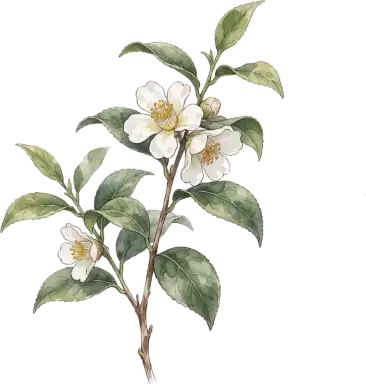
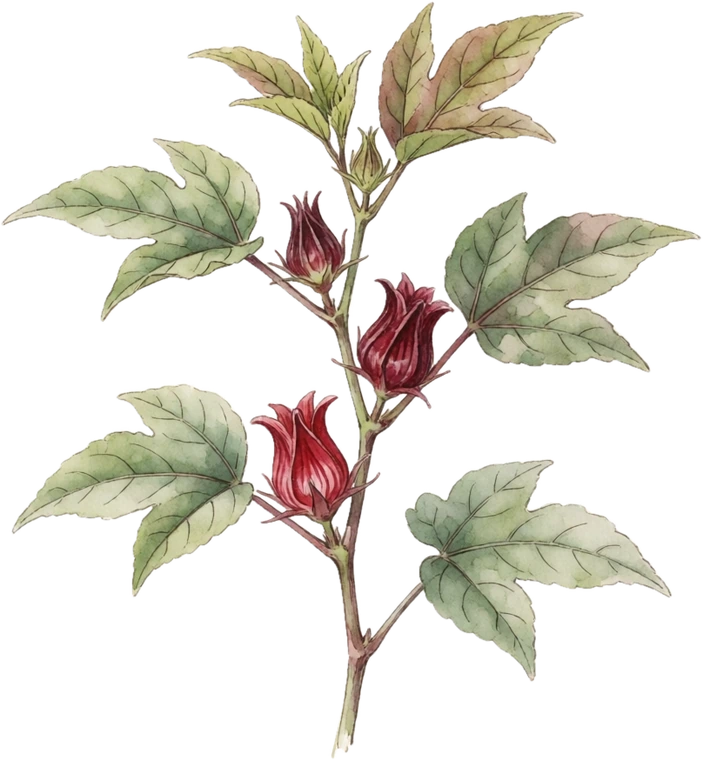
Botanical illustration of Roselle (Tea Hibiscus)
Annual · Hibiscus sabdariffa

Every red 'hibiscus tea' on every shelf is this plant's calyx. One burgundy bush yields a winter of ruby, cranberry-tart tea plus Caribbean-style greens. Short-day bloomer: northern growers start it in March and race frost for the October calyx harvest.

AnnualFull SunModerate waterFast in heat growthExcellent edibleAttracts bees

Where to buy the plant — 1 nursery

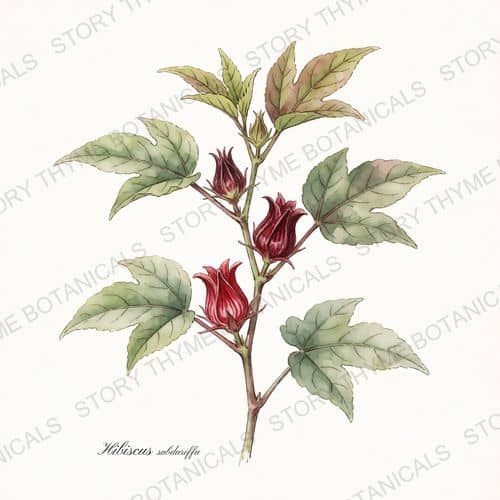
Hibiscus — a print from the Tea Herbs collection

From the print shop

Growing roselle (tea hibiscus)? Hang it.

Our Tea Herbs collection carries roselle (tea hibiscus)Hibiscus sabdariffa, print Nº 1, “Hibiscus.”

16 designsfrom $21.99white or black groundmatte poster, unframed

Shop Tea Herbs botanical prints →

I

Overview

Will roselle (tea hibiscus) suit your garden, and what goes wrong.

Will it fruit where you are?

Enter your ZIP — we look up your USDA hardiness zone (2023 map) and check it against what roselle (tea hibiscus) actually needs.

Life cycleTender perennial, grown as an annual
PollinationSelf-fertile

Roselle (Tea Hibiscus) at a glance

Life cycleTender perennial, grown as an annual
Mature size4-6 ft burgundy-stemmed
PollinationSelf-fertile hibiscus blooms
Chill requirementNot yet established
Bloom seasonLate Summer - Fall (short-day triggered)
Harvest seasonTHE CALYCES — the fleshy red pods behind the bloom = hibiscus tea (agua de jamaica); young leaves = tangy cooked green
Growth rateFast in heat

Common roselle (tea hibiscus) problems

II

Growing

Light, water, soil, propagation and the season’s jobs.

How to grow roselle (tea hibiscus): light, water & soil

LightFull Sun
WaterModerate
SoilAverage, drained · pH 5.5 - 7.0
FertilizerLight monthly; heavy N delays the calyx crop
PruningNone — Pinch at knee height for branching = more calyces.
Spacing2-3 ft

The roselle (tea hibiscus) growing playbook

Field-tested instructions for every job roselle (tea hibiscus) asks of you, compiled from university extension guidance — in the order the season brings them.

Sowing

Start roselle in flats in spring, four to six weeks before you set it out

Sow seed into flats in a greenhouse or under lights and keep them warm; germination takes five to 10 days depending on type and temperature. Grow the seedlings on for four to six weeks, then transplant to the field once frost danger has passed. Roselle will not flower until the days shorten in late summer, so the calyx crop always ripens late; the weeks you gain indoors are the weeks that let the calyces fill before frost ends the season.

Planting out

Transplant into full sun at about 36 by 18 inches after the last frost

Set plants about 36 inches between rows and 18 inches apart within the row, in full sun on well-drained soil. Wait until frost danger has passed - roselle is frost-tender and cold checks it hard. Roselle builds a tall, wide frame before it ever flowers, and crowding costs you the side branches that carry the calyx crop.

Feeding

Feed two to four weeks after planting, at the rate your soil test calls for

Two to four weeks after planting, apply fertilizer based on the results of your soil test rather than a standard rate. Roselle spends three to four months building its frame before it ever flowers, and matching fertility to the deficit your soil actually has is what supports that frame without wasting inputs.

Pruning

Pinch the growing tips early to force branching

While the plants are still young and well before the short days of late summer arrive, pinch out the growing tips. Each pinch pushes out new lateral shoots. Flowers, and therefore calyces, form on flowering shoots - early pruning increases branching and the development of more flowering shoots, so the more branches the plant carries into the short-day window, the bigger the harvest.

What to watch for

Scout for leaf-feeding insects and remove them by hand

Walk the planting regularly and check the leaves for chewing insects. Remove and dispose of affected leaves or plants physically as soon as you see damage, and note any unusual symptoms early. Roselle is generally tolerant of insect attack and disease problems are rare in it, so hand removal usually ends the problem before it ever justifies anything stronger.

There are currently no pesticides registered for pest or disease control in roselle - physical removal and disposal of affected plants is the recommended control. Applying a product not labeled for this crop to a food crop is not legal, so do not substitute a spray labeled for other hibiscus or for okra.

Pull the roots when the crop is done and check for nematode galls

After the last calyces come off, pull the plants and look the roots over for the knots and swellings of root-knot nematode. If you find them, plant roselle somewhere else next year. Root-knot nematodes are roselle's major pest, and they build in the soil wherever a susceptible crop repeats - crop rotation is the practical control, and the roots at pull-out are the only honest look you get at the population.

Protection

Race the frost - get the calyces in before nights drop below 40F

Plan the calyx harvest to finish before temperatures drop below 40F. If an early cold snap threatens while calyces are still filling, cover the plants overnight to buy a few more ripening days. Roselle is hardy only in zones 9 and 10 and is damaged by frosts or freezes, and because bloom is triggered by shortening days the crop ripens right into the cold end of the season.

Harvesting

Pick each calyx about two weeks after its flower drops

Watch the bloom fade and fall, then come back about two weeks later when the calyx behind it has reached full size. Snap it off while it is still plump, tender and glossy, and twist the seed pod out of the middle. Pick early and often to keep new calyces coming. The calyces are fleshy and ready for harvest when they reach their maximum size two weeks after flowering; left past that they go brown and leathery on the plant, which is tough and no good for tea.

III

The year

What roselle (tea hibiscus) asks for, month by month.

The roselle (tea hibiscus) year, month by month

MonthJanFebMarAprMayJunJulAugSepOctNovDec
Bloom

What each band means

  • Bloomflowers open — pollinators working, frost on blossoms is the danger.

The roselle (tea hibiscus) year as text

  • Jan quiet month
  • Feb quiet month
  • Mar quiet month
  • Apr quiet month
  • May quiet month
  • Jun quiet month
  • Jul quiet month
  • Aug bloom
  • Sep bloom
  • Oct bloom
  • Nov bloom
  • Dec quiet month

These are the species' typical months — expect them a few weeks earlier in warm zones and later in cold ones. Watch the plant, not just the calendar.

IV

Ecology & uses

What it does for the garden, and what it is grown for.

Roselle (Tea Hibiscus) in the garden system

  • Herbaceous layer annual
AttractsBees
MoistureFacultative / average
DeerBrowsed — protect young plants
OriginIntroduced

What roselle (tea hibiscus) is grown for

✓ Commonly eatenit's the red 'hibiscus' in every herbal tea blend

UseHibiscus tea
UseAgua fresca
UseEdible landscaping
Edible value4/5

Harvesting & storing roselle (tea hibiscus)

THE CALYCES — the fleshy red pods behind the bloom = hibiscus tea (agua de jamaica); young leaves = tangy cooked green.

Edibility, identification, and traditional-use notes here are general reference — not medical or veterinary advice, and not a claim that any plant treats or prevents anything. Medicinal ratings record how strongly a plant features in herbal tradition, nothing more. Never eat or dose a plant you have not positively identified. More on how to use this library.

V

Cultivars

Named varieties of roselle (tea hibiscus), ruled as a catalogue.

Best roselle (tea hibiscus) varieties & cultivars

2 on file

Named varieties of roselle (tea hibiscus) differ in winter-chill needs, ripening time, hardiness, and whether they set fruit on their own — pick one that fits your climate.

Thai Red · Thai Red Roselle;Thai Red Early

RipensLate summer until frostZones3-11Size3-5 ft, red stems and leaf veins

Tart and cranberry-like; leaves are citrusy — A frost-tender perennial grown as an annual anywhere frost falls, and hardy in the ground only in the far south. Southern Exposure calls it the only variety in several trials to begin flowering by mid-summer in Virginia, where day-length-bound types wait until late September. Germinates at 75-85F in seven to fourteen days; transplant after the last frost and space plants three to six feet apart.

Where to buy ‘Thai Red

Story Thyme Farms may earn a small commission from these links, at no cost to you — it never changes what we recommend.

Victor

RipensOctober to NovemberZones9-10

Tart and cranberry-like — UF/IFAS names Victor as a good roselle variety for South Florida, and it is hardy in the ground only in zones 9-10. Like other day-length-sensitive types it holds off flowering until the days shorten, with calyces ready in October or November, so it suits long-season subtropical gardens rather than short northern seasons.

Where to buy ‘Victor

Story Thyme Farms may earn a small commission from these links, at no cost to you — it never changes what we recommend.

VI

Sources & plant ID

Where the care distinctions come from, and how the plant is filed.

Research basis

Sources behind this profile

No extension citations are attached to roselle (tea hibiscus)yet. The care figures below come from the library's own catalogue rather than a traced primary source.

Plant ID

BinomialHibiscus sabdariffa
FamilyMalvaceae
TypeAnnual · Tender Perennial
USDA symbolHISA2
OriginIntroduced
Invasive riskLow

VII

Where to buy

Third-party nurseries — not Story Thyme Farms.

Third-party nurseries, not Story Thyme Farms. Prices are theirs.

Story Thyme Farms may earn a small commission from these links, at no cost to you — it never changes what we recommend.

VIII

Questions

Roselle (Tea Hibiscus) questions, answered straight.

Do I need two roselle (tea hibiscus) plants to get fruit?

No — roselle (tea hibiscus) is self-fertile, so a single plant will set a crop. A second one usually improves yields, but it isn't required.

Is roselle (tea hibiscus) safe for kids and pets?

Roselle (Tea Hibiscus) is commonly eaten and isn't considered toxic, but "commonly eaten" isn't a guarantee for any particular person or animal — allergies, quantity, and which part you eat all matter. One caveat on this one: it's the red 'hibiscus' in every herbal tea blend. Never eat a plant you haven't positively identified, and check with a vet before letting pets or livestock graze anything new.

When do you harvest roselle (tea hibiscus)?

THE CALYCES — the fleshy red pods behind the bloom = hibiscus tea (agua de jamaica); young leaves = tangy cooked green.

IX

Elsewhere

Where roselle (tea hibiscus) sits in the library.

Where roselle (tea hibiscus) sits in the library

Grows in the same world