The illustrated growing guide

Miner's Lettuce (Claytonia)

Claytonia perfoliata

Family Montiaceae

Grown as an annual

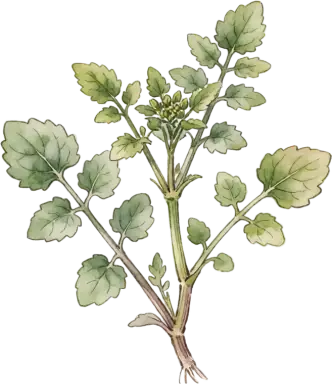
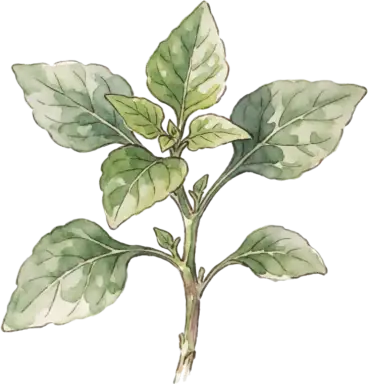
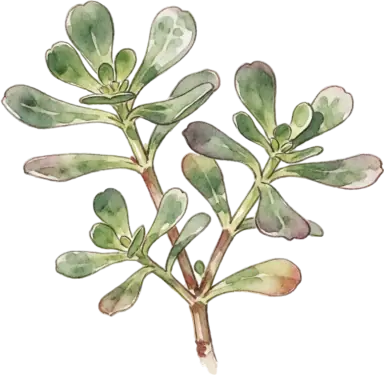
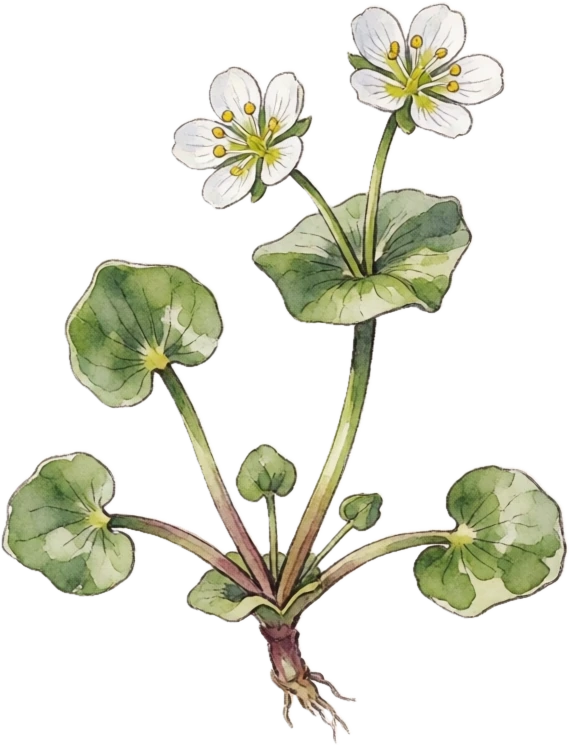
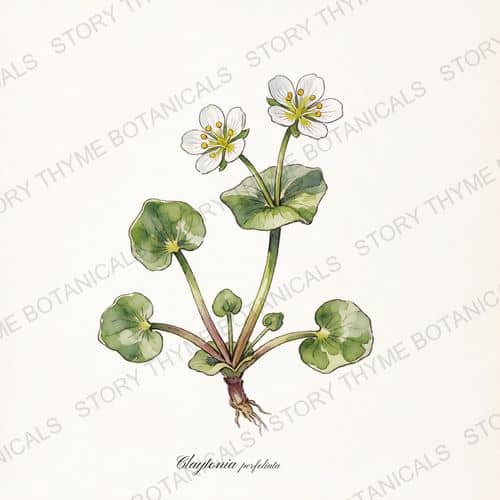
Botanical illustration of Miner's Lettuce (Claytonia)
Annual · Claytonia perfoliata

A native salad green with a party trick: the round leaf wraps completely around the stem so the tiny white flower appears to sprout from its center. Mild, succulent, and vitamin-C-rich — it kept Gold Rush miners healthy. A cool-season self-sowing groundcover for the shady edge.

Annual · NativeFull Sun to Part ShadeModerate waterFast growthNative to North AmericaExcellent edibleAttracts beesNone winter chill

Where to buy the plant — 1 nursery

I

Overview

Will miner's lettuce (claytonia) suit your garden, and what goes wrong.

Will it fruit where you are?

Enter your ZIP — we look up your USDA hardiness zone (2023 map) and check it against what miner's lettuce (claytonia) actually needs.

Life cycleAnnual
Winter chillNone

Miner's Lettuce (Claytonia) at a glance

Life cycleAnnual
Mature size4-8 in
PollinationSmall white flowers feed early pollinators
Chill requirementNone (not chill-dependent)
Bloom seasonSpring (the leaf cups the flower — distinctive)
Harvest seasonSucculent mild leaves in cool weather; the whole plant is edible, the little disc-leaf with a flower in the center is charming in salads
Growth rateFast

Common miner's lettuce (claytonia) problems

  • Almost none
  • Almost none

II

Growing

Light, water, soil, propagation and the season’s jobs.

How to grow miner's lettuce (claytonia): light, water & soil

LightFull Sun to Part Shade (cool)
WaterModerate — likes moist, cool ground
SoilRich, moist · pH 6.0 - 7.0
FertilizerNone
PruningNone — A California native that fed Gold Rush miners (hence the name, and its vitamin C kept scurvy away). Sow in fall or early spring for cool-weather salad; it self-sows into a welcome patch. Fades in heat.
Spacing3-4 in

How to plant & propagate miner's lettuce (claytonia)

Maturity40-50 days
From seedSow fall or early spring; cool-season native; self-sows
PropagateFrom seed

The miner's lettuce (claytonia) growing playbook

Field-tested instructions for every job miner's lettuce (claytonia) asks of you, compiled from university extension guidance — in the order the season brings them.

Sowing

Sow for winter: seven to eight weeks before the days drop under ten hours

Direct sow claytonia about seven to eight weeks before your daylength falls below ten hours, alongside full leaf spinach and baby kale. Count back from that date for your own latitude rather than using a fixed calendar week, and get the plants to harvestable size before growth stalls. Once daylight drops under ten hours plants nearly stop adding new growth, so whatever size the stand reaches before that point is the size it holds all winter. Sowing late means overwintering seedlings that never size up.

Spring sowing: direct seed early into cool, moist ground

Direct seed into moist, well drained ground as early as the soil can be worked, sowing where the plants will stand. Claytonia germinates in cool soil (roughly 50-60F) and germination falls off sharply once soil climbs past about 65F, so early is better than late. Fall-sown seed chills naturally over winter; for spring sowing, seed that has had about two months of cold-moist stratification germinates more reliably than untreated seed, so use fall-sown beds or pre-chilled seed if your spring stand comes up thin. This is a winter annual whose natural germination window is cool and damp. Sowing in situ into cold soil uses the plant's own timing instead of fighting it, and gets the stand up before warm soil shuts germination down.

Watering

Keep it moist and shaded to stretch the season

Site claytonia where it gets shade for part of the day, under a canopy or on the north side of taller crops, and keep the soil consistently moist. Do not let the bed dry out as the weather warms. This plant is native to moist, vernally damp sites and grows more strongly under a canopy than in the open. It bolts at the slightest heat, so shade and steady moisture buy real extra weeks of harvest.

What to watch for

Scout for slugs under the cover

Check for irregular holes with smooth edges and silvery mucous trails on the leaves. Clear debris that shelters them, handpick in the evening, set board or beer traps, and use an iron phosphate bait if the damage keeps up. The cool damp conditions under a winter cover are exactly what slugs need to feed and lay eggs, and they lay under residue on moist soil surfaces, so the same bed that keeps claytonia growing keeps them breeding.

Iron phosphate baits are nontoxic to nontarget animals but should be set in bait stations to keep pets and wildlife off them. Never use salt on slugs, as it damages the plants.

Protection

Cover it and harvest all winter

Run a low tunnel over the bed, starting with fabric row cover and switching to 4mm to 6mm poly as temperatures fall. Secure the edges with sandbags or bury them a few inches in the soil. In a cold frame, bank straw around the overwintering plants for added root insulation. Claytonia is a cool-season green grown for winter harvest under protection. A low tunnel moderates the coldest stretches and keeps the tender, spoon-shaped leaves pickable and unbattered rather than wind-burned and frozen.

Harvesting

Harvest hard once the first flowers cup in the leaves

Cut leaves and stems as a cut-and-come-again crop through the cool months. When the little flowers appear in the center of the disc leaves, take the stand down heavily rather than waiting, because the plants are close to finished. Miner's lettuce flowers from late winter into spring and then dries up entirely with the first hot weather. The bloom is the signal that the plant is spending itself on seed, not on new leaves.

The leaves contain oxalic acid, so eat it in reasonable quantities rather than as the bulk of a diet.

III

The year

What miner's lettuce (claytonia) asks for, month by month.

The miner's lettuce (claytonia) year, month by month

MonthJanFebMarAprMayJunJulAugSepOctNovDec
Bloom

What each band means

  • Bloomflowers open — pollinators working, frost on blossoms is the danger.

The miner's lettuce (claytonia) year as text

  • Jan quiet month
  • Feb quiet month
  • Mar bloom
  • Apr bloom
  • May bloom
  • Jun quiet month
  • Jul quiet month
  • Aug quiet month
  • Sep quiet month
  • Oct quiet month
  • Nov quiet month
  • Dec quiet month

These are the species' typical months — expect them a few weeks earlier in warm zones and later in cold ones. Watch the plant, not just the calendar.

IV

Ecology & uses

What it does for the garden, and what it is grown for.

Miner's Lettuce (Claytonia) in the garden system

  • Groundcover layer annual
AttractsBees
MoistureWetland / wet-tolerant
DeerBrowsed — protect young plants
OriginNative to North America

What miner's lettuce (claytonia) is grown for

✓ Commonly eatenfully edible

UseCool-season salad
UseNative forage
UseShade groundcover
Edible value4/5

Harvesting & storing miner's lettuce (claytonia)

Succulent mild leaves in cool weather; the whole plant is edible, the little disc-leaf with a flower in the center is charming in salads. About 40-50 days from planting.

Edibility, identification, and traditional-use notes here are general reference — not medical or veterinary advice, and not a claim that any plant treats or prevents anything. Medicinal ratings record how strongly a plant features in herbal tradition, nothing more. Never eat or dose a plant you have not positively identified. More on how to use this library.

V

Cultivars

Named varieties of miner's lettuce (claytonia), ruled as a catalogue.

Best miner's lettuce (claytonia) varieties & cultivars

Species

VI

Sources & plant ID

Where the care distinctions come from, and how the plant is filed.

Research basis

Sources behind this profile

No extension citations are attached to miner's lettuce (claytonia)yet. The care figures below come from the library's own catalogue rather than a traced primary source.

Plant ID

BinomialClaytonia perfoliata
FamilyMontiaceae
TypeAnnual
USDA symbolCLPE
OriginNative to North America
Invasive riskLow

VII

Where to buy

Third-party nurseries — not Story Thyme Farms.

Third-party nurseries, not Story Thyme Farms. Prices are theirs.

Story Thyme Farms may earn a small commission from these links, at no cost to you — it never changes what we recommend.

VIII

Questions

Miner's Lettuce (Claytonia) questions, answered straight.

Is miner's lettuce (claytonia) safe for kids and pets?

Miner's Lettuce (Claytonia) is commonly eaten and isn't considered toxic, but "commonly eaten" isn't a guarantee for any particular person or animal — allergies, quantity, and which part you eat all matter. One caveat on this one: fully edible. Never eat a plant you haven't positively identified, and check with a vet before letting pets or livestock graze anything new.

When do you harvest miner's lettuce (claytonia)?

Succulent mild leaves in cool weather; the whole plant is edible, the little disc-leaf with a flower in the center is charming in salads. From planting, expect about 40-50 days to maturity.

How do you propagate miner's lettuce (claytonia)?

From seed.

IX

Elsewhere

Where miner's lettuce (claytonia) sits in the library.

Where miner's lettuce (claytonia) sits in the library

Grows in the same world