The illustrated growing guide

New Zealand Spinach

Tetragonia tetragonioides

Family Aizoaceae

Est. zones 2-11

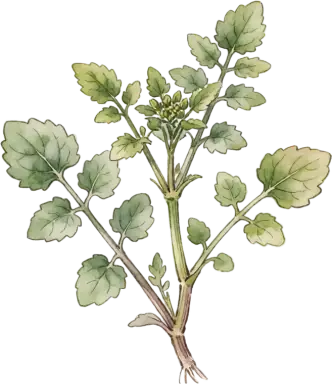
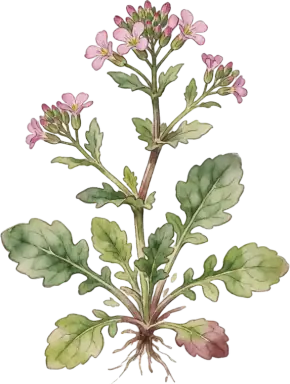
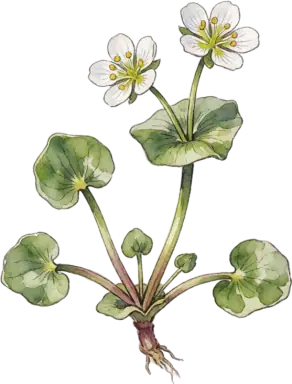
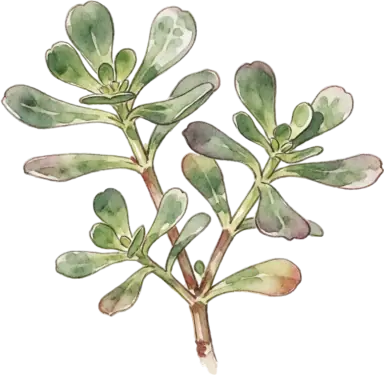
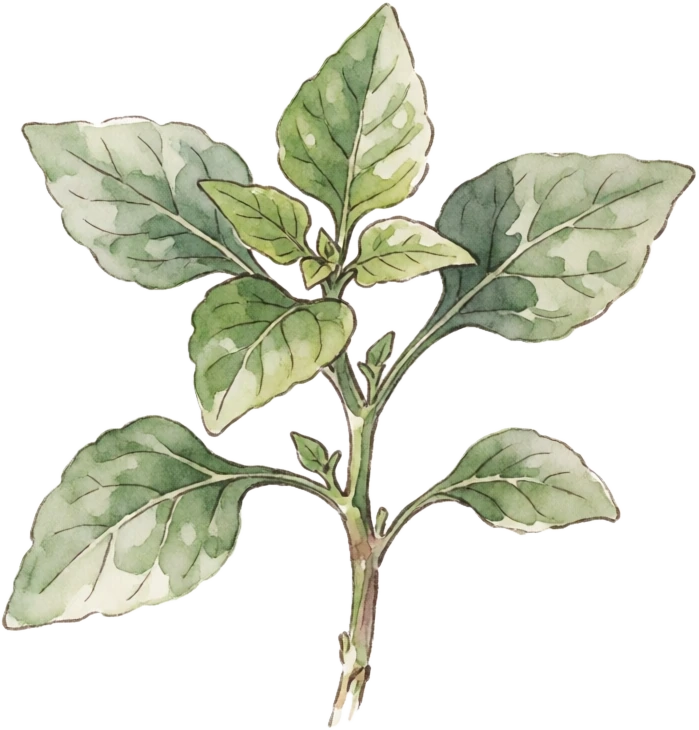
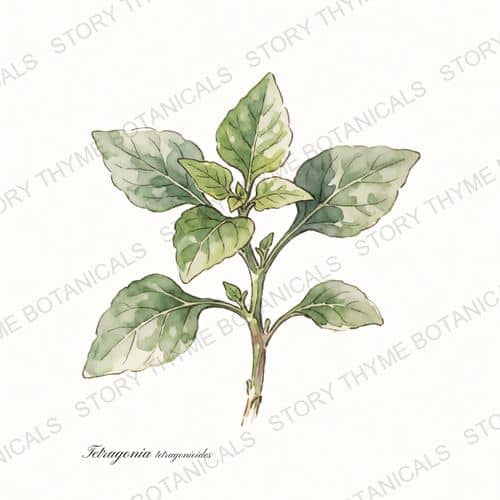
Botanical illustration of New Zealand Spinach
Annual · Tetragonia tetragonioides

The sprawling heat-proof green Captain Cook harvested to keep his sailors scurvy-free — it thrives in the sandy, salty, drought-stricken, blazing-hot conditions that finish off real spinach. Pinch the tender tips all summer and it keeps rebranching. Blanch before eating to cut the oxalic acid.

AnnualFull Sun to Part ShadeLow waterModerate growthExcellent edibleSalt-tolerant

Where to buy the plant — 2 nurseries

I

Overview

Will new zealand spinach suit your garden, and what goes wrong.

Will it fruit where you are?

Enter your ZIP — we look up your USDA hardiness zone (2023 map) and check it against what new zealand spinach actually needs.

Life cycleTender perennial, grown as an annual

New Zealand Spinach at a glance

Life cycleTender perennial, grown as an annual
Mature size1-2 ft sprawl
PollinationInsignificant
Chill requirementNot yet established
Bloom seasonSummer
Harvest seasonTender tips all summer — a spinach substitute that laughs at heat and drought; harvest the growing tips, it rebranches
Growth rateModerate

Common new zealand spinach problems

  • Almost none
  • Almost none

II

Growing

Light, water, soil, propagation and the season’s jobs.

How to grow new zealand spinach: light, water & soil

LightFull Sun to Part Shade
WaterLow-Moderate — drought- and salt-tolerant
SoilAny, tolerates sand and salt · pH 6.0 - 7.0
FertilizerLight
PruningNone — Soak the hard seeds before sowing (slow to germinate). Then it sprawls into a heat-proof, cut-and-come-again groundcover of spinach-like tips for the whole summer. Cook it (blanch to remove oxalates).
Spacing12-18 in

How to plant & propagate new zealand spinach

Maturity55-70 days
From seedSoak seed; direct-sow after frost; heat-proof
PropagateFrom seed

The new zealand spinach growing playbook

Field-tested instructions for every job new zealand spinach asks of you, compiled from university extension guidance — in the order the season brings them.

Sowing

Soak the seed overnight, then sow after your last frost

Soak seed in water for 24 hours before planting, then sow half an inch deep in loose, fertile soil about 2 inches apart, in rows 3 feet apart. Do not sow outdoors until the danger of frost has passed. Expect uneven emergence over 2 to 3 weeks, so sow thicker than feels necessary and do not give up on the bed early. What gardeners call a seed is a hard, corky dried fruit, and that woody coat is what makes germination slow and ragged. Soaking softens it so water can reach the embryo. The plant itself is frost tender and will not grow in cold soil, so sowing early buys nothing.

Planting out

Start indoors 3 to 4 weeks before last frost for an earlier cutting

Start seed indoors 3 to 4 weeks before your last frost date, soaking it first exactly as you would for direct sowing. Move seedlings to the garden once they are 1 to 2 inches tall and the frost danger has passed. Germination takes 2 to 3 weeks and is uneven, so starting indoors converts that slow, unreliable stretch into a head start instead of a gap in the bed. Since the crop is 50 to 70 days from seed to harvest, those weeks are the difference between cutting in early summer and cutting in midsummer.

Watering

Water consistently even though it tolerates drought

Water consistently through the heat of summer. The plant will survive on far less, but do not read that tolerance as permission to leave it dry. Drought tolerance here means the plant lives, not that it stays good to eat. Consistent moisture is what keeps the shoot tips tender and mild, and a plant coasting through dry spells gives tougher, stronger flavored leaves.

Mulching

Mulch to warm the soil and hold summer moisture

Mulch the bed after planting. Black plastic raises soil temperature for an earlier start, while grass clippings or shredded newspaper work well as organic alternatives. This is a heat-loving crop that will not move in cold ground, so warming the soil pays off directly in earlier growth. Through summer the same mulch suppresses weeds and conserves moisture, which keeps the leaves tender rather than tough.

Feeding

Feed nitrogen monthly to keep it in leaf and out of flower

Fertilize monthly through the growing season, applying about a quarter cup of a nitrogen fertilizer such as 21-0-0 per 10 feet of row. Work amendments into the top 6 inches at planting, using no more than 1 inch of well composted organic matter per 100 square feet. Frequent nitrogen keeps the plant producing the soft new shoots you actually eat and holds off early flowering. This is the single rule that most changes what you get, because the harvest is tender growing tips and a plant pushed toward flowering stops making them.

Thinning

Thin to 12 inches once seedlings are up

Once the seedlings are established, thin them to stand 12 inches apart within the row. Keep the rows about 3 feet apart, or 2 to 3 feet at minimum. Each plant is highly branched and reaches 1 to 2 feet tall while sprawling 2 to 3 feet across, so seedlings sown at 2 inches will smother each other by midsummer. Thinning early gives every plant the room it needs to keep rebranching after each cut, which is where the whole harvest comes from.

What to watch for

Look for beetle shot-holes, but expect to spray nothing

Walk the planting occasionally and look for small holes chewed in the leaves by beetles. Control is rarely necessary. Do not carry over a spray program from regular spinach, and note that leaf miners, the usual reason spinach growers reach for a spray, do not trouble this crop. New Zealand spinach has very good disease and insect resistance and is grown specifically as the leaf miner resistant alternative to true spinach, which is in a different plant family entirely. Cosmetic beetle holes on a plant you harvest by the tip are not worth a pesticide.

Harvesting

Cut the top 2 to 3 inches of each shoot, and keep cutting

Once plants reach 1 to 2 feet tall, cut the top 2 to 3 inches off the shoots, taking the tender tips and leaves. Cut back to about 4 inches when harvesting hard. Harvest frequently and keep picking young tips and shoots as you need them, right up until the first freeze in fall. New growth breaks from the nodes just below each cut, so harvesting is the pruning. Cut often and the plant rebranches into more tips than you started with. Stop cutting and it runs to flower and coarsens. It is a tender vegetable and will be killed by freezing, so the first hard freeze ends the crop.

III

The year

What new zealand spinach asks for, month by month.

The new zealand spinach year, month by month

MonthJanFebMarAprMayJunJulAugSepOctNovDec
Bloom
Harvest

What each band means

  • Bloomflowers open — pollinators working, frost on blossoms is the danger.
  • Harvestpicking time — check ripeness every few days.

The new zealand spinach year as text

  • Jan quiet month
  • Feb quiet month
  • Mar quiet month
  • Apr quiet month
  • May quiet month
  • Jun bloom, harvest
  • Jul bloom, harvest
  • Aug bloom, harvest
  • Sep quiet month
  • Oct quiet month
  • Nov quiet month
  • Dec quiet month

These are the species' typical months — expect them a few weeks earlier in warm zones and later in cold ones. Watch the plant, not just the calendar.

IV

Ecology & uses

What it does for the garden, and what it is grown for.

New Zealand Spinach in the garden system

  • Groundcover layer annual
  • Living mulch
HabitatCoastal
MoistureUpland / dry
SaltSalt-tolerant — fine near roads and coasts
DeerBrowsed — protect young plants
OriginIntroduced

What new zealand spinach is grown for

✓ Commonly eatenCook before eating (oxalates); not for raw bulk

UseHeat/drought spinach
UseCoastal gardens
UseCut-and-come-again
Edible value4/5

Harvesting & storing new zealand spinach

Tender tips all summer — a spinach substitute that laughs at heat and drought; harvest the growing tips, it rebranches. About 55-70 days from planting.

Edibility, identification, and traditional-use notes here are general reference — not medical or veterinary advice, and not a claim that any plant treats or prevents anything. Medicinal ratings record how strongly a plant features in herbal tradition, nothing more. Never eat or dose a plant you have not positively identified. More on how to use this library.

V

Cultivars

Named varieties of new zealand spinach, ruled as a catalogue.

Best new zealand spinach varieties & cultivars

Species (Captain Cook fed it to his crew against scurvy)

VI

Sources & plant ID

Where the care distinctions come from, and how the plant is filed.

Research basis

Sources behind this profile

No extension citations are attached to new zealand spinachyet. The care figures below come from the library's own catalogue rather than a traced primary source.

Plant ID

BinomialTetragonia tetragonioides
FamilyAizoaceae
TypeAnnual · Tender Perennial
USDA symbolTETE3
OriginIntroduced
Invasive riskLow

VII

Where to buy

Third-party nurseries — not Story Thyme Farms.

Third-party nurseries, not Story Thyme Farms. Prices are theirs.

Story Thyme Farms may earn a small commission from these links, at no cost to you — it never changes what we recommend.

VIII

Questions

New Zealand Spinach questions, answered straight.

Is new zealand spinach safe for kids and pets?

New Zealand Spinach is commonly eaten and isn't considered toxic, but "commonly eaten" isn't a guarantee for any particular person or animal — allergies, quantity, and which part you eat all matter. One caveat on this one: Cook before eating (oxalates); not for raw bulk. Never eat a plant you haven't positively identified, and check with a vet before letting pets or livestock graze anything new.

When do you harvest new zealand spinach?

Tender tips all summer — a spinach substitute that laughs at heat and drought; harvest the growing tips, it rebranches. From planting, expect about 55-70 days to maturity.

How do you propagate new zealand spinach?

From seed.

IX

Elsewhere

Where new zealand spinach sits in the library.

Where new zealand spinach sits in the library

Grows in the same world