The illustrated growing guide

Purslane

Portulaca oleracea

Family Portulacaceae

Grown as an annual

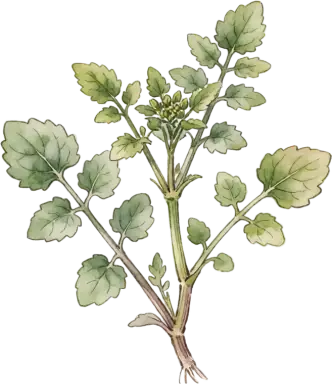
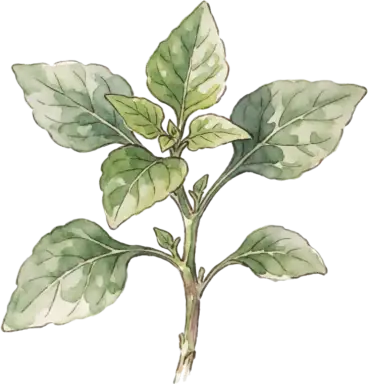
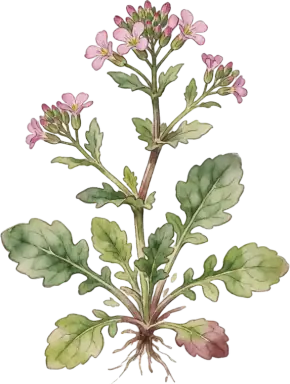
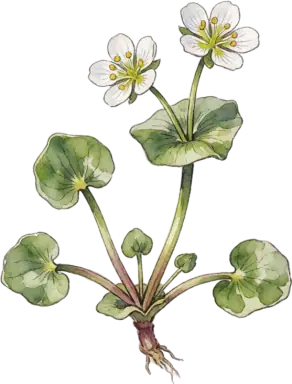
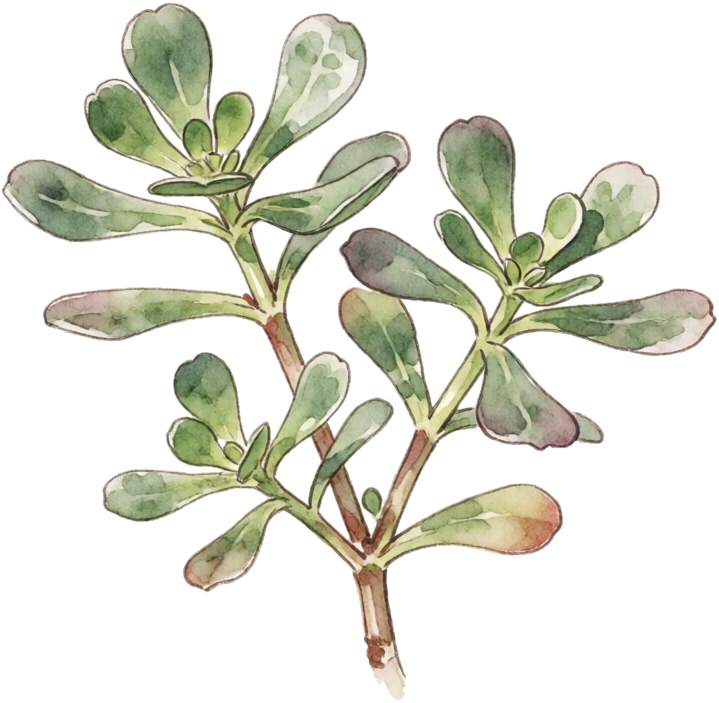
Botanical illustration of Purslane
Annual · Portulaca oleracea

The most nutritious weed in your garden — a drought-proof succulent with more omega-3s than any other leafy plant, tasting lemony and crisp. Middle Eastern and Mexican cuisines prize it. One caution: the toxic look-alike spurge has milky sap, while purslane's stems are smooth and juicy. Grow the upright cultivar for real harvests.

AnnualFull SunDrought-tolerant · low waterVery Fast growthExcellent edibleAttracts beesNone winter chill

Where to buy the plant — 1 nursery

I

Overview

Will purslane suit your garden, and what goes wrong.

Will it fruit where you are?

Enter your ZIP — we look up your USDA hardiness zone (2023 map) and check it against what purslane actually needs.

Life cycleAnnual
Winter chillNone

Purslane at a glance

Life cycleAnnual
Mature size2-6 in mat
PollinationSmall yellow flowers feed bees
Chill requirementNone (not chill-dependent)
Bloom seasonSummer
Harvest seasonSucculent leaves and stems all summer — lemony, crunchy, and the richest plant source of omega-3 fatty acids known
Growth rateVery Fast

Common purslane problems

  • Almost none — it IS considered a weed
  • Almost none

II

Growing

Light, water, soil, propagation and the season’s jobs.

How to grow purslane: light, water & soil

LightFull Sun
WaterLow — a succulent; drought-proof
SoilAny, even poor and dry · pH 5.5 - 7.5
FertilizerNone
PruningNone — The 'weed' that's a superfood: most gardeners pull it, but it's a crunchy, lemony, omega-3-packed succulent green delicious raw or cooked. Grow the upright 'Golden' cultivar for bigger leaves. It self-sows enthusiastically — a feature if you eat it.
SpacingSelf-sows densely

How to plant & propagate purslane

Maturity40-50 days
From seedDirect-sow in warmth; the upright cultivar for eating
PropagateFrom seed

The purslane growing playbook

Field-tested instructions for every job purslane asks of you, compiled from university extension guidance — in the order the season brings them.

Sowing

Direct sow once the soil hits 60F

Wait until frost danger has passed and the soil has warmed to about 60F, then direct sow into fertile, well-drained ground and press the fine seed into the surface rather than burying it. Sow a fresh short row every two to three weeks for a summer of tender growth. Purslane is a heat-loving summer annual that will not germinate in cold ground - it waits for 60F soil, which is why it appears in late spring in cool regions and as early as February in the desert Southwest.

Thinning

Thin seedlings to 4 to 6 inches apart

Once seedlings have their first true leaves, thin them to stand 4 to 6 inches apart. Eat the thinnings - they are the same crop, just smaller. Crowded purslane sprawls flat and stays small, while thinned plants of the cultivated strains grow upright with larger leaves and longer, easier-to-cut stems.

Pruning

Pinch off the flowers before they set seed

As soon as the small yellow flowers open, pinch or cut them off, and keep cutting the patch back hard. Do not let any plant carry seed capsules to maturity, and pull any volunteer that escapes into the wider garden. Purslane seed can start forming about three weeks after you notice the seedlings, and those seeds have been known to stay viable in the soil for 40 years. One ignored bloom cycle seeds your beds for decades, and running a tiller through a seeding patch only multiplies it.

Harvesting

Cut back to two inches above the crown and let it regrow

Harvest whole plants, or cut the stems back to within two inches of the crown and the plant will push new growth for a cut-and-come-again supply through most of the summer. Take the young leaves and tender stem tips first. Pick in the morning if you want the tart, lemony edge and in the afternoon if you want it sweeter. Purslane keeps a live crown and taproot below the cut, so it regenerates readily. Its acid content swings on a daily cycle - malic acid builds overnight and converts toward glucose through the day, so the same plant tastes tangy at dawn and sweet by late afternoon.

Purslane is high in oxalates, much like spinach, so anyone prone to kidney stones should not eat it in quantity. Never harvest from lawns, roadsides, or industrial ground - purslane bioaccumulates heavy metals and salts, and lawn plants may carry herbicide residue. Wash thoroughly before eating.

Carry pulled stems out of the garden, do not leave them lying

When you pull spent plants at the end of the run, take every stem and fragment out of the bed - compost them hot, dry them completely on pavement, or bag them. Do not hoe them into the surface and do not till the bed while seed is present. The fleshy stems hold enough water to stay alive for days after they are cut or hoed, and they re-root at the nodes the moment the bed is watered. Pulled plants can even ripen a viable seed crop a week after they leave the ground, and tilling only buries and spreads that seed.

III

The year

What purslane asks for, month by month.

The purslane year, month by month

MonthJanFebMarAprMayJunJulAugSepOctNovDec
Bloom
Harvest

What each band means

  • Bloomflowers open — pollinators working, frost on blossoms is the danger.
  • Harvestpicking time — check ripeness every few days.

The purslane year as text

  • Jan quiet month
  • Feb quiet month
  • Mar quiet month
  • Apr quiet month
  • May quiet month
  • Jun bloom, harvest
  • Jul bloom, harvest
  • Aug bloom, harvest
  • Sep quiet month
  • Oct quiet month
  • Nov quiet month
  • Dec quiet month

These are the species' typical months — expect them a few weeks earlier in warm zones and later in cold ones. Watch the plant, not just the calendar.

IV

Ecology & uses

What it does for the garden, and what it is grown for.

Purslane in the garden system

  • Groundcover layer annual
  • Dynamic accumulator
AttractsBees
MoistureUpland / dry
DeerBrowsed — protect young plants
OriginIntroduced

What purslane is grown for

✓ Commonly eatenedible weed); mind the toxic look-alike spurge (milky sap = NOT purslane

UseSuperfood green
UseDrought edible
UseSelf-sowing
Edible value4/5

Harvesting & storing purslane

Succulent leaves and stems all summer — lemony, crunchy, and the richest plant source of omega-3 fatty acids known. About 40-50 days from planting.

Edibility, identification, and traditional-use notes here are general reference — not medical or veterinary advice, and not a claim that any plant treats or prevents anything. Medicinal ratings record how strongly a plant features in herbal tradition, nothing more. Never eat or dose a plant you have not positively identified. More on how to use this library.

V

Cultivars

Named varieties of purslane, ruled as a catalogue.

Best purslane varieties & cultivars

3 on file

Named varieties of purslane differ in days to maturity, disease resistance, flavor, and habit — pick one that fits your season and space.

Goldberg Golden · Golden; French Gold Leaf; Goldgelber

Self-fertile
RipensSummer, cut-and-come-againZones2-11SizeAbout 10 inches tall, upright

Mild and succulent with a lightly acerbic, lemony edge — An open-pollinated domesticated strain of Portulaca oleracea var. sativa, 50 days to maturity from emergence after direct seeding. Grows more erect than wild purslane and lacks its creeping habit, with larger golden-green leaves, which makes cutting and washing much easier. Thin to about 5 inches and succession sow for tenderness.

Where to buy ‘Goldberg Golden

Story Thyme Farms may earn a small commission from these links, at no cost to you — it never changes what we recommend.

Red Gruner · Gruner Red

Self-fertile
RipensSummer for full-size leaves, 16 to 25 days as microgreensZones2-11SizeUpright, red-tinted stems

Mild and spinach-like — Open-pollinated strain with an upright habit, red- to pink-tinted stems, and large fleshy leaves. Widely grown as a microgreen and performs in hydroponic systems, where it cuts at 16 to 25 days.

Where to buy ‘Red Gruner

Story Thyme Farms may earn a small commission from these links, at no cost to you — it never changes what we recommend.

French Green Leaf · Green Purslane

Self-fertile
RipensSummer, cut-and-come-againZones2-11SizeUpright

Mild — Selected for larger leaves and a more upright growth habit than the wild species, with a mild flavor. A good choice where the wild plant's sharpness is too much.

Where to buy ‘French Green Leaf

Story Thyme Farms may earn a small commission from these links, at no cost to you — it never changes what we recommend.

VI

Sources & plant ID

Where the care distinctions come from, and how the plant is filed.

Research basis

Sources behind this profile

No extension citations are attached to purslaneyet. The care figures below come from the library's own catalogue rather than a traced primary source.

Plant ID

BinomialPortulaca oleracea
FamilyPortulacaceae
TypeAnnual
USDA symbolPOOL
OriginIntroduced
Invasive riskLow

VII

Where to buy

Third-party nurseries — not Story Thyme Farms.

Third-party nurseries, not Story Thyme Farms. Prices are theirs.

Story Thyme Farms may earn a small commission from these links, at no cost to you — it never changes what we recommend.

VIII

Questions

Purslane questions, answered straight.

Is purslane safe for kids and pets?

Purslane is commonly eaten and isn't considered toxic, but "commonly eaten" isn't a guarantee for any particular person or animal — allergies, quantity, and which part you eat all matter. One caveat on this one: edible weed); mind the toxic look-alike spurge (milky sap = NOT purslane. Never eat a plant you haven't positively identified, and check with a vet before letting pets or livestock graze anything new.

When do you harvest purslane?

Succulent leaves and stems all summer — lemony, crunchy, and the richest plant source of omega-3 fatty acids known. From planting, expect about 40-50 days to maturity.

How do you propagate purslane?

From seed.

IX

Elsewhere

Where purslane sits in the library.