The illustrated growing guide

Goumi

Elaeagnus multiflora

Family Elaeagnaceae

Est. zones 4-9

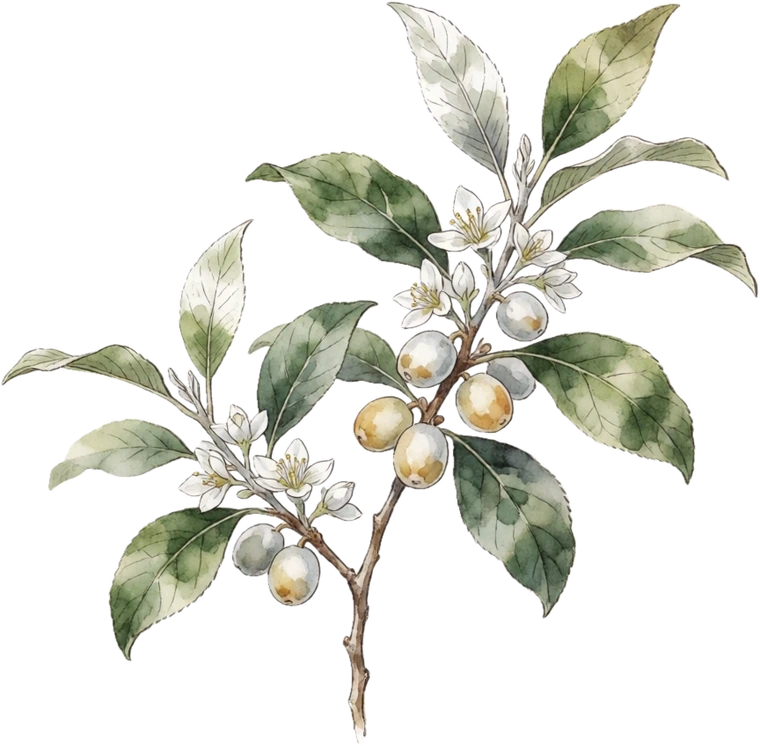
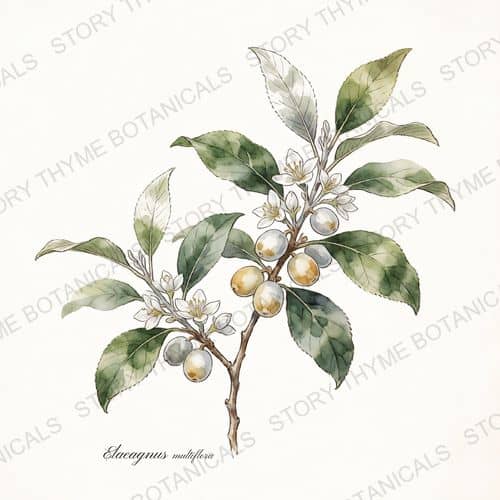
Botanical illustration of Goumi
Shrub · Elaeagnus multiflora

A dual-purpose permaculture star: nitrogen-fixing roots that feed nearby fruit trees, PLUS a heavy crop of tart-sweet red berries in June — earlier than almost anything. The spring flowers perfume the whole yard and feed the first bees. Poor soil is a feature, not a bug.

ShrubFull Sun to Part ShadeLow waterFast growthExcellent edibleAttracts bees

Where to buy the plant — 1 nursery

I

Overview

Will goumi suit your garden, and what goes wrong.

Will it fruit where you are?

Enter your ZIP — we look up your USDA hardiness zone (2023 map) and check it against what goumi actually needs.

Hardy inZones 4-9

Goumi at a glance

HardinessUSDA 4–9
Mature size6-8 ft
PollinationPlant two different cultivars to be safe — no authoritative source establishes that a single goumi will crop well alone; fragrant spring flowers feed early bees
Chill requirementNot yet established
Bloom seasonApril (tiny, INTENSELY fragrant cream bells)
Harvest seasonJune-July: speckled red cherries — tart-sweet, high in lycopene
Growth rateFast

Common goumi problems

  • Almost none
  • Almost none

II

Growing

Light, water, soil, propagation and the season’s jobs.

How to grow goumi: light, water & soil

LightFull Sun to Part Shade
WaterLow — nitrogen-FIXER, thrives in poor soil
SoilAny, tolerates poor/dry · pH 6.0 - 7.5
FertilizerNone (fixes its own N + feeds neighbors)
PruningLate Winter — Renewal-prune; it fixes nitrogen so plant it AS a fertility shrub among fruit trees.
Spacing5-6 ft

How to plant & propagate goumi

PropagateGrafted, or from cuttings/layering (seed won't come true)

III

The year

What goumi asks for, month by month.

The goumi year, month by month

MonthJanFebMarAprMayJunJulAugSepOctNovDec
Bloom
Prune
Harvest

What each band means

  • Bloomflowers open — pollinators working, frost on blossoms is the danger.
  • Pruneshape it now — cuts heal cleanly and structure is visible.
  • Harvestpicking time — check ripeness every few days.

The goumi year as text

  • Jan quiet month
  • Feb pruning
  • Mar pruning
  • Apr bloom
  • May quiet month
  • Jun harvest
  • Jul harvest
  • Aug quiet month
  • Sep quiet month
  • Oct quiet month
  • Nov quiet month
  • Dec quiet month

These are the species' typical months — expect them a few weeks earlier in warm zones and later in cold ones. Watch the plant, not just the calendar.

IV

Ecology & uses

What it does for the garden, and what it is grown for.

Goumi in the garden system

  • Shrub layer shrub
  • N-fixer
  • Nectary/insectary
AttractsBees
MoistureUpland / dry
DeerBrowsed — protect young plants
OriginIntroduced

What goumi is grown for

✓ Commonly eatenastringent until fully ripe

UseN-fixing guild shrub
UseEarly berries
UseFragrance
Edible value4/5

Harvesting & storing goumi

June-July: speckled red cherries — tart-sweet, high in lycopene.

Edibility, identification, and traditional-use notes here are general reference — not medical or veterinary advice, and not a claim that any plant treats or prevents anything. Medicinal ratings record how strongly a plant features in herbal tradition, nothing more. Never eat or dose a plant you have not positively identified. More on how to use this library.

V

Cultivars

Named varieties of goumi, ruled as a catalogue.

Best goumi varieties & cultivars

4 on file

Named varieties of goumi differ in winter-chill needs, ripening time, hardiness, and whether they set fruit on their own — pick one that fits your climate.

Sweet Scarlet · Sweet Scarlet TM

Partly self-fertile
RipensJulyZones4-8Size5-6 ft shrub

sweet, reminiscent of pie cherries — Nursery lists it as hardy to minus 25F and partially self-fertile, and recommends planting it with Red Gem for cross-pollination and heavier crops. Bearing usually starts 2-3 years after planting.

Where to buy ‘Sweet Scarlet

Story Thyme Farms may earn a small commission from these links, at no cost to you — it never changes what we recommend.


Red Gem · Red Gem TM

Partly self-fertile
RipensJulyZones4-8Size5-6 ft shrub

juicy, tart-sweet, reminiscent of pie cherries — Originally from the Russian Far East by way of the Main Botanic Garden in Kiev. Nursery reports 10-15 lbs of scarlet, silver-speckled fruit per bush and bearing 2-3 years after planting. Partially self-fertile, cropping heavier when planted with Sweet Scarlet.

Where to buy ‘Red Gem

Story Thyme Farms may earn a small commission from these links, at no cost to you — it never changes what we recommend.

Tillamook

Partly self-fertile
RipensJulyZones4-9Size6-8 ft shrub

aromatic, reminiscent of pie cherries — An Oregon selection passed on by Willamette Valley nurserywoman Lucile Whitman from cuttings taken in Tillamook, Oregon in the 1980s. Nursery lists it hardy to minus 25F and partially self-fertile, better with Red Gem or Sweet Scarlet nearby.

Where to buy ‘Tillamook

Story Thyme Farms may earn a small commission from these links, at no cost to you — it never changes what we recommend.

Carmine

Partly self-fertile
RipensJuneZones5-8Sizelarge shrub, to 12 ft by 10 ft

pleasantly tart, slightly astringent until dead ripe — A heavy-yielding Pacific Northwest selection. Nursery notes the slight astringency is lost only when the fruit is fully ripe, so this one rewards waiting. Partially self-fertile but better with a second variety. The largest of the named goumis, listed at 12 ft by 10 ft and described as growing to about 15 ft. Ripens earlier than the July goumis: Peaceful Heritage Nursery reports May 20 - June 5 in Kentucky, so expect the early end of the species window.

Where to buy ‘Carmine

Story Thyme Farms may earn a small commission from these links, at no cost to you — it never changes what we recommend.
VI

Sources & plant ID

Where the care distinctions come from, and how the plant is filed.

Research basis

Sources behind this profile

No extension citations are attached to goumiyet. The care figures below come from the library's own catalogue rather than a traced primary source.

Plant ID

BinomialElaeagnus multiflora
FamilyElaeagnaceae
TypeShrub · Perennial
USDA symbolELMU
OriginIntroduced
Invasive riskLow

VII

Where to buy

Third-party nurseries — not Story Thyme Farms.

Third-party nurseries, not Story Thyme Farms. Prices are theirs.

Story Thyme Farms may earn a small commission from these links, at no cost to you — it never changes what we recommend.

VIII

Questions

Goumi questions, answered straight.

Is goumi safe for kids and pets?

Goumi is commonly eaten and isn't considered toxic, but "commonly eaten" isn't a guarantee for any particular person or animal — allergies, quantity, and which part you eat all matter. One caveat on this one: astringent until fully ripe. Never eat a plant you haven't positively identified, and check with a vet before letting pets or livestock graze anything new.

When do you harvest goumi?

June-July: speckled red cherries — tart-sweet, high in lycopene.

How do you propagate goumi?

Grafted, or from cuttings/layering (seed won't come true).

IX

Elsewhere

Where goumi sits in the library.

Where goumi sits in the library

Grows in the same world