Globe Artichoke

Cynara scolymus

Family Asteraceae

PerennialZones 7-9

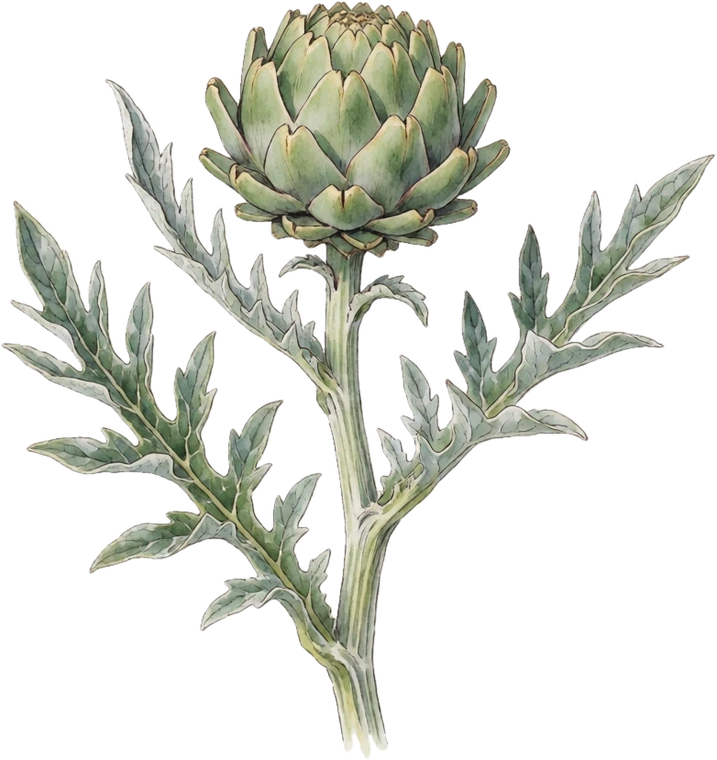
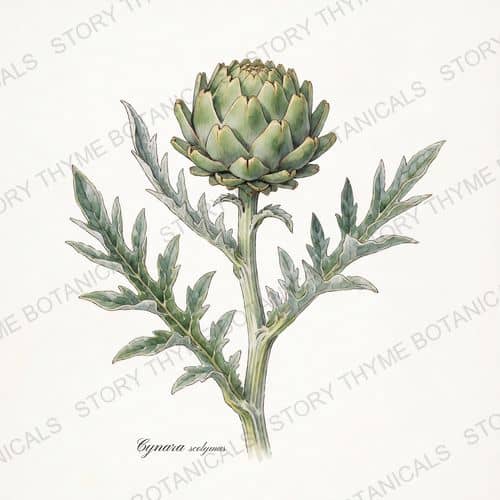
Botanical illustration of Globe Artichoke

Globe Artichoke settles the math quickly: one grocery choke costs three dollars, while one plant throws a dozen — buttery steamed hearts from your own silver thistle. And what a plant: jagged pewter foliage, three to five feet of it, the most dramatic architecture a vegetable bed can hold.

Any bud you miss opens into an electric-violet thistle bloom the bees treat as an event. Perennial in zones 7 through 9, it grows as a reliable annual farther north with an early start and a chill. Give it a rich, sunny bed and grow the showpiece you can eat.

Where to buy globe artichoke — 2 nurseries compared

  • Full Sun
  • High water
  • Fast growth
  • Excellent edible
  • Attracts bees
Globe Artichoke — a print from the Plant Library collection

From the print shop

Growing globe artichoke? Hang it.

Our Plant Library collection carries globe artichoke — Cynara scolymus, print Nº 31, “Globe Artichoke.”

526 designsfrom $12.99white or black backgroundmatte poster, unframed

Shop Plant Library botanical prints →

✓

Will it fruit where you are?

Enter your ZIP — we look up your USDA hardiness zone (2023 map) and check it against what globe artichoke actually needs.

Life cyclePerennial zones 7–9, annual elsewhere

Globe Artichoke · Common problems

Common globe artichoke problems

Pests, diseases and weather to keep an eye on.

Pests

2 problems on file

  • Aphids (in the bud scales — soak-and-shake at harvest)
  • Slugs

Diseases

2 problems on file

Globe Artichoke · Growing & propagation

Growing globe artichoke

Light, water, soil, propagation and the season’s jobs.
What it needsThe details
Light
Full Sun
Water
High

Big thirsty silver factory

Soil
RICH, deep, drained · pH 6.5 - 7.5
Fertilizer
Heavy: compost + monthly feed
Pruning
Cut to ground at frost (mulch heavily to overwinter z6-7)

Northern annual trick: start seed in Feb, chill transplants 2 weeks in the 40s (vernalization fake-out) → buds the first year.

Spacing
3-4 ft

How to plant & propagate globe artichoke

Maturity
100+ days

Annual trick

From seed
Start Feb, then chill seedlings 2 wks (vernalization) for first-year buds
Propagate
From seed

Globe Artichoke · Seasonal care & spray guidance

The globe artichoke growing playbook

Field-tested instructions for every job globe artichoke asks of you, compiled from university extension guidance — in the order the season brings them.

While it is dormant

winter, before growth starts

1 job
SowingIn winter

Start seed indoors 8 to 12 weeks before your last frost

Sow indoors in flats at 70 to 80F, 8 to 12 weeks before your last frost date. Seedlings emerge in 8 to 12 days and need 2 to 3 months to reach transplantable size, so late starts cost you the whole crop. Artichoke is a slow, big seedling that must be sizeable before it meets the cold spell that triggers budding, and a plant started late simply grows leaves all summer and never sets a head.

As growth begins

early spring

3 jobs
Planting outIn spring

Set plants out 3 to 4 weeks before the frost-free date

Transplant 3 to 4 weeks before your frost-free date, spacing plants 18 inches apart in rows 2 to 3 feet apart. Give them deep, fertile, well-drained soil high in organic matter. Going out ahead of the frost-free date is deliberate: the cool weeks that follow finish the chilling that sets buds, and artichoke tolerates light frost. The wide spacing matters because a mature plant sprawls 3 to 4 feet and crowded plants trap the humidity that aphids and gray mold exploit.

FeedingIn spring

Feed nitrogen every 4 weeks from a month after transplanting

Beginning 4 weeks after transplanting, apply about 2 teaspoons per plant of a nitrogen fertilizer such as 21-0-0, and repeat every 4 weeks through the growing season. Water it in. The edible bud is an unopened flower riding on a lot of leaf growth, and artichoke is a heavy nitrogen feeder - starve it and you get small, tough heads that open early.

ProtectionIn spring

Vernalize the seedlings at 35 to 50F for about 10 days

Before transplanting, hold the seedlings at 35 to 50F for roughly 10 days - a cold frame, an unheated porch, or simply setting them outside during a cool spell all work. Do not let them freeze. Artichoke will not initiate a flower stalk until it has felt sustained cold, so a plant that never gets chilled stays vegetative. This cold treatment is what lets growers outside zone 7 to 9 harvest buds in the first year instead of waiting for a winter the plant may not survive.

Through summer

the growing season

2 jobs
WateringThrough summer

Keep water steady at 1 to 2 inches per week

Supply 1 to 2 inches of water per week in several applications rather than one soaking, and do not let the bed dry out while buds are sizing. Artichoke is a heavy water user, and a plant checked by drought while the bud is forming pushes the bracts open and turns the head fibrous. Once a bud opens it is inedible, and no amount of later watering reverses it.

What to watch forThrough summer

Scout for artichoke aphid in warm, humid weather

Check leaflets weekly through the warm, humid stretch of summer. Treat when you average about 3 aphids per leaflet, using a strong stream of water to dislodge them or insecticidal soap on the leaf undersides. Destroy crop residue right after harvest to deny them a bridge to next year. Artichoke aphid outbreaks build under high temperatures with very high humidity, and the damage is honeydew rather than chewing: it coats developing buds, sooty mold grows on it, and the head is downgraded even though the plant lives. Aphids also carry the viruses that decline a perennial planting.

Harvest time

as it ripens, and picking

1 job
HarvestingAt harvest

Cut buds at full size while the bracts are still closed

Harvest each bud once it reaches full size but before the bracts begin to open, cutting 2 to 3 inches of stem with it. Take the large terminal bud first; the smaller side buds follow and are worth taking too. Keep cutting until frost. The bud is an immature flower, and once the bracts loosen the tissue turns woody and the choke develops - flavor and tenderness fall off fast. Cutting the terminal head also releases the side shoots to size up.

After harvest

autumn, and putting it to bed

2 jobs
MulchingIn autumn

Bury the crown for winter if you want it back next year

Cut the plant back, mound 4 to 6 inches of soil over the crown, then pile 8 to 12 inches of leaves or straw on top. Pull the cover off as growth starts in spring. Where winters are too hard for that, dig the roots and store them in moist sand or peat in a cold cellar that stays above freezing. Artichoke is a tender perennial that dies at the crown, not the leaves - the growing point sits at soil level and is what the cold kills. It carries over as a perennial only in milder-winter areas, and an insulated crown gives a plant that buds earlier and heavier than any first-year seedling.

PruningAfter harvest

Cut plants to the ground once a year to break the plume moth cycle

After the last buds are cut, take the plants down to ground level and leave them cut back for 2 to 3 months, then chop the tops and bury the debris under at least 6 inches of soil. Pull any thistles and related weeds nearby. Artichoke plume moth larvae overwinter inside the old stalks and crowns, and they are what tunnels into next year's buds. Cutting the planting down and burying the residue removes their shelter, and this sanitation is the primary control in a perennial planting. Thistles are the same plant family and act as a reservoir.

Globe Artichoke · Calculators & field guides

A little help in the garden.

Calculators for the figures. Field guides for the hands-on work.

Globe Artichoke · Yearly calendar

The globe artichoke year, month by month

What globe artichoke asks for, month by month.

Jan

No calendar activity is listed for this month.

MonthJanFebMarAprMayJunJulAugSepOctNovDec
Bloom

BloomJune to September

What each band means

  • Bloom — flowers open — pollinators working, frost on blossoms is the danger.

These are the species' typical months — expect them a few weeks earlier in warm zones and later in cold ones. Watch the plant, not just the calendar.

Globe Artichoke · Ecology & uses

Ecology & uses

What it does for the garden, and what it is grown for.
Botanical illustration of Globe Artichoke

Cynara scolymus

Globe Artichoke in the garden system

  • Herbaceous layer perennial
  • Nectary/insectary
Attracts
Bees
Moisture
Facultative / average
Deer
Browsed

Protect young plants

Origin
Introduced

What globe artichoke is grown for

✓ Commonly eaten

Use
Steamed chokes
Use
Silver drama
Use
Bee blooms (spares)
Edible value
4/5

Harvesting & storing globe artichoke

Cut buds tight and squeaky, 3 in of stem — main head first, side chokes follow. About 100+ days (annual trick) from planting.

Edibility, identification, and traditional-use notes here are general reference — not medical or veterinary advice, and not a claim that any plant treats or prevents anything. Medicinal ratings record how strongly a plant features in herbal tradition, nothing more. Never eat or dose a plant you have not positively identified. More on how to use this library.

Globe Artichoke · Varieties & cultivars

Best globe artichoke varieties & cultivars

There are far more than these — the ones below are the named varieties of globe artichoke people actually plant.

Named varieties of globe artichoke differ in winter-chill needs, ripening time, hardiness, and whether they set fruit on their own — pick one that fits your climate.

5 varieties

Imperial Star

Ripens
First summer from a January sowing
Zones
7-9
Size
Medium plants 3 to 4 ft, buds 3 to 4 in across

Mild, small heart — Bred specifically for annual production from seed, which is why it is the default choice north of zone 7 - it will perennialize in zone 7 and warmer but does not need to. Nearly spineless, 6 to 8 buds per plant.

Where to buy ‘Imperial Star’verified

Story Thyme Farms may earn a small commission from these links, at no cost to you — it never changes what we recommend.

Sources & plant identity

Know what you’re growing.
See where the knowledge comes from.

Botanical illustration of Globe Artichoke

Globe Artichoke

Cynara scolymus

The plant, at a glance.

Botanical name
Cynara scolymus
Plant family
Asteraceae
Growth habit
Perennial · Tender Perennial
Origin
Introduced
USDA plant symbol
CYSC2
Invasive risk
Low
Every garden is different.

Hardiness, size and timing vary with your cultivar, soil and climate.

Rooted in research.

University extension research, brought together with hands-on growing experience at Story Thyme Farms.

Explore Globe Artichoke’s sources9 reference links
for Globe Artichoke

Research from these sources

Publisher marks identify sources, not sponsorship or endorsement.

Questions

Globe Artichoke questions, answered straight.

Is globe artichoke safe for kids and pets?

Globe Artichoke is commonly eaten and isn't considered toxic, but "commonly eaten" isn't a guarantee for any particular person or animal — allergies, quantity, and which part you eat all matter. Never eat a plant you haven't positively identified, and check with a vet before letting pets or livestock graze anything new.

When do you harvest globe artichoke?

Cut buds tight and squeaky, 3 in of stem — main head first, side chokes follow. From planting, expect about 100+ days (annual trick) to maturity.

How do you propagate globe artichoke?

From seed.

Elsewhere

Where globe artichoke sits in the library.

Where globe artichoke sits in the library

Grows in the same world