Beet

Beta vulgaris

Family Amaranthaceae

AnnualZones 2-11

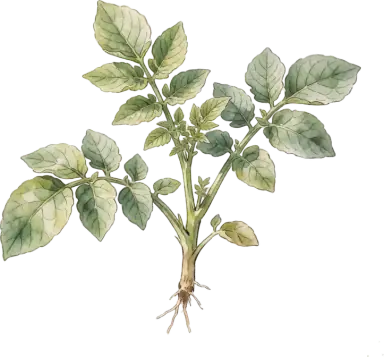
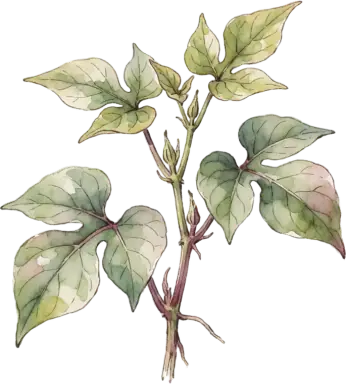
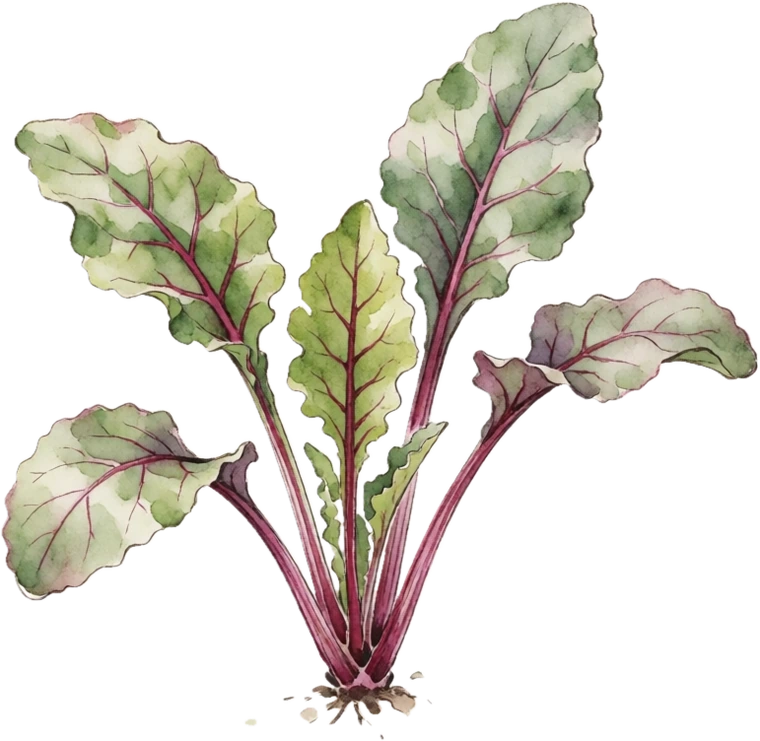
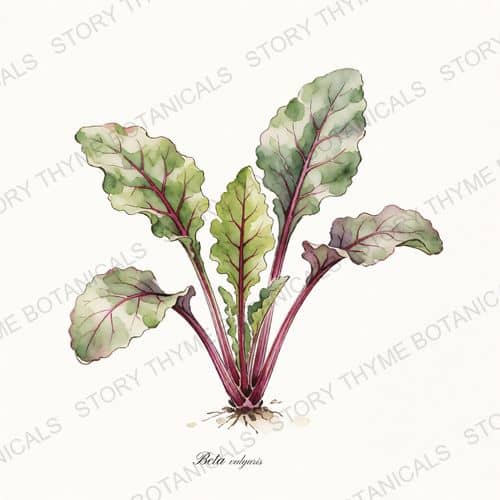
Botanical illustration of Beet

Every beet is two vegetables wearing one seed coat: the sweet, earthy root that roasts into candy, and tops many gardeners quietly rate above chard. Pull a spring crop from May through July, then sow again in August for fall roots that come up even sweeter.

Compact, fast, and content in any sunny bed, beets are a small-garden multiplier — salad greens while you wait, roots for roasting, pickling, and the storage bin after that. Few crops return more dinner per square foot. Leave a short row open for them this season.

Where to buy beet — 6 nurseries compared

  • Full Sun
  • Moderate water
  • Fast growth
  • Excellent edible
Beet — a print from the Plant Library collection

From the print shop

Growing beet? Hang it.

Our Plant Library collection carries beet — Beta vulgaris, print Nº 48, “Beet.”

526 designsfrom $12.99white or black backgroundmatte poster, unframed

Shop Plant Library botanical prints →

✓

Will it fruit where you are?

Enter your ZIP — we look up your USDA hardiness zone (2023 map) and check it against what beet actually needs.

Life cycleBiennial, grown as an annual

Beet · Common problems

Common beet problems

Pests, diseases and weather to keep an eye on.

Beet · Growing & propagation

Growing beet

Light, water, soil, propagation and the season’s jobs.
What it needsThe details
Light
Full Sun
Water
Moderate, even

Woody roots come from drought checks

Soil
Loose, stone-free

Boron-hungry · pH 6.0 - 7.0

Fertilizer
Compost at sowing; avoid heavy nitrogen

Tops over roots

Pruning
None

THIN — each 'seed' is a cluster of 2-4; snip extras with scissors (the thinnings are salad).

Spacing
3-4 in after thinning

How to plant & propagate beet

Maturity
50-65 days
From seed
Direct-sow

Each 'seed' is a cluster — thin

Propagate
From seed

Beet · Seasonal care & spray guidance

The beet growing playbook

Field-tested instructions for every job beet asks of you, compiled from university extension guidance — in the order the season brings them.

When to spray beet

Growing season. Row cover blocks leaf miner completely.

As growth begins

early spring

3 jobs
SowingIn spring

Sow the spring crop once soil reaches 40F

Direct sow half an inch to an inch deep as soon as soil reaches 40F, about 2 to 3 weeks before your average last frost, in rows 12 to 18 inches apart. Expect 7 to 14 days to emerge. Sow a short row every 3 weeks rather than all at once. Beet seed germinates best at 55 to 75F and germination falls off above 80F, while the plant itself grows best below 85F. A crop started late spends its bulking weeks in heat that stalls it, so the early sowing is the one that works.

FeedingIn spring

Fertilize before seeding, then sidedress nitrogen at 6 weeks

Work fertilizer in before seeding and keep soil pH at 6.5 to 6.8 (New England Vegetable Management Guide, nevegetable.org/crops/beet-and-swiss-chard). On sandy soil, or where a soil test shows boron low, apply 6 to 7 level tablespoons of borax per 1000 square feet of garden area. Six weeks after emergence, sidedress a quarter cup of a nitrogen fertilizer such as 21-0-0 per 10 feet of row and water it in (Utah State University Extension, extension.usu.edu/yardandgarden/research/beets-in-the-garden). Beets are unusually boron-hungry and boron sits at the root of the most common beet failure: black sunken spots inside the root that you only discover when you cut it open. The nitrogen lands at six weeks because that is when the canopy is established and the root starts to swell.

ThinningIn spring

Thin to 3 inches once seedlings are 2 inches tall

When seedlings are about 2 inches tall, thin to a final spacing of roughly 3 inches in all directions. Eat the thinnings in salads. Do this after every sowing, the fall one included. Most beet seed is not a seed at all but a dried fruit holding several embryos, so a single planted seed comes up as a clump. Left alone, the clump competes with itself and yields small deformed roots that never bulk. Monogerm seed is the one exception.

Through summer

the growing season

4 jobs
SowingIn summer

Sow the fall crop, finishing 6 weeks before first frost

Sow again in late summer for a fall harvest, and stop sowing 6 weeks before your first killing frost. Seed going into warm soil needs steady moisture to come up evenly. Roots need roughly 50 to 60 days from sowing to reach usable size, so the 6-week cutoff is what lets the last sowing finish. Beets that size up as the weather cools are sweeter and are past the heat that triggers bolting.

WateringIn summer

Keep water steady - swings crack roots, drought forces bolting

Water regularly and evenly, by drip if you can. Never let the bed dry hard and then flood it. Guard the first 6 weeks after emergence most closely. A root that has slowed in dry soil and then re-expands after a soaking splits open. Separately, water stress in the first 6 weeks pushes the plant to flower early, and once a beet bolts the root turns woody and the crop is finished.

What to watch forIn summer

Scout leaf undersides for leafminer eggs and crush them

Check the undersides of leaves weekly for small white egg clusters and crush them by hand. Clip and remove leaves already showing winding tan blotch mines. If pressure warrants a spray, spinosad is the low-impact choice, and the guide is to treat when eggs are first observed rather than waiting for mines. Once the larva is inside the leaf it is sheltered from contact sprays, so the egg is the only stage you can reach easily. Mining destroys leaf area, and in beets the tops are the factory that fills the root, so heavy mining shows up as a smaller harvest.

SprayingIn summer

Cercospora leaf spot: scout weekly mid-season, spray at first spots

From mid-season on, check weekly for small necrotic spots with tan to gray centers ringed in red or purple. At the first spots, apply Cueva (copper octanoate), ideally tank-mixed with Double Nickel LC - Cornell found the mix gave significantly better control than either product alone - and follow the product label for rate and reapplication frequency while warm humid weather holds. Water at the base rather than overhead; if you must irrigate overhead, do it at midday so leaves dry fast. Give rows wide spacing and avoid crowding plants within the row. Cercospora beticola runs on warm temperatures around 75 to 80F plus prolonged rain or high humidity, and it builds through the mid to late cropping season. Copper is a protectant with no post-infection activity, so it only helps if it is already on the leaf when spores arrive - which is why the first spots, not established lesions, are the trigger.

Harvest time

as it ripens, and picking

1 job
HarvestingAt harvest

Pull at 1 to 3 inches across, and top what you store

Pull roots at 1 to 3 inches in diameter, roughly 50 to 60 days from direct seeding, and get them in before heavy frosts. For storage, cut the tops off and hold the roots very cold and damp - about 32F at 95 percent humidity, or in a vented plastic bag in the refrigerator. The 1 to 3 inch window is where the root is still tender; past it the flesh coarsens. Storage is unusually humidity-driven for a root crop, and beets held dry go limp quickly, which is why the vented bag rather than an open shelf.

After harvest

autumn, and putting it to bed

1 job
ProtectionAfter harvest

After harvest, bury the debris and start a 3-year rotation

Turn under or remove beet leaf debris after the last harvest, pull volunteer beets, and clear lambsquarters and redroot pigweed from the area. Then keep beets, Swiss chard, spinach, and sugar beet out of that ground for at least 3 years. Cercospora beticola survives on infested beet residue in the soil for up to 3 years, and those same weeds host it. Replanting any chenopod into that bed hands next year's crop its inoculum on day one, which is why rotation length is matched to survival time.

Beet · Companion plants

Beet companion plants

Good companions

Underlined names have their own growing guide in this library.

Beet · Calculators & field guides

A little help in the garden.

Calculators for the figures. Field guides for the hands-on work.

Beet · Yearly calendar

The beet year, month by month

What beet asks for, month by month.

Jan

No calendar activity is listed for this month.

MonthJanFebMarAprMayJunJulAugSepOctNovDec
Harvest

HarvestMay to November

What each band means

  • Harvest — picking time — check ripeness every few days.

These are the species' typical months — expect them a few weeks earlier in warm zones and later in cold ones. Watch the plant, not just the calendar.

Beet · Ecology & uses

Ecology & uses

What it does for the garden, and what it is grown for.
Botanical illustration of Beet

Beta vulgaris

Beet in the garden system

  • Root layer annual
Moisture
Facultative / average
Deer
Browsed

Protect young plants

Origin
Introduced

What beet is grown for

✓ Commonly eatengreens too

Use
Roasting
Use
Pickling
Use
Greens
Use
Storage
Edible value
4/5

Harvesting & storing beet

May - July, then a fall crop from August sowing. About 50-65 days from planting.

Edibility, identification, and traditional-use notes here are general reference — not medical or veterinary advice, and not a claim that any plant treats or prevents anything. Medicinal ratings record how strongly a plant features in herbal tradition, nothing more. Never eat or dose a plant you have not positively identified. More on how to use this library.

Beet · Varieties & cultivars

Best beet varieties & cultivars

There are far more than these — the ones below are the named varieties of beet people actually plant.

Named varieties of beet differ in winter-chill needs, ripening time, hardiness, and whether they set fruit on their own — pick one that fits your climate.

8 varieties

Touchstone Gold

Disease
Best-in-trial Cercospora leaf spot resistance - 'almost free of symptoms' across two Florida trials

Extra sweet; milder than red — The variety to choose where Cercospora leaf spot is a problem: it stayed almost symptom-free across two trials, so the tops keep feeding the root and stay pickable as greens. Golden flesh does not bleed onto other food.

Where to buy ‘Touchstone Gold’verified

Story Thyme Farms may earn a small commission from these links, at no cost to you — it never changes what we recommend.

Sources & plant identity

Know what you’re growing.
See where the knowledge comes from.

Botanical illustration of Beet

Beet

Beta vulgaris

The plant, at a glance.

Botanical name
Beta vulgaris
Plant family
Amaranthaceae
Growth habit
Annual · Biennial
Origin
Introduced
USDA plant symbol
BEVU2
Invasive risk
Low
Every garden is different.

Hardiness, size and timing vary with your cultivar, soil and climate.

Rooted in research.

University extension research, brought together with hands-on growing experience at Story Thyme Farms.

Explore Beet’s sources6 reference links
for Beet

Research from these sources

Publisher marks identify sources, not sponsorship or endorsement.

Questions

Beet questions, answered straight.

Is beet safe for kids and pets?

Beet is commonly eaten and isn't considered toxic, but "commonly eaten" isn't a guarantee for any particular person or animal — allergies, quantity, and which part you eat all matter. One caveat on this one: greens too. Never eat a plant you haven't positively identified, and check with a vet before letting pets or livestock graze anything new.

When do you harvest beet?

May - July, then a fall crop from August sowing. From planting, expect about 50-65 days to maturity.

What grows well with beet?

Proven companions include onions, brassicas, lettuce — the full companion list, and what to keep away, is in the Growing tab above.

How do you propagate beet?

From seed.

Elsewhere

Where beet sits in the library.

Where beet sits in the library

Grows in the same world