The illustrated growing guide

Celtuce (Stem Lettuce)

Lactuca sativa var. augustana

Family Asteraceae

Grown as an annual

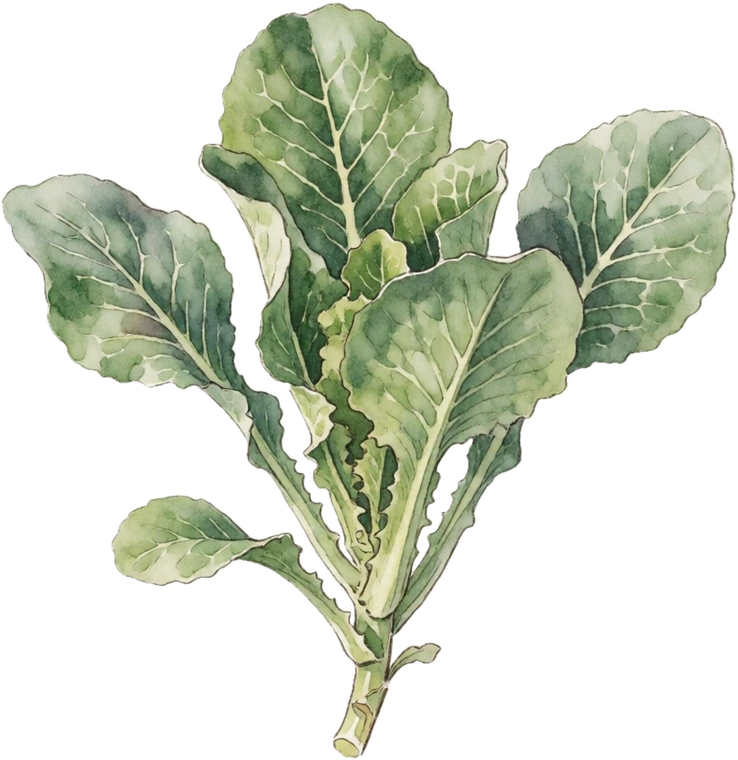
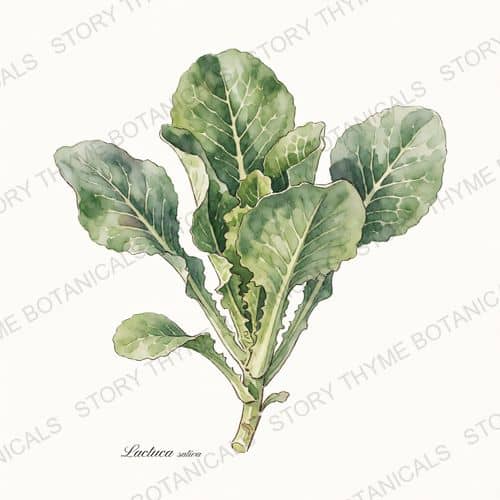
Botanical illustration of Celtuce (Stem Lettuce)
Annual · Lactuca sativa var. augustana

The lettuce you grow for its stem — let it stretch tall, then peel the fibrous skin to reveal a crisp, pale-green core with a mild, refreshing celery-artichoke flavor, wonderful raw in slaws or quick-fried. A prized Chinese vegetable (wo sun) that's an easy novelty in any cool-season bed.

AnnualFull Sun to Part ShadeModerate waterFast growthExcellent edibleNone winter chill

Where to buy the plant — 1 nursery

Lettuce — a print from the Vegetables Vol. 1 collection

From the print shop

Growing celtuce (stem lettuce)? Hang it.

Our Vegetables Vol. 1 collection carries celtuce (stem lettuce)Lactuca sativa, print Nº 16, “Lettuce.”

16 designsfrom $21.99white or black groundmatte poster, unframed

Shop Vegetables Vol. 1 botanical prints →

I

Overview

Will celtuce (stem lettuce) suit your garden, and what goes wrong.

Will it fruit where you are?

Enter your ZIP — we look up your USDA hardiness zone (2023 map) and check it against what celtuce (stem lettuce) actually needs.

Life cycleAnnual
Winter chillNone

Celtuce (Stem Lettuce) at a glance

Life cycleAnnual
Mature size1-2 ft
PollinationN/A
Chill requirementNone (not chill-dependent)
Bloom seasonBolts in heat
Harvest seasonTwo crops: young leaves like lettuce early, then the thick peeled STEM (the prize) — crisp, mild, celery-meets-artichoke, eaten raw or stir-fried
Growth rateFast

Common celtuce (stem lettuce) problems

II

Growing

Light, water, soil, propagation and the season’s jobs.

How to grow celtuce (stem lettuce): light, water & soil

LightFull Sun to Part Shade
WaterModerate, even
SoilRich, moist · pH 6.0 - 7.0
FertilizerLight nitrogen
PruningNone — A lettuce grown for its swollen stem rather than its leaves. Harvest a few young leaves early, then let it 'bolt' into a thick stalk — peel off the bitter skin and the crisp jade core is a delicacy, sliced raw or stir-fried. A cool-season Chinese vegetable.
Spacing10-12 in

How to plant & propagate celtuce (stem lettuce)

Maturity80-90 days
From seedDirect-sow cool-season; grown for the stem
PropagateFrom seed

The celtuce (stem lettuce) growing playbook

Field-tested instructions for every job celtuce (stem lettuce) asks of you, compiled from university extension guidance — in the order the season brings them.

Sowing

Sow the spring crop as early as the soil can be worked

Direct sow a quarter to a half inch deep as soon as the soil is workable, or set out transplants carrying four to six true leaves. Seed germinates best at soil temperatures around 55 to 65 degrees. Do not hold this sowing back waiting for settled warm weather. Celtuce is day length sensitive, and long photoperiods push it into bolting, which in this crop means flowering by stem elongation. Successive plantings made in late spring run into lengthening days and bolt bitter and inedible before the stem ever sizes up, so the earliest sowing is the one that actually makes a crop.

Sow again in late summer for the fall crop

Make a second sowing in late summer, counting back from your first hard freeze so the stalk gets its full days to maturity in cooling weather - check your variety, since celtuce runs anywhere from about 50 to 85 days. In mild-winter regions this same crop can be sown in fall or winter. Celtuce is a cool season crop that wants a mean temperature of about 50 to 60 degrees, and the shortening days of late summer and autumn keep it vegetative so the stem thickens instead of running to flower. Midsummer supplies neither condition, which is why the fall sowing is usually the better crop.

Watering

One to two inches a week, and never let it swing dry

Give 1 to 2 inches of water per week, by drip where you can. The goal is steady soil moisture - do not let the bed cycle between soaked and bone dry, and pay closest attention in the weeks the stem is filling. Fluctuating soil moisture is what makes the stalk tough and stringy and brings on tipburn, and drought stress is one of the reliable triggers that tips a day-length-sensitive plant over into bolting. Celtuce roots are shallow and horizontal, so the top few inches drying out is a real check on growth, not a cosmetic one.

Feeding

Side-dress nitrogen at thinning, or four weeks after transplanting

Side-dress a nitrogen fertilizer such as 21-0-0 at a quarter cup per 10 feet of row - at thinning if you direct sowed, or four weeks after setting out transplants. Place it to the side of the plants rather than over them, and water it in. Repeat the same feed on a late summer sowing. The stalk is a store of what the leaves make, so early leaf growth is what thickens the stem later - a plant that never builds a canopy never builds a stem. Placing the fertilizer beside the row and irrigating it in keeps salt off the foliage and carries it down to the shallow feeder roots that take up nearly all of this plant's water and nutrients.

Thinning

Thin to about 8 inches, and eat the thinnings

Once the seedlings have a few true leaves, thin them to roughly 8 inches apart in the row. Do not throw the thinnings away - young celtuce leaves are tender and good in salad. Keep taking the odd young outer leaf as the plant grows, but stop once the leaves toughen, and never strip the plant. The swollen stalk is the crop and it is built from what the leaves photosynthesize, so the plant needs both room to thicken and its leaf canopy left intact. The leaves are only worth eating while small - as they mature they grow bitter and become inedible, so the salad window and the stem window are two different harvests.

What to watch for

Downy mildew: keep the canopy dry, and act early or not at all

Through cool, wet weather, check leaf undersides for white fluffy growth, usually under pale yellow angular spots on the upper surface. Keep water off the foliage - run drip or a soaker at the base of the plants, let the bed dry between irrigations, and if you must water overhead do it early in the morning so the leaves dry quickly. Hold the spacing open for airflow, and pull and destroy infected plants and end-of-season debris rather than composting them. Resistant cultivars are available and are the easiest win where this disease is chronic. Downy mildew needs cool, moist conditions and foliage that stays wet, so drying the canopy is the control that does the most work in a garden. Fungicides only help preventively or very early in disease development, not as a rescue once leaves are infected - which is why prevention and prompt removal are the plan. Infected debris left in the bed is the spore source that starts the disease again next season.

Scout for aphids twice a week, starting at the edges

Twice weekly, check both the upper and lower leaf surfaces of plants through the planting, beginning along the outside rows where aphids show up first. Hold off spraying until numbers pass roughly 20 aphids per plant. Above that, azadirachtin or insecticidal soap are the organically acceptable materials - soap only kills what it physically wets, so cover the leaf undersides. Green peach aphid does more harm as a virus vector than as a feeder, carrying alfalfa mosaic and beet western yellows into the planting, and infestations start in clusters at the field edge rather than spreading evenly. Catching them on the outside rows is the difference between a spot treatment and a lost crop.

Insecticidal soap can be phytotoxic at higher concentrations - use the lower labeled rate, and follow the label's days-to-harvest interval, since on this crop you are eating the tissue you sprayed. Never spray a plant that has bolted into flower: the blooms draw bees, and by then the stem crop is over anyway.

Harvesting

Cut the stem at 12 to 18 inches, then peel it

Cut the plant when the central stalk stands 12 to 18 inches long, taking it down into the leafy part of the plant. Peel the stem before eating - the soft, translucent green central core is the edible part. If the plant begins to bolt, harvest it at once rather than waiting for more size. Peeling is not optional: the outer edges of the stalk carry a bitter, milky sap, and only the core inside is mild. The whole plant grows more bitter as it matures, so the tender window is narrow and the crop is finished once flowering takes over.

III

The year

What celtuce (stem lettuce) asks for, month by month.

The celtuce (stem lettuce) year, month by month

No fixed season calendar for celtuce (stem lettuce) — its care follows conditions, not the calendar.

IV

Ecology & uses

What it does for the garden, and what it is grown for.

Celtuce (Stem Lettuce) in the garden system

  • Herbaceous layer annual
MoistureFacultative / average
DeerBrowsed — protect young plants
OriginIntroduced

What celtuce (stem lettuce) is grown for

✓ Commonly eaten

UseStir-fry
UseRaw crunch
UseNovelty crop
Edible value4/5

Harvesting & storing celtuce (stem lettuce)

Two crops: young leaves like lettuce early, then the thick peeled STEM (the prize) — crisp, mild, celery-meets-artichoke, eaten raw or stir-fried. About 80-90 days from planting.

Edibility, identification, and traditional-use notes here are general reference — not medical or veterinary advice, and not a claim that any plant treats or prevents anything. Medicinal ratings record how strongly a plant features in herbal tradition, nothing more. Never eat or dose a plant you have not positively identified. More on how to use this library.

V

Cultivars

Named varieties of celtuce (stem lettuce), ruled as a catalogue.

Best celtuce (stem lettuce) varieties & cultivars

4 on file

Named varieties of celtuce (stem lettuce) differ in days to maturity, disease resistance, flavor, and habit — pick one that fits your season and space.

Summer 38 · Summer 38 Celtuce

Listed at 75 to 85 days with pointed, light green leaves, superior stem development during warm weather, slow bolting, and brief tolerance of temperatures to 100 degrees. Sold as an heirloom Chinese stem lettuce.

Where to buy ‘Summer 38

Story Thyme Farms may earn a small commission from these links, at no cost to you — it never changes what we recommend.

Purple Sword · Purple Sword Celtuce

Listed at 75 to 85 days with good tolerance to cold and to cracking, greenish purple leaves over light purple stem skin, best for spring and fall planting. Southern China heirloom.

Where to buy ‘Purple Sword

Story Thyme Farms may earn a small commission from these links, at no cost to you — it never changes what we recommend.

Spring Tower · Spring Tower Celtuce

Listed at 75 to 85 days with good tolerance to heat or cold and slow bolting, broad oval green leaves, grown mainly for the stalk.

Where to buy ‘Spring Tower

Story Thyme Farms may earn a small commission from these links, at no cost to you — it never changes what we recommend.

Green Mountain · Green Mountain Celtuce

Zones4-9SizeJumbo stems that stay crunchy and tender at large size

Refreshing, with notes of cucumber and sweet corn — Listed at 50 days to maturity, USDA zones 4 to 9, 8 inch spacing, quarter inch seed depth, ideal temperature 60 to 80 degrees, frost hardy, sprouts in 7 to 10 days. A southwest China variety the catalog recommends planting in fall about 50 days before first frost.

Where to buy ‘Green Mountain

Story Thyme Farms may earn a small commission from these links, at no cost to you — it never changes what we recommend.

VI

Sources & plant ID

Where the care distinctions come from, and how the plant is filed.

Research basis

Sources behind this profile

No extension citations are attached to celtuce (stem lettuce)yet. The care figures below come from the library's own catalogue rather than a traced primary source.

Plant ID

BinomialLactuca sativa var. augustana
Other namesLactuca sativa (asparagus lettuce, stem lettuce)
FamilyAsteraceae
TypeAnnual
USDA symbolLASA3
OriginIntroduced
Invasive riskLow

VII

Where to buy

Third-party nurseries — not Story Thyme Farms.

Third-party nurseries, not Story Thyme Farms. Prices are theirs.

Story Thyme Farms may earn a small commission from these links, at no cost to you — it never changes what we recommend.

VIII

Questions

Celtuce (Stem Lettuce) questions, answered straight.

Is celtuce (stem lettuce) safe for kids and pets?

Celtuce (Stem Lettuce) is commonly eaten and isn't considered toxic, but "commonly eaten" isn't a guarantee for any particular person or animal — allergies, quantity, and which part you eat all matter. Never eat a plant you haven't positively identified, and check with a vet before letting pets or livestock graze anything new.

When do you harvest celtuce (stem lettuce)?

Two crops: young leaves like lettuce early, then the thick peeled STEM (the prize) — crisp, mild, celery-meets-artichoke, eaten raw or stir-fried. From planting, expect about 80-90 days to maturity.

How do you propagate celtuce (stem lettuce)?

From seed.

IX

Elsewhere

Where celtuce (stem lettuce) sits in the library.

Where celtuce (stem lettuce) sits in the library

Grows in the same world