The illustrated growing guide

Currant

Ribes spp.

Family Grossulariaceae

Est. zones 3-7

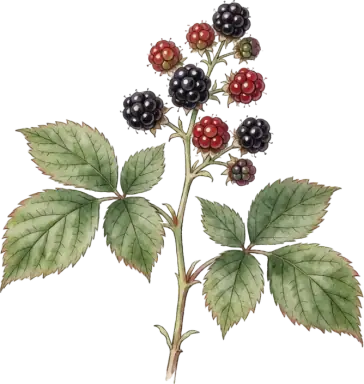
Botanical illustration of Currant
Shrub · Ribes spp.

Black Currant = Intense flavor (Cassis). Clove currant = Fragrant yellow flowers.

ShrubPart ShadeModerate waterModerate growthExcellent edibleAttracts bees800-1200 winter chill (unconfirmed)

Where to buy the plant — 2 nurseries

Gooseberry — a print from the Berry Plants collection

From the print shop

The closest print we make

We don’t print Ribes spp. The closest we have is Ribes uva-crispa (“Gooseberry”) in the Berry Plants collection — the same genus, Ribes, not the same species.

16 designsfrom $21.99white or black groundmatte poster, unframed

Shop Berry Plants botanical prints →

I

Overview

Will currant suit your garden, and what goes wrong.

Will it fruit where you are?

Enter your ZIP — we look up your USDA hardiness zone (2023 map) and check it against what currant actually needs.

Hardy inZones 3-7
Winter chill800-1200
Unconfirmed

Commonly quoted, but we have not traced this range to a university extension trial or another primary source, and published figures for the same plant often disagree. Chill-hour requirements were only ever established by trial for a handful of commercial fruit crops; for most species the work was never funded. Treat it as a starting point and check your local extension office before you plant on it.

PollinationSelf-fertile

Currant at a glance

HardinessUSDA 3–7
Mature size3-5 ft
PollinationSelf-Fertile
Chill requirement800-1200
Unconfirmed

Commonly quoted, but we have not traced this range to a university extension trial or another primary source, and published figures for the same plant often disagree. Chill-hour requirements were only ever established by trial for a handful of commercial fruit crops; for most species the work was never funded. Treat it as a starting point and check your local extension office before you plant on it.

Bloom seasonEarly Spring
Harvest seasonJuly
Growth rateModerate

Common currant problems

II

Growing

Light, water, soil, propagation and the season’s jobs.

How to grow currant: light, water & soil

LightPart Shade (Likes cool soil)
WaterModerate
SoilMoist, Cool, mulch heavy · pH 6.0 - 7.0
FertilizerEarly Spring
PruningLate Winter — Blacks bear on 1-year wood (remove 2+ yr wood). Reds bear on 2-3 yr spurs (remove 4+ yr wood).
Spacing4-5 ft

How to plant & propagate currant

PropagateGrafted, or from cuttings/layering (seed won't come true)

When to spray currant

Dormant season. Dormant Oil: Scale insects. Prune out cane borer damage.

The currant growing playbook

Field-tested instructions for every job currant asks of you, compiled from university extension guidance — in the order the season brings them.

Watering

Keep the water steady until the fruit is picked

Give the bush one to two inches of water a week from fruit set right through until you have harvested. Use drip irrigation or a soaker hose at ground level rather than an overhead sprinkler. The berries do most of their swelling in the weeks just before they ripen, and a dry spell in that window leaves you small, seedy fruit that no later watering will fix. Watering at ground level also keeps the canopy dry, which matters because the leaf spot and mildew fungi need wet foliage to infect.

Mulching

Rake the spotted leaves, then renew the mulch over them

Once the leaves have dropped, rake out and destroy the ones showing brown or purplish spotting, then top the ring back up with a few inches of wood chips, pine needles or compost. Pull the mulch back an inch or two so it is not banked against the canes. Anthracnose overwinters on last year's fallen leaves lying under the bush, and next spring's rain splashes those spores straight back up onto the new foliage. Clearing the worst litter and burying the rest under fresh mulch cuts the inoculum before it can start the cycle over.

Feeding

Feed the bush in spring - currants are heavy nitrogen feeders

Broadcast about a quarter to a third of a pound of 10-10-10 or 12-12-12 per plant on the soil surface each spring, spread out toward the drip line rather than piled against the crown. Well-rotted stable manure works just as well and currants respond strongly to it. Keep young plants on a lighter ration. Currants fruit on one, two and three year old wood, so every year you prune away a share of the bush and the plant has to fund a fresh set of vigorous canes to replace it. Nitrogen is what pays for those canes, and a starved bush quietly stops renewing itself.

Broadcast the fertilizer lightly and keep it off the crown and canes. When setting out a new plant, working stable manure or a balanced fertilizer into the soil beforehand helps it establish.

Pruning

Renew currant canesMar – Apr

Before growth starts, remove old unproductive canes and keep a mix of one two and three-year wood. Currants bear best on younger wood, and open bushes dry faster after rain.

Check local Ribes rules where white pine blister rust restrictions apply.

Currant borer: cut out the wilting canes before the moths fly

While you are pruning in spring, look for canes whose leaves yellow or whose tips wilt and die back rather than leafing out. Cut each of those canes right out at the base and destroy the wood - burn it or bin it, do not chip it into your mulch. Cut sickly canes out as soon as you notice them rather than waiting for next winter. The borer larva spends the winter tunneling the pith inside the cane, and the adult clearwing moth chews its way out in early summer to lay eggs on the neighboring canes. A cane that wilts is telling you a moth is developing inside it, and taking that cane out before the flight breaks the generation.

What to watch for

Mildew and rust: manage by pruning and airflow, not by spraying

Open the bush up: prune for airflow, site it in sun, and cut out infected shoots. Choose resistant cultivars when replanting. Sulfur is labelled on currants for leaf spots and can be used up to the day of harvest, but it is not a mildew material. The extension consensus for Ribes powdery mildew is cultural, not chemical - the fungus is managed by light and air movement rather than a spray programme.

NO LABELLED HOME FUNGICIDE FOUND for powdery mildew or rust on currant. Missouri's homeowner guide - the most currant-specific one available - lists only oil, sulfur (leaf spots) and an aphid insecticide, and no mildew or rust fungicide at all. Myclobutanil (Immunox) does NOT list currant, so it has no legal pre-harvest interval on this crop and should not be used on fruit you intend to eat. Do not apply sulfur within 14 days of an oil spray, or above 85F.

Spraying

Currant aphid: check the leaf undersides as the first leaves unfold

As the buds break and the first leaves open, turn a few of them over and look. If aphids are already feeding, spray insecticidal soap or an ultrafine horticultural oil, aimed up into the undersides of the leaves - that is the only place the spray will reach them. The overwintering eggs hatch just as the first leaves unfold, and the aphids feed underneath and blister and curl the terminal leaves around themselves. Once a leaf has curled shut, no spray gets to the insects inside it, so the open window is genuinely only a few days wide.

Soap and oil only kill what they actually wet, so coverage matters more than dose. Finish this before the flowers open so that nothing is being sprayed while bees are working the blossom.

Imported currantworm: spray only once you can see the larvae

After the petals drop, part the bush and inspect the lowest, innermost leaves. If you find pale-then-greenish larvae with black spots and black heads chewing small holes in the leaf centers and notching the margins, spray spinosad or insecticidal soap. If there are only a few, hand-picking is enough. Look again in June or July for a second generation. This is a sawfly larva, and the female lays her eggs along the midribs on the undersides of the lowest leaves. The brood starts deep in the bush where you do not see it and eats outward, and a heavy first generation can strip a mature bush bare - which costs you next year's fruiting canes as much as this year's crop.

Spinosad is toxic to bees while the spray is still wet, so never apply it while any flowers are still open. Do not spray at all unless you have actually found larvae or fresh feeding damage.

Protection

Watch the frost forecast while the bush is in flower

Currants flower earlier in spring than almost anything else in the fruit garden, so keep an eye on overnight lows once the blossom opens and throw a row cover or old sheet over the bush if a hard frost is forecast. When siting a new plant, stay out of low-lying frost pockets, and keep it off the heat-collecting south side of a building - currants want the cool spot, not the warm one. Blooming that early means the flowers are open while hard frosts are still in play, and cold air pools in low ground exactly when the bush is most exposed. A warm south wall makes it worse by pulling the bloom forward into the risk.

Harvesting

Wait past first color, then pick the whole strig

Red and white currants color up well before they are sweet - the fruit holds well on the bush, so give it two or three more weeks after it turns to build flavor and sweetness. Then snap off the entire cluster by its stem instead of stripping berries off one at a time. A mature bush should give you three to ten pounds, depending on cultivar. Currant skins are thin and tear where the berry joins the strig, and a torn berry bleeds juice and molds within a day. Taking the whole cluster keeps every berry intact, and it is far faster besides.

III

The year

What currant asks for, month by month.

The currant year, month by month

MonthJanFebMarAprMayJunJulAugSepOctNovDec
Bloom
Prune
Harvest

What each band means

  • Bloomflowers open — pollinators working, frost on blossoms is the danger.
  • Pruneshape it now — cuts heal cleanly and structure is visible.
  • Harvestpicking time — check ripeness every few days.

The currant year as text

  • Jan quiet month
  • Feb pruning
  • Mar bloom, pruning
  • Apr bloom
  • May quiet month
  • Jun quiet month
  • Jul harvest
  • Aug quiet month
  • Sep quiet month
  • Oct quiet month
  • Nov quiet month
  • Dec quiet month

These are the species' typical months — expect them a few weeks earlier in warm zones and later in cold ones. Watch the plant, not just the calendar.

IV

Ecology & uses

What it does for the garden, and what it is grown for.

Currant in the garden system

  • Shrub layer shrub
AttractsBees, Birds
MoistureFacultative / average
DeerBrowsed — protect young plants

What currant is grown for

✓ Commonly eaten

UseJelly
UseJuice
UseLiqueur
Edible value4/5

Harvesting & storing currant

July.

Edibility, identification, and traditional-use notes here are general reference — not medical or veterinary advice, and not a claim that any plant treats or prevents anything. Medicinal ratings record how strongly a plant features in herbal tradition, nothing more. Never eat or dose a plant you have not positively identified. More on how to use this library.

V

Cultivars

Named varieties of currant, ruled as a catalogue.

Best currant varieties & cultivars

14 on file

Named varieties of currant differ in winter-chill needs, ripening time, hardiness, and whether they set fruit on their own — pick one that fits your climate.

Red Lake

Self-fertile
Chill800–1400 hrsRipensEarly-mid JulyZones3-7Diseasegood; moderately rust tolerantSize3-5 ft upright shrub

bright, tart red berries for jelly, juice, and fresh use — The most widely sold, dependable red currant and a safe default for US home growers needing no pollinizer.

Where to buy ‘Red Lake

Story Thyme Farms may earn a small commission from these links, at no cost to you — it never changes what we recommend.
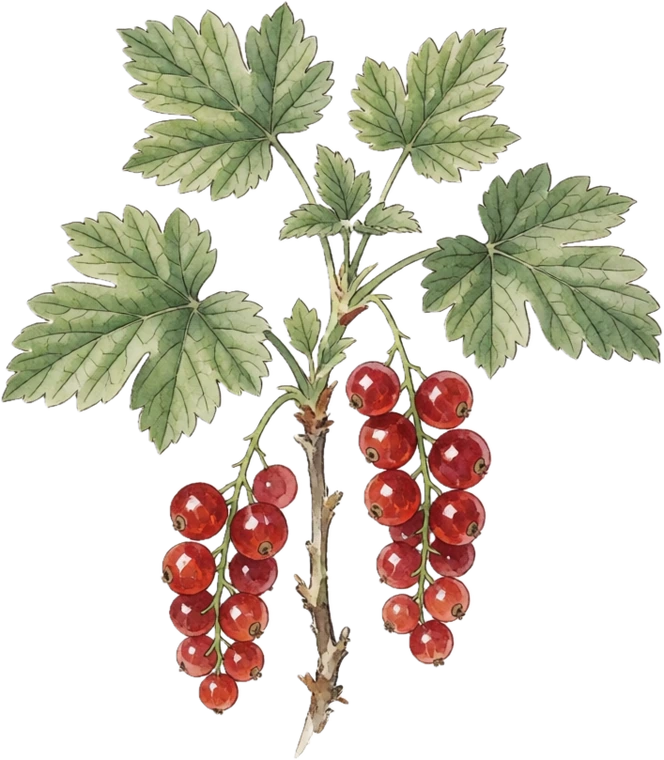
Jonkheer van Tets · Jonkheer Van Tets

Self-fertile
Chill800–1400 hrsRipensLate June-early JulyZones3-7Diseasegood; generally mildew tolerantSize4-5 ft upright shrub

large, glossy, tart red berries in long strigs — One of the earliest-ripening red currants, useful to start the season or spread the harvest.

Where to buy ‘Jonkheer van Tets

Story Thyme Farms may earn a small commission from these links, at no cost to you — it never changes what we recommend.

Rovada

Self-fertile
Chill800–1400 hrsRipensLate JulyZones3-7DiseasegoodSize4-5 ft shrub

large red berries in exceptionally long, easy-to-pick clusters — Very reliable and heavy-cropping, and its late bloom helps it dodge spring frosts.

Where to buy ‘Rovada

Story Thyme Farms may earn a small commission from these links, at no cost to you — it never changes what we recommend.

Pink Champagne

Self-fertile
Chill800–1400 hrsRipensJulyZones3-7DiseasegoodSize3-5 ft shrub

translucent pink berries, sweet and mild for fresh eating — Prized as one of the best-flavored currants for fresh eating, though yields are modest.

Where to buy ‘Pink Champagne

Story Thyme Farms may earn a small commission from these links, at no cost to you — it never changes what we recommend.

Blanka

Self-fertile
Chill800–1400 hrsRipensLate JulyZones3-7DiseasegoodSize4-6 ft vigorous shrub

large, mild, sweet white berries in long clusters — A high-yielding, late-blooming white currant that reliably escapes frost.

Where to buy ‘Blanka

Story Thyme Farms may earn a small commission from these links, at no cost to you — it never changes what we recommend.

Ben Sarek

Partly self-fertile
Chill900–1600 hrsRipensEarly-mid JulyZones3-7Diseaseresistant to mildew; good white pine blister rust resistanceSizecompact, 3-4 ft
Pollinationpartially self-fertile; yields improve with a second black currant

large, rich, aromatic black berries for cordials and jam — A good black currant for small gardens; partially self-fertile, with fruit set improving markedly with a second cultivar nearby.

Where to buy ‘Ben Sarek

Story Thyme Farms may earn a small commission from these links, at no cost to you — it never changes what we recommend.

Titania

Partly self-fertile
Chill900–1600 hrsRipensJulyZones3-7Diseasestrong white pine blister rust resistance; mildew resistantSizevigorous, to 6 ft
Pollinationpartially self-fertile; yields improve with a second black currant

large, high-quality black berries, heavy yields — Vigorous, disease-resistant, and productive; only about 44% self-fertile in trials, so plant a second black currant for maximum fruit set.

Where to buy ‘Titania

Story Thyme Farms may earn a small commission from these links, at no cost to you — it never changes what we recommend.
Crusader

Needs a pollinizer
Chill900–1600 hrsRipensMid JulyZones3-7Diseaseimmune to white pine blister rustSize5-6 ft shrub
Pollinationself-sterile; needs another black currant cultivar (e.g. Consort) as a pollinizer

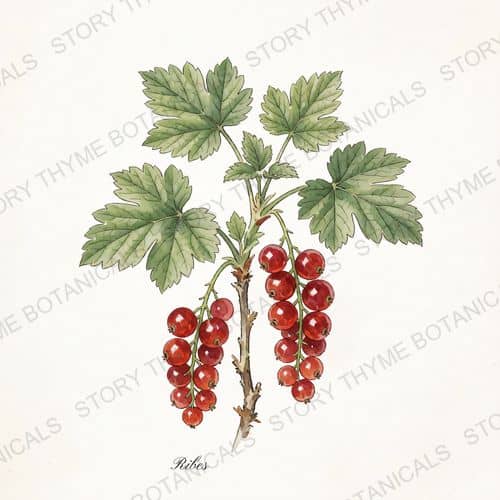
black berries of fair dessert quality, good for processing — Rust-immune Canadian cultivar (a Ribes nigrum x R. ussuriense hybrid) that is self-sterile, so it must be paired with a compatible black currant to set fruit.

Where to buy ‘Crusader

Story Thyme Farms may earn a small commission from these links, at no cost to you — it never changes what we recommend.

Consort

Self-fertile
RipensJune-JulyZones4-8Diseaseimmune to white pine blister rust; fairly resistant to most Ribes pestsSize3-6 ft in height and width

sweet-tart black berries with an earthy, musky depth — Ohio State lists Consort among the black currants immune or highly resistant to white pine blister rust, so it is one of the cultivars permitted where Ribes nigrum is otherwise restricted. In Ohio State's Ribes trial it was the top yielder at 2,924 lb per acre with 13.1 Brix. A Ribes nigrum x R. ussuriense hybrid.

Where to buy ‘Consort

Story Thyme Farms may earn a small commission from these links, at no cost to you — it never changes what we recommend.

Willoughby

Zones3-8Diseaseimmune or highly resistant to white pine blister rustSize3-4 ft tall and 4-6 ft wide

good-quality black berries on a productive bush — Ohio State names Willoughby among the black currants immune or highly resistant to white pine blister rust, alongside Consort, Crusader, Coronet, Lowes Auslese, Polar and Titania. Plant lust records it at USDA 3a-8b and 3-4 ft tall by 4-6 ft wide.

Where to buy ‘Willoughby

Story Thyme Farms may earn a small commission from these links, at no cost to you — it never changes what we recommend.

Wilder

Self-fertile
Chill800–1000 hrsRipensLate June-early JulyZones3-8Size3-6 ft tall and wide, vigorous

very flavorful red berries in large clusters — An old American red currant established in Indiana in 1877, recommended by both Utah State and Colorado State extension; Colorado State singles it out for its larger clusters. Its berries ripen over a long stretch rather than all at once.

Where to buy ‘Wilder

Story Thyme Farms may earn a small commission from these links, at no cost to you — it never changes what we recommend.

Cascade

Zones3-8Sizeto about 5 ft tall

large berries of excellent sweet flavor — UMass names Cascade among the red currant cultivars grown in the Northeast, alongside Detvan, Jonkheer van Tets, Red Lake, Rovada and Tatran. Plant lust records it at USDA 3a-8b.

Where to buy ‘Cascade

Story Thyme Farms may earn a small commission from these links, at no cost to you — it never changes what we recommend.

Primus

RipensJune-JulyZones3-8Diseasefairly resistant to most Ribes pests; not a white pine blister rust host of concernSize3-6 ft in height and width

very sweet, translucent white berries, high in vitamin C — UMass lists Primus as one of the white currant alternatives to Blanka, along with White Imperial. Being a white currant rather than a black one, it sits outside the blister rust restrictions that follow Ribes nigrum in some states.

Where to buy ‘Primus

Story Thyme Farms may earn a small commission from these links, at no cost to you — it never changes what we recommend.

White Imperial · Imperial White

Self-fertile
Zones3-7Size4-5 ft tall and wide

delicately sweet, translucent pale berries — UMass names White Imperial as one of the two common white currant alternatives to Blanka. Raintree lists it as cold hardy to USDA zone 3 at -40F and reliably self-fruitful; the upper zone limit here follows the species range rather than a cultivar-specific figure.

Where to buy ‘White Imperial

Story Thyme Farms may earn a small commission from these links, at no cost to you — it never changes what we recommend.

VI

Sources & plant ID

Where the care distinctions come from, and how the plant is filed.

Research basis

Sources behind this profile

No extension citations are attached to currantyet. The care figures below come from the library's own catalogue rather than a traced primary source.

Plant ID

BinomialRibes spp.
FamilyGrossulariaceae
TypeShrub · Perennial
USDA symbolRIBES
Invasive riskLow

VII

Where to buy

Third-party nurseries — not Story Thyme Farms.

Third-party nurseries, not Story Thyme Farms. Prices are theirs.

Story Thyme Farms may earn a small commission from these links, at no cost to you — it never changes what we recommend.

VIII

Questions

Currant questions, answered straight.

Do I need two currant plants to get fruit?

No — currant is self-fertile, so a single plant will set a crop. A second one usually improves yields, but it isn't required.

Will currant fruit in a warm-winter climate?

Currant needs roughly 800-1200 hours of winter chill (hours between 32–45°F) to break dormancy and set fruit. That range is commonly quoted but we have not traced it to a university extension trial, and published figures for this plant disagree — treat it as a starting point and check your local extension office. Mild-winter growers should count their chill hours before planting.

Is currant safe for kids and pets?

Currant is commonly eaten and isn't considered toxic, but "commonly eaten" isn't a guarantee for any particular person or animal — allergies, quantity, and which part you eat all matter. Never eat a plant you haven't positively identified, and check with a vet before letting pets or livestock graze anything new.

When do you harvest currant?

July.

IX

Elsewhere

Where currant sits in the library.

Where currant sits in the library

Grows in the same world