Endive & Escarole

Cichorium endivia

Family Asteraceae

Annual annualZones 2-11

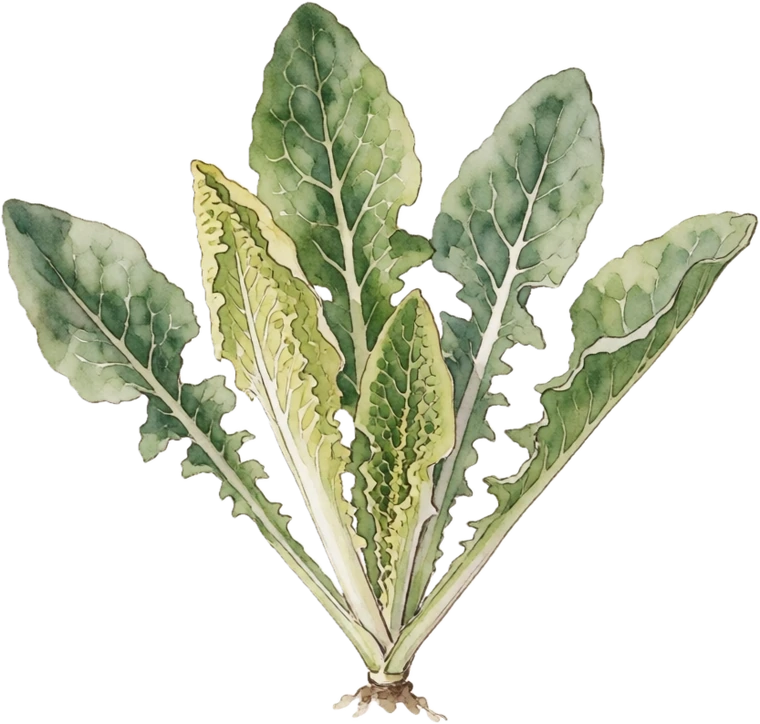
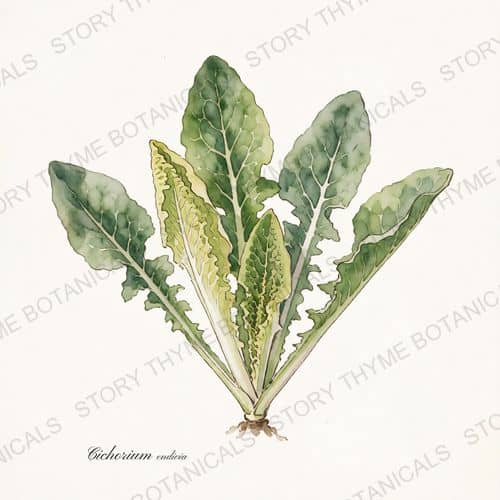
Botanical illustration of Endive & Escarole

One species, two bistro staples: curly endive brings the frilly, bittersweet frisée that makes a salad with warm bacon dressing sing, while broad-leaved escarole is the soul of Italian wedding soup and garlicky sautés. Both are chicories with their edges softened — bitterness as seasoning, not punishment.

They're reliable, hardy fall greens that stand cool weather gracefully, and an old trick — tying the head shut for a couple of weeks — blanches the heart sweet, pale, and buttery. Salad from one sowing, soup from the next. Set aside a fall bed and eat like a bistro.

Where to buy the plant — 1 nursery

  • Full Sun to Part Shade
  • Moderate water
  • Moderate growth
  • Excellent edible
  • None winter chill
Endive & Escarole — a print from the Plant Library collection

From the print shop

Growing endive & escarole? Hang it.

Our Plant Library collection carries endive & escarole — Cichorium endivia, print Nº 171, “Endive & Escarole.”

526 designsfrom $12.99white or black backgroundmatte poster, unframed

Shop Plant Library botanical prints →

✓

Will it fruit where you are?

Enter your ZIP — we look up your USDA hardiness zone (2023 map) and check it against what endive & escarole actually needs.

Life cycleAnnual
Winter chillNone

Endive & Escarole · Common problems

Common endive & escarole problems

Pests, diseases and weather to keep an eye on.

Pests

2 problems on file

Diseases

1 problem on file

  • Almost none

Endive & Escarole · Growing & propagation

Growing endive & escarole

Light, water, soil, propagation and the season’s jobs.
What it needsThe details
Light
Full Sun to Part Shade
Water
Moderate, even
Soil
Rich, moist · pH 6.0 - 7.0
Fertilizer
Light nitrogen
Pruning
None

A cool-season leafy chicory, milder than radicchio. Tie up or cover the center for two weeks before harvest to blanch it pale and mild (the classic frisée heart). Fall crops are far sweeter than heat-stressed spring ones.

Spacing
10-12 in

How to plant & propagate endive & escarole

Maturity
85-100 days
From seed
Sow midsummer for fall

Blanch the heart

Propagate
From seed

Endive & Escarole · Seasonal care & spray guidance

The endive & escarole growing playbook

Field-tested instructions for every job endive & escarole asks of you, compiled from university extension guidance — in the order the season brings them.

As growth begins

early spring

2 jobs
SowingIn spring

Spring crop: start indoors and set it out early

Sow 1/4 inch deep in a container of sterile mix about six weeks before you intend to set plants out, and space the seedlings 1 1/2 to 2 inches apart in a flat while they are still under an inch high. Transplant when they are 2 1/2 to 3 inches tall into rows 18 to 24 inches apart, plants 9 to 12 inches apart, and water in with a starter fertilizer solution. Endive and escarole do not thrive in hot conditions; they want mean growing temperatures between 60 and 70 degrees and a uniform supply of moisture. A spring crop only pays if it reaches full size before summer heat arrives, which is exactly what the starter solution is for - a fast start and a mature plant before the heat.

ThinningIn spring

Thin direct-sown stands to a foot apart

When direct-sown seedlings reach about an inch high, thin or transplant them to 9 to 12 inches apart in rows 18 to 24 inches apart. Seed goes in 2 to 4 inches apart precisely so you can thin to the strongest plants rather than hoping every seed takes. This crop is blanched once its leaves have spread far enough to touch the next plant, so the spacing decides both how big a rosette you get and when the head is ready to tie. A crowded stand never builds the broad, deep heart that blanching is meant to produce.

Through summer

the growing season

1 job
WateringIn summer

Water frequently once the weather turns hot

Water frequently through hot months and keep the supply even rather than letting the bed swing between soaked and dry. Water the soil at the base of the plants and try to keep the bed surface itself from staying wet. These are cool-season plants that want a uniform supply of moisture and mean temperatures of 60 to 70 degrees, and they do not thrive under heat. A spring crop caught by summer heat with an irregular water supply is the usual way this crop is lost.

Harvest time

as it ripens, and picking

3 jobs
What to watch forBefore harvest

Lettuce drop: watch for whole plants wilting and collapsing

As the heads near full size, look for older leaves wilting and then the entire plant wilting and collapsing at the base, unharvestable. Collect and remove infected plants - it is time consuming but it genuinely reduces the inoculum. Do not plant endive or escarole into ground that has just grown beans, cauliflower, celery, corn salad, fennel, pepper, radicchio or tomato. Endive and escarole are named crop hosts of lettuce drop, caused by Sclerotinia minor and Sclerotinia sclerotiorum. The fungus persists in the soil, so growing host crop after host crop in the same bed builds the reservoir that infects the next planting at the base of the plant.

ProtectionBefore harvest

Blanch the heart two to three weeks before you cut

Once the leaves have spread far enough to touch the next plant, gather the outermost leaves up over the center and tie them, or cover each plant with a container to exclude light. Allow two to three weeks. You can blanch several plants at once, so stagger them and you will not get every head at the same moment. Keeping sunlight off the center leaves reduces their green colour, and it is that loss of chlorophyll that takes out the bitterness and improves texture and flavour. Left unblanched, the spreading plants are likely to be bitter.

HarvestingAt harvest

Cut at ground level once the heart has blanched, then chill it fast

After the blanched heads have developed, cut the plants at ground level and discard the tough outer leaves. Cut without waiting if the weather turns very hot or a hard freeze is expected. Wash, drip dry and bag; getting the heads down near 32F within an hour or two of cutting and holding them at 95 to 100 percent humidity buys two to three weeks of shelf life. Endive is very hardy and will withstand frost, so the harvest can run into early winter - but the crop is nearly all leaf and has a large leaf area, so it is very susceptible to moisture loss and wilts and yellows quickly once cut. Cold and humidity are what stop that.

After harvest

autumn, and putting it to bed

1 job
SowingIn autumn

Fall crop: direct sow - this is the better crop

Direct sow 1/4 inch deep in rows 18 to 24 inches apart, timed so the heads size up as the weather cools rather than in summer heat. Thin to 9 to 12 inches apart once the seedlings are about an inch high; the extras lift and transplant well enough to fill gaps. These grow well in spring and better in the fall. Heads that mature into cooling weather are milder and far less likely to bolt, and endive is very hardy and will withstand frost, so a fall sowing keeps giving harvest through early winter rather than ending at the first cold night.

Endive & Escarole · Calculators & field guides

A little help in the garden.

Calculators for the figures. Field guides for the hands-on work.

Endive & Escarole · Yearly calendar

The endive & escarole year, month by month

What endive & escarole asks for, month by month.

Jan

No calendar activity is listed for this month.

MonthJanFebMarAprMayJunJulAugSepOctNovDec
Harvest

HarvestSeptember to November

What each band means

  • Harvest — picking time — check ripeness every few days.

These are the species' typical months — expect them a few weeks earlier in warm zones and later in cold ones. Watch the plant, not just the calendar.

Endive & Escarole · Ecology & uses

Ecology & uses

What it does for the garden, and what it is grown for.
Botanical illustration of Endive & Escarole

Cichorium endivia

Endive & Escarole in the garden system

  • Herbaceous layer annual
Moisture
Facultative / average
Deer
Browsed

Protect young plants

Origin
Introduced

What endive & escarole is grown for

✓ Commonly eaten

Use
Salads (frisée)
Use
Soups (escarole)
Use
Fall greens
Edible value
4/5

Harvesting & storing endive & escarole

Fall (best): frilly curly endive (frisée) or broad-leaved escarole; blanch the center for milder hearts. About 85-100 days from planting.

Edibility, identification, and traditional-use notes here are general reference — not medical or veterinary advice, and not a claim that any plant treats or prevents anything. Medicinal ratings record how strongly a plant features in herbal tradition, nothing more. Never eat or dose a plant you have not positively identified. More on how to use this library.

Endive & Escarole · Varieties & cultivars

Best endive & escarole varieties & cultivars

There are far more than these — the ones below are the named varieties of endive & escarole people actually plant.

Named varieties of endive & escarole differ in days to maturity, disease resistance, flavor, and habit — pick one that fits your season and space.

7 varieties

Full Heart Batavian

Zones
2-11

Creamy yellow blanched heart — Escarole type. Upright plant with broad outer leaves and smooth, closely bunched center leaves that blanch creamy yellow.

Where to buy ‘Full Heart Batavian’

Story Thyme Farms may earn a small commission from these links, at no cost to you — it never changes what we recommend.

Sources & plant identity

Know what you’re growing.
See where the knowledge comes from.

Botanical illustration of Endive & Escarole

Endive & Escarole

Cichorium endivia

The plant, at a glance.

Botanical name
Cichorium endivia
Plant family
Asteraceae
Growth habit
Annual
Origin
Introduced
USDA plant symbol
CIEN
Invasive risk
Low
Every garden is different.

Hardiness, size and timing vary with your cultivar, soil and climate.

Rooted in research.

University extension research, brought together with hands-on growing experience at Story Thyme Farms.

Explore Endive & Escarole’s sources4 reference links
for Endive & Escarole

Research from these sources

Publisher marks identify sources, not sponsorship or endorsement.

Where to buy

Third-party nurseries — not Story Thyme Farms.

Third-party nurseries, not Story Thyme Farms. Prices are theirs.

Story Thyme Farms may earn a small commission from these links, at no cost to you — it never changes what we recommend.

Questions

Endive & Escarole questions, answered straight.

Is endive & escarole safe for kids and pets?

Endive & Escarole is commonly eaten and isn't considered toxic, but "commonly eaten" isn't a guarantee for any particular person or animal — allergies, quantity, and which part you eat all matter. Never eat a plant you haven't positively identified, and check with a vet before letting pets or livestock graze anything new.

When do you harvest endive & escarole?

Fall (best): frilly curly endive (frisée) or broad-leaved escarole; blanch the center for milder hearts. From planting, expect about 85-100 days to maturity.

How do you propagate endive & escarole?

From seed.

Elsewhere

Where endive & escarole sits in the library.

Where endive & escarole sits in the library

Grows in the same world